

Affiliate disclosure: some links are affiliate links — as an Amazon Associate we earn from qualifying purchases, at no extra cost to you. Full disclosure.
A working carbon monoxide detector is recommended in any room where a fuel-burning heater runs, regardless of the heater’s own safety rating. Here are three real, verified options depending on your setup.
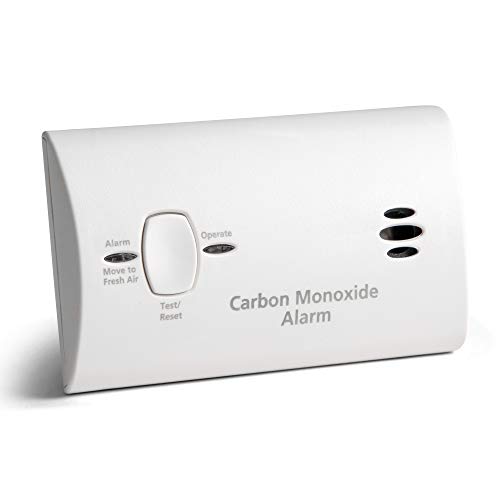
Best for A space without a nearby outlet — garage, workshop, tent or RV
- Battery-powered, no outlet needed
- 85 dB alarm
- LED status indicators
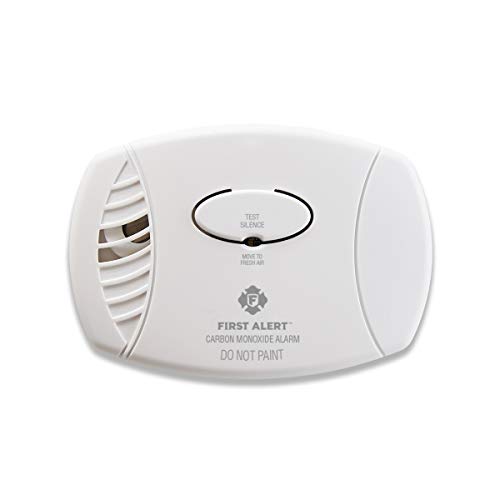
Best for A permanent location near an outlet, with battery backup for outages
- Plug-in convenience
- Battery backup included
- Fixed indoor placement

Best for Standard household rooms that want smoke and CO coverage in one unit
- Combined smoke and CO detection
- Battery-powered
- Single-unit simplicity

Battery-Powered vs. Plug-In
A battery-powered detector doesn’t need an outlet. That matters in a garage, workshop, tent or RV without easy access to wiring. A plug-in model suits a fixed indoor spot near an outlet instead. It adds battery backup for power outages, without the hassle of swapping batteries as often.
Combo Smoke/CO Units
A combination smoke and carbon monoxide detector covers both hazards in one unit. That simplifies coverage for a standard bedroom, hallway or living room. It’s generally built for typical household placement, not a garage or workshop. A dedicated CO-only unit is usually the better fit there.
Where to Actually Place One
Buying the right detector is only half the job. Our detector placement guide covers the CPSC distance guidance most people get backward — keeping a detector close enough to a bedroom but far enough from the heater itself to avoid nuisance alarms.
Testing and Replacement
Test any detector using its built-in test button on the schedule the manufacturer specifies. Most detectors have a limited service life, commonly several years, printed as a manufacture or replacement date on the unit. Replace the whole detector at that point even if it still seems to work, since the sensing element degrades with age.
How Many Do You Actually Need?
General guidance calls for at least one detector per level of a home, plus one near each sleeping area. If a heater runs regularly in a separate room like a garage or workshop, that room benefits from its own additional detector rather than relying on the whole-home minimum alone.
Battery Life and Sealed Units
Standard battery-powered detectors need a periodic battery check, commonly twice a year. A sealed 7 or 10-year unit removes that step entirely. The battery lasts the unit’s full service life. You replace the whole detector at the end, not just the battery. This suits anyone who wants one less thing to remember each season.
UL 2034 Listing: What It Actually Certifies
Look for a UL 2034 listing on any carbon monoxide detector you buy. This is the recognized safety standard for home CO alarms. It sets rules for how fast a unit must sound at different CO levels. Higher, more dangerous levels get a faster alarm. Lower levels allow a slower response, so brief harmless spikes don’t trigger false alarms. A detector without this listing hasn’t been tested against that rule. That matters for a device meant to wake you up.
Sensor Types: Electrochemical vs. Metal Oxide
Most quality home CO detectors, including the picks above, use an electrochemical sensor. It reacts chemically with CO gas and produces a small electrical signal. That signal scales with how much CO is present. Independent tests have generally found this sensor type performs more reliably than older metal-oxide designs. Check for it in the specs if you’re comparing options beyond the three above. The sensor type affects both accuracy and how long the unit lasts before it needs replacing.
Common Buying Mistakes
The most common mistake is buying only one detector for a home with a propane heater running in a separate space, like a garage. Owners often assume the whole-home minimum already covers that space. It doesn’t. A second mistake is ignoring the printed replacement date on a unit bought online, where stock can sit in a warehouse before it ships. Check that date at purchase, not just at installation. A third mistake is choosing a combo smoke/CO alarm for a garage or workshop. Smoke detection isn’t the priority there, so a dedicated CO-only unit is usually the better fit.
What These Picks Have in Common
All three options above are real, verified products with a confirmed listing and image through the Amazon Creators API. None claim a star rating or review count on this page, since that data isn’t part of a compliant product feed. Judge them on their specifications and your own setup, not on a rating pulled from an unrelated source.
A Detector Is Not Optional With Any Heater
Every fuel-burning heater can produce carbon monoxide if it malfunctions or runs in a poorly ventilated space. This is true regardless of a heater’s indoor-safe rating or brand reputation. A detector is the backstop for a failure the other safety features weren’t designed to catch, which is why it belongs in the setup budget alongside the heater itself, not as an afterthought.
Budgeting for a Detector From the Start
A carbon monoxide detector costs a small fraction of most portable heaters, which makes it an easy line item to add to a first-time purchase rather than an afterthought bought weeks later. Buying both together also means the detector is in place from the very first use, rather than during a gap where the heater runs without one while you get around to ordering it separately.
A Quick Buying Checklist
- Battery-powered if you need it in a garage, tent, or anywhere without an outlet.
- Plug-in with battery backup if it has a fixed indoor spot near an outlet.
- Combo smoke/CO if it’s going in a standard bedroom or living room already needing smoke coverage.
- Check the printed replacement date on any unit before buying, since a detector sitting on a shelf for years before sale is a real (if uncommon) risk.
Pairing With a Portable Heater on the Road
For anyone taking a portable heater camping or on a job site regularly, a compact battery unit that survives being packed alongside other gear is worth prioritizing over one designed purely for a fixed household spot. Durability and portability matter more in that context than the extra features a premium fixed-location unit might offer.
One Detector Per Heater Setup, Minimum
If you own more than one propane heater used in different locations, plan on a detector for each active setup rather than moving a single unit between spaces. A detector left behind because it was moved to the last location you used it is a gap in coverage exactly when you need it most. Buying a dedicated unit for each setup costs little next to that risk, and it removes the temptation to skip bringing one along on a shorter trip where it feels unnecessary. A short trip is exactly when people are most likely to skip a safety step, which is precisely when a fixed, dedicated detector for that setup earns its keep.