
Affiliate disclosure: some links are affiliate links — as an Amazon Associate we earn from qualifying purchases, at no extra cost to you. Full disclosure.
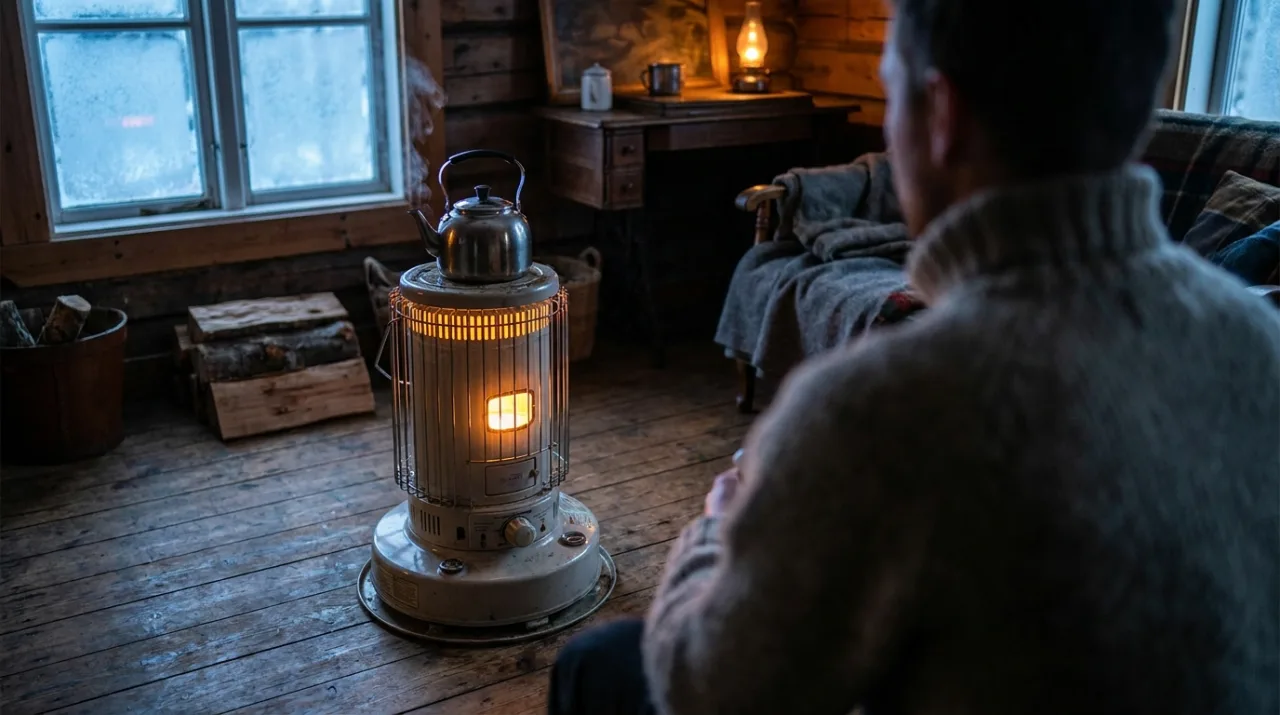
A kerosene heater is a fuel-burning heater that runs on liquid kerosene rather than compressed propane gas, and it solves the same basic problem — supplemental heat without a fixed furnace connection — through a different mechanism. Kerosene heaters remain popular specifically where propane exchange is less convenient or where buyers prefer kerosene's fuel economics for sustained heating. If you're weighing a kerosene heater against a propane one, this page covers what's genuinely different about the fuel and the heaters built around it.
Top 3 Recommended
Is a Kerosene Heater Safe Indoors? Indoor Use, Ventilation, Carbon Monoxide and Odor
Convection-style kerosene heaters, including many wick models, are commonly rated for indoor use, but "kerosene heater" isn't automatically synonymous with "indoor-safe" any more than "propane heater" is — always check the specific model's rating. Like any fuel-burning indoor heater, kerosene units require ventilation guidance to be followed even when indoor-rated, and a battery-backed carbon monoxide detector (CO detector) is recommended in any room where one runs. Reputable kerosene heaters carry a UL safety certification. The CPSC and OSHA both publish general guidance on carbon monoxide risk from fuel-burning heating equipment, and it applies to kerosene as much as propane. Kerosene combustion produces a distinct odor that most propane heaters don't, which some buyers find more noticeable, especially during lighting and extinguishing.
1-K Kerosene vs. K-1 Fuel: What's the Difference?
1-K kerosene — sometimes labeled K-1 fuel on the pump or container, the two names refer to the same grade — is a specifically refined, low-sulfur grade of kerosene intended for indoor heater use, distinct from lower grades sold for other purposes like lamp oil or off-road equipment fuel. Using anything other than 1-K kerosene in an indoor-rated heater can produce more soot, a stronger odor, and potentially unsafe combustion byproducts, since the heater's burner is calibrated for 1-K's specific properties. Always check the fuel grade requirement in your heater's manual and buy 1-K kerosene specifically, sold at most hardware stores and some gas stations, rather than assuming any kerosene-labeled fuel is interchangeable.
Wick Maintenance and Wick Replacement: The Most Common Kerosene Heater Issue
Wick-style kerosene heaters draw fuel up a cotton or fiberglass wick to the burner, and the wick is the component most responsible for both performance and common complaints. A wick that's burned unevenly, become saturated with old fuel residue, or simply reached the end of its service life produces a weaker flame, excess smoking, or difficulty lighting. Manufacturers publish specific wick replacement intervals and trimming instructions, and following them — rather than running a heater on a degraded wick — resolves most of the ongoing performance complaints associated with this heater type.
Why Kerosene Heaters Smoke
Excessive smoking from a kerosene heater usually traces back to one of three causes: a wick trimmed unevenly or at the wrong height, fuel that isn't 1-K grade or has degraded from age or contamination, or a burner assembly that needs cleaning. A small amount of smoke or odor during the first few minutes of lighting and again when extinguishing is normal for most kerosene heaters; persistent smoking during steady operation is not and should be addressed by checking the wick and fuel quality before assuming the heater itself has failed.
Sizing a Kerosene Heater by BTU
Kerosene heaters follow similar BTU-per-square-foot logic to propane heaters, though kerosene generally delivers more BTU per dollar of fuel, which is one of its practical advantages. A model like the Sengoku HeatMate 10,000 BTU or the similarly rated Kero World 10,000 BTU Wick Heater suits a room in the 200–300 square feet range using the same general 20–30 BTU-per-square-foot guidance used across this site. For a larger space, the Comfort Glow 23,800 BTU Convection Heater covers considerably more area. See our BTU sizing guide for the general math.
Finding Kerosene Fuel Locally
1-K kerosene is sold at most hardware stores, some gas stations (often at a dedicated pump separate from vehicle fuel), and heating fuel suppliers, though availability varies more by region than propane does — propane exchange and refill points are more universally common than kerosene retailers in many areas. Buyers in regions where kerosene is less common should confirm reliable local availability before committing to a kerosene heater as a primary supplemental heat source, since running out of fuel with no nearby resupply option is a more practical concern with kerosene than with widely available propane.
Kerosene vs. Propane Comparison: Which Fuel Is Better?
This kerosene vs. propane comparison comes down to regional availability more than a universal answer. Neither fuel is universally better — the choice depends on regional availability, cost, and personal tolerance for each fuel's characteristics. Kerosene generally offers more BTU output per dollar spent on fuel and burns slightly longer per gallon-equivalent than propane, but it has a stronger, more noticeable odor that some people find unpleasant, and 1-K kerosene isn't as universally available as propane exchange. Propane heaters, particularly the indoor-safe radiant category covered elsewhere on this site, have a larger selection of well-reviewed models and a more standardized fuel supply chain. Our indoor propane heater guide covers the propane side of this comparison in depth.
Convection Heater vs. Radiant Kerosene Heater
Kerosene heaters split into two main design categories, similar to the propane category but with different terminology. Convection kerosene heaters use a circular wick and burner design that warms the surrounding air and circulates it through natural convection, generally suited to warming a whole room evenly. Radiant kerosene heaters focus heat output more directionally, similar to a propane radiant heater, and suit warming a specific area or person rather than an entire room. Most kerosene heaters sold for home supplemental heat fall into the convection category, since whole-room heating is the more common use case for this heater type. Buyers choosing between the two should think about the same question that applies across every heater category on this site: are you warming a room, or warming yourself in one spot within it?
Kerosene Heater Fuel Tank Capacity and Run Time
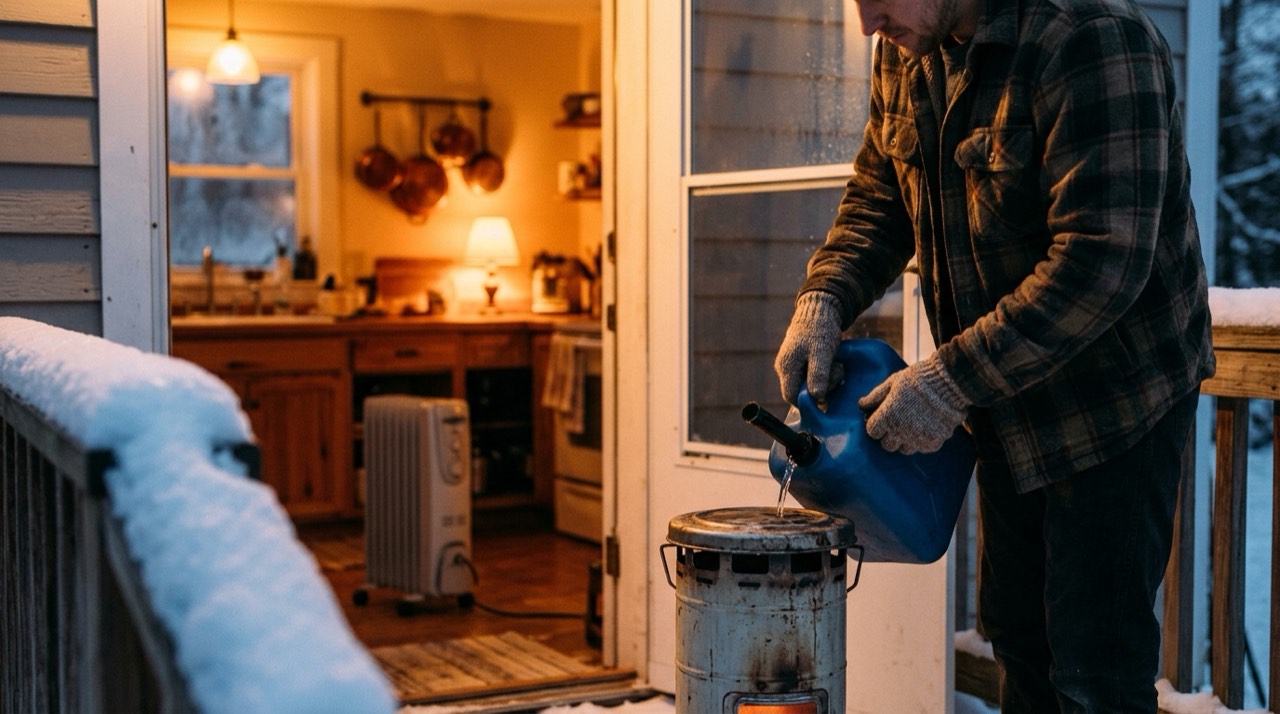
Kerosene heaters typically hold their fuel in a removable or built-in tank rated in gallons rather than pounds, and run time depends on both tank capacity and BTU output setting. A heater with a 1-gallon tank running at a moderate setting commonly lasts in the range of 12–14 hours, though this varies by specific model and BTU rating — always check the manufacturer's published run-time figures for your exact heater rather than assuming a generic number applies. Refilling mid-use requires the heater to cool first in most models, which is worth planning around for anyone using a kerosene heater through a long, cold overnight period. Larger-capacity tanks extend run time proportionally but add weight and bulk, a tradeoff similar to choosing a bigger propane tank over a smaller, more portable one.
Cost Comparison: Kerosene vs. Propane Per Hour of Heat
Because kerosene and propane are priced and sold in different units — kerosene by the gallon, propane by the pound or tank exchange — a direct dollar comparison depends heavily on current local pricing for each fuel, which fluctuates independently. As a general pattern reported across heating-cost comparisons, kerosene has historically offered a lower cost per BTU than propane in many regions, though this gap narrows or reverses depending on regional supply and current market prices for both fuels. Checking current local pricing for both, rather than relying on a general industry reputation, is the only reliable way to know which is actually cheaper where you live at a given time.
Wick Types: Cotton Wick vs. Fiberglass Wick
Most wick-style kerosene heaters use a cotton wick or a fiberglass wick, and the material affects both burn quality and replacement interval — a cotton wick is the more traditional and widely available option, while fiberglass wicks are often marketed as longer-lasting.
Fuel Gauge: Checking Remaining Fuel
A built-in fuel gauge lets you check remaining fuel without opening the tank, worth checking for on any model you're considering.
Refilling With a Siphon Pump to Avoid Kerosene Smell
Refilling from a larger kerosene container is easiest with a siphon pump rather than pouring directly, which cuts spill risk and the kerosene smell that comes with getting fuel on your hands or the heater's housing.
Other Brands and Clean Burn: Dyna-Glo, Dura Heat, Toyotomi and CSA
Beyond Sengoku, Kero World and Comfort Glow, Dyna-Glo, Dura Heat and the premium Toyotomi line all sell CSA-listed kerosene heaters worth cross-shopping, with Toyotomi in particular known for a reliable clean burn at higher price points.
Tip-Over Shut-Off and Automatic Shut-Off: Check for Both
Most models pair a tip-over shut-off with an automatic shut-off that extinguishes the flame if the unit is knocked over or tips past a set angle — check for both features rather than assuming either one covers the other.
Ignition Systems: Match-Lit vs. Battery Ignition
Kerosene heaters use one of two ignition approaches: a manual match- or lighter-based ignition, common on simpler and often less expensive models, or battery ignition — a battery-powered electric igniter that lights the wick at the push of a button. Battery-powered ignition is more convenient but adds a component that can fail independently of the heater itself — a dead battery on an electric-ignition model can leave you unable to light the heater even with plenty of fuel and a good wick, whereas a match-lit model has no such dependency. Keeping spare batteries on hand for an electric-ignition kerosene heater is a simple precaution worth taking before you actually need the heat.
Indoor Kerosene Heater Placement
Like any indoor fuel-burning heater, placement matters for both safety and performance. Kerosene heaters should sit on a stable, level, non-flammable surface, clear of curtains, furniture and foot traffic per the specific model's clearance requirements. Placing a kerosene heater near a doorway or in a central location, rather than a corner, generally distributes convection heat more evenly through a room, similar to how a propane forced-air heater's placement affects whole-room heating. Avoid placing any kerosene heater directly on carpet unless the manual explicitly permits it, since heat and any fuel spillage risk can affect flooring differently than a hard surface.
Kerosene Heater Maintenance Schedule
Beyond wick care, kerosene heaters benefit from periodic cleaning of the burner assembly to remove soot buildup, checking the fuel tank and gauge for leaks or damage, and inspecting the ignition mechanism — most wick heaters use either a manual match-lighting approach or a battery-powered igniter that needs periodic battery replacement. Draining old fuel before long-term storage prevents the kind of degraded-fuel smoking and odor issues that show up when a heater sits unused with old kerosene through an off-season, and it's worth doing even if the heater seems to have plenty of fuel remaining at the end of a season. A heater brought out of storage each fall with fresh fuel and a properly trimmed wick consistently outperforms one left with last season's leftover kerosene.
What Owners Report About Kerosene Heaters
Owner reviews of kerosene heaters consistently emphasize two things: heat output relative to price, and the odor and maintenance tradeoffs that come with the fuel type. Buyers who prioritize raw BTU-per-dollar and don't mind kerosene's smell tend to be very satisfied long-term, particularly in regions where kerosene is affordable and easy to find. The most common source of dissatisfaction traces back to skipped wick maintenance rather than a design flaw — owners who follow the manufacturer's wick-care schedule report far fewer smoking and ignition complaints than those who don't.
Kerosene Heater Safety Certifications
Reputable kerosene heaters carry safety certifications from recognized testing organizations, confirming the specific model has been independently tested against relevant standards for combustion, tip-over protection and other hazards. A certification applies to the specific model tested, not the brand as a whole, so check the exact unit rather than assuming based on manufacturer reputation — this applies whether buying new or considering a used heater from a secondhand market.
Transitioning From Kerosene to Propane (or Back)
Some buyers who've relied on kerosene heaters for years consider switching to propane, usually driven by wanting to avoid the odor or simplify fuel logistics with propane's more standardized exchange network. The tradeoff runs the other way too: buyers in regions where kerosene remains notably cheaper than propane sometimes make the opposite switch. Neither fuel type is objectively superior across every situation — the right choice depends on your specific region's fuel pricing and availability, plus your own tolerance for kerosene's distinct odor versus propane's need for tank swaps or hose-and-filter setups. There's no requirement to pick one fuel exclusively, either — some households keep a kerosene heater for backup or cost reasons alongside a propane unit used more regularly.


