

Affiliate disclosure: some links are affiliate links — as an Amazon Associate we earn from qualifying purchases, at no extra cost to you. Full disclosure.
Mr. Heater 30,000 BTU Vent Free Radiant Propane Heater
A permanently installed, indoor-safe radiant propane heater with an oxygen depletion sensor that shuts the unit off automatically if oxygen drops too low.
Best for: A room needing supplemental propane heat with automatic safety monitoring
- ODS shuts the heater off automatically before oxygen drops to an unsafe level
- No fuel odor once running, aside from a brief smell at first light
- Standardized, widely available fuel supply
- Needs a propane tank or cylinder on hand
- Ventilation guidance still applies despite the ODS
- Higher upfront cost than an entry-level kerosene heater
Kero World 10,000 BTU Kerosene Wick Heater
A convection-style kerosene heater with a visible wick and glass burner, rated for indoor use but relying on manual wick monitoring rather than an automatic oxygen sensor.
Best for: A budget-conscious buyer with reliable local kerosene access
- Often more BTU output per dollar of fuel than propane
- Simple mechanical design with a visible flame to monitor
- Long-standing category with well-documented maintenance routines
- No automatic oxygen depletion sensor — safety relies on the user
- Distinct fuel odor most owners notice, especially at lighting and extinguishing
- Kerosene availability varies by region, unlike propane exchange
Spec-by-spec comparison
| Factor | Mr. Heater 30,000 BTU Vent Free Radiant Propane Heater | Kero World 10,000 BTU Kerosene Wick Heater |
|---|---|---|
| Automatic shutoff safety | Oxygen depletion sensor (ODS) | None standard — manual wick monitoring |
| Indoor odor | Minimal, aside from initial lighting | Noticeable, especially at lighting/extinguishing |
| BTU output | 30,000 BTU | 10,000 BTU |
| Fuel | Propane (cylinder or tank) | Liquid kerosene (1-K grade) |
| Fuel availability | Standardized, widely available | Varies by region |
| Ignition | Piezo/electric spark | Manual wick lighting |
Both fuels can be used indoors safely when the specific heater is rated for it. But the two "indoor-safe" systems work in different ways. That difference matters more than most buyers realize until they’re actually shopping.
| Product | Best for | Buy |
|---|---|---|
| Mr. Heater 30,000 BTU Vent Free Radiant Propane Heater | Best for automatic indoor safety | Check Price |
| Kero World 10,000 BTU Kerosene Wick Heater with Glass Burner System | Best budget pick where kerosene is available | Check Price |
Top 3 Recommended
The Real Safety Difference: Automatic vs. Manual Monitoring
Every legitimate indoor-safe propane heater includes an oxygen depletion sensor, or ODS. It’s a pilot-mounted sensor that checks the room’s oxygen level nonstop. If oxygen drops too low, it shuts the heater off automatically. This safeguard works whether or not anyone in the room is paying attention. Kerosene heaters generally skip this step. Instead, safe use depends on the owner noticing warning signs — a change in flame color, a stronger smell, visible soot — and reacting by hand. Neither fuel is unsafe when used correctly. But the propane ODS takes human error out of the equation in a way kerosene’s manual system doesn’t.
Odor: A Real, Documented Difference
Kerosene combustion has a distinct smell. Most owners notice it, especially when lighting or putting out the heater. This shows up again and again in aggregated kerosene heater reviews. It isn’t a defect — it’s just how the fuel burns. Propane heaters produce little to no lasting odor once running. Some models do give off a brief smell the first time they’re lit each season. If smell bothers you, or you’re heating a bedroom where lingering odor matters, this is a real difference between the two fuels. It isn’t a brand-specific quirk.
What "Indoor-Safe" Actually Requires for Each Fuel
For propane, indoor-safe means two things: ODS-equipped, and rated for indoor or enclosed-space use on the actual spec sheet. Check both — don’t assume based on brand or price. For kerosene, indoor-safe usually means a convection or radiant design built and rated for that use. The same basic ventilation rule applies to both fuels: crack a window or door during extended use. Never run either heater in a genuinely sealed room with no airflow at all.
Cost and Availability Considerations


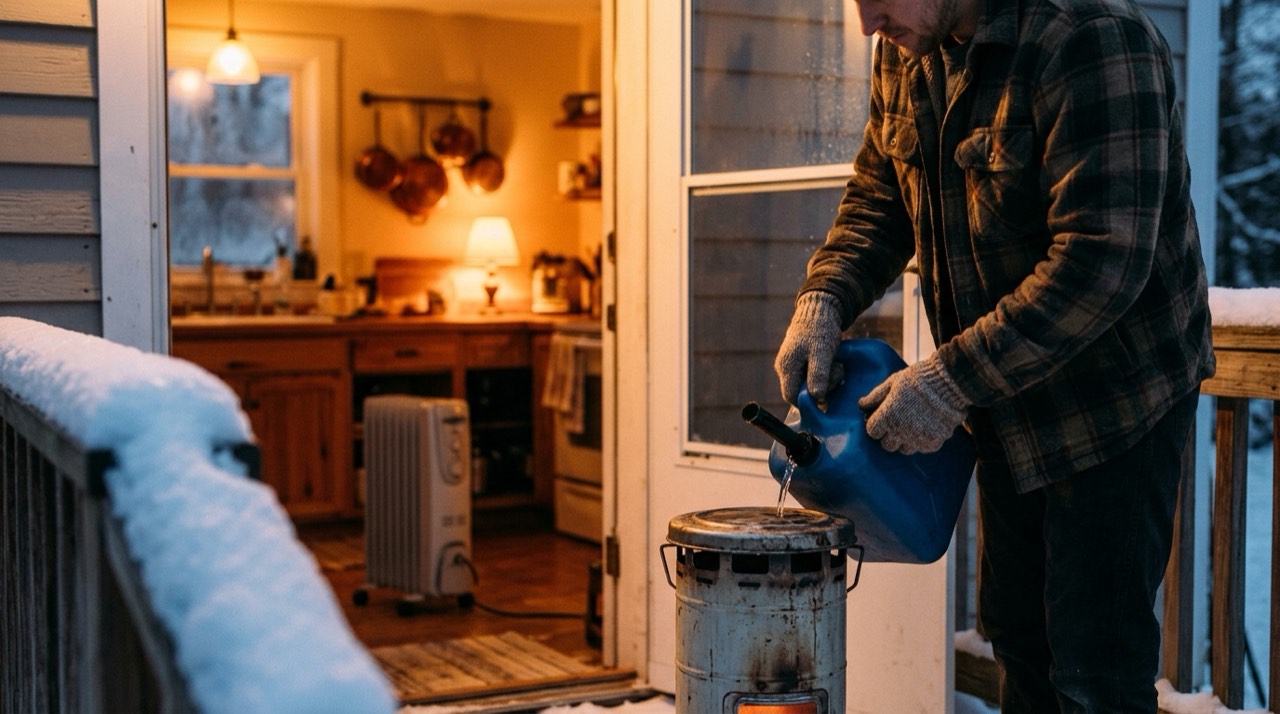
Kerosene usually delivers more heat per dollar of fuel than propane. That’s a real advantage if you’re running a heater as your main supplemental heat source all season. Propane has the edge on availability, though. Exchange and refill points are common almost everywhere. 1-K kerosene supply varies a lot more by region. Before buying a kerosene heater for indoor use, confirm you have reliable local kerosene access. Running out of fuel with nowhere nearby to buy more is a bigger risk with kerosene than with widely available propane.
Winner by Use Case
Bedroom or a space where you’ll be asleep nearby: propane. The ODS gives automatic protection that doesn’t depend on you staying alert to warning signs.
Workshop or garage with active supervision: either works well. Kerosene’s lower fuel cost becomes more attractive for hours of continuous, supervised use.
Odor-sensitive household: propane. Kerosene’s smell is a consistent, well-documented trait of the fuel.
Region with limited or unreliable kerosene supply: propane. Its exchange network is far more consistent.
Budget-first buyer with confirmed local kerosene access: kerosene. The fuel-cost advantage is real for regular, sustained use.
Pick Propane If…
- You want an automatic safety backstop instead of relying on manual monitoring.
- Odor sensitivity matters in the space you’re heating.
- You want the more standardized, widely available fuel supply.
Pick Kerosene If…
- You have confirmed, reliable local access to 1-K kerosene fuel.
- Lower cost per BTU matters more to you than automatic oxygen monitoring.
- You’re comfortable actively watching flame color and following manual safety steps.
A Detector Is Non-Negotiable Either Way
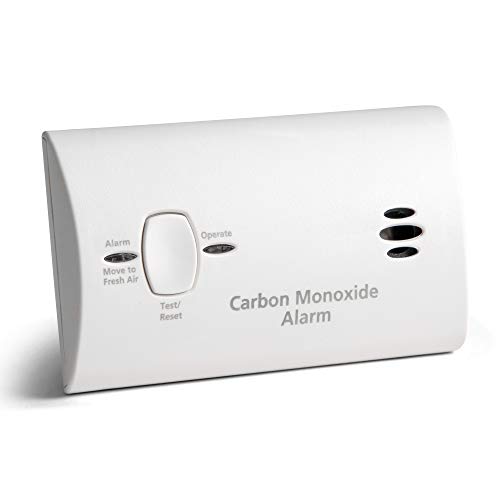
Whichever fuel you pick, put a battery-backed carbon monoxide detector in the same room. Manufacturers and safety agencies recommend this across the board for any fuel-burning indoor heater. It doesn’t depend on the heater’s own safety system working correctly — propane or kerosene. And it’s cheap relative to the heater itself.
Read the Full Reviews and Guides
For complete specs and owner-reported detail, see our full Mr. Heater 30,000 BTU Vent Free Radiant Heater review and our full Kero World Kerosene Heater review. For the broader fuel-cost and availability comparison, see our kerosene heater guide. For the full mechanical explanation of ventless propane safety, see our ventless vs. vented indoor heaters explainer.