
Affiliate disclosure: some links are affiliate links — as an Amazon Associate we earn from qualifying purchases, at no extra cost to you. Full disclosure.
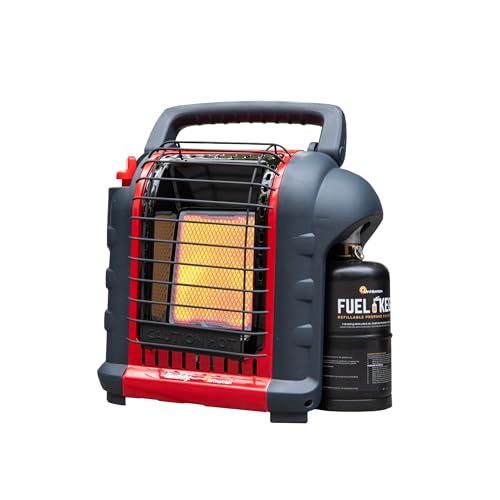
Sengoku is one of the older, established names in kerosene heating. The HeatMate HMN-110 is its compact convection model. It runs on a cotton wick, not a forced-air burner. It needs no electricity at all. Its one job is steady, radiant heat from a small footprint. All it needs is a tank of kerosene and a push-button igniter. That makes it a different category of heater from the propane models reviewed elsewhere on this site. No cylinder. No regulator. Just a fuel tank you fill by hand.
Top 3 Recommended
Who It’s For
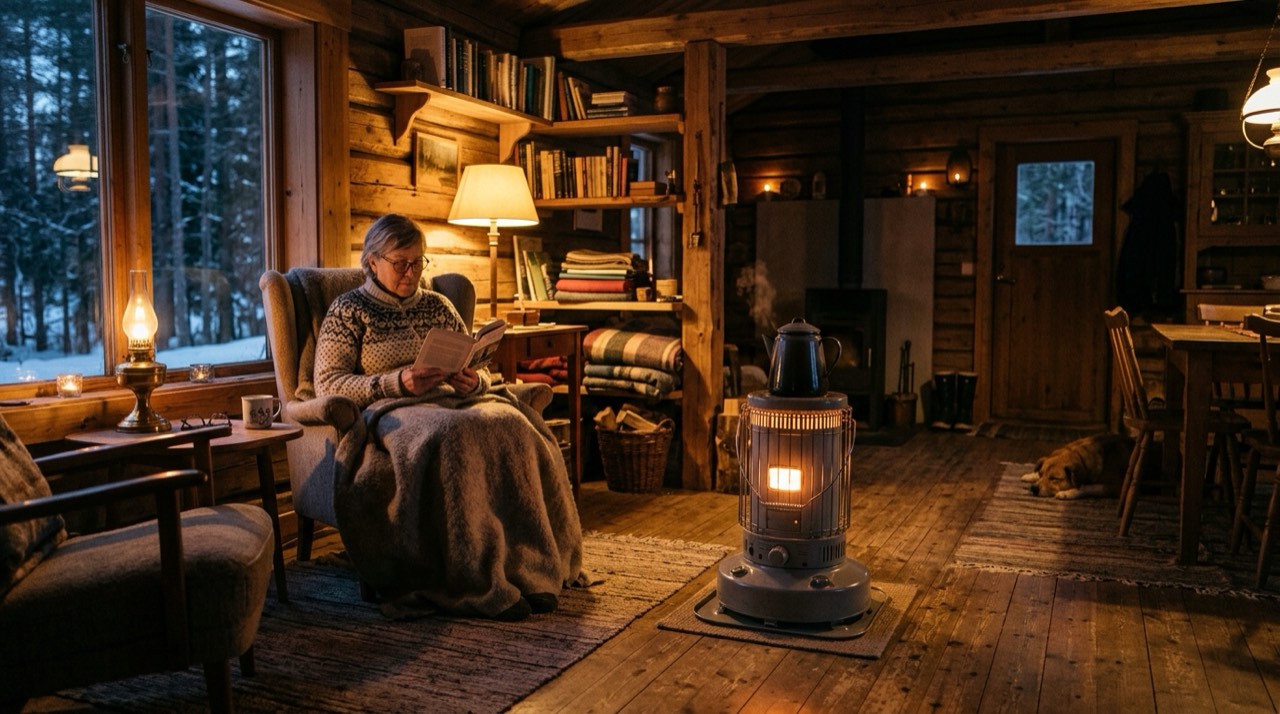
This heater fits a garage, workshop, cabin or basement up to roughly 400 sq ft. It’s a common pick for power-outage preparedness. That’s because it needs no electricity to run at all. Anyone without a nearby propane supply is a good fit for this heater. So is anyone who wants a fuel type that stores well long-term in a sealed container. It’s not the right choice if you want instant on-off convenience. A wick heater needs a few minutes to light. It also needs a cooldown period before refueling. A propane heater’s piezo start is much faster.
What Makes a Wick Heater Different
A wick heater works differently than the forced-air and radiant propane heaters reviewed elsewhere on this site. A cotton wick draws kerosene up from the tank by capillary action. The flame burns evenly along the top of the wick. There is no fan and no blower. Heat radiates outward and rises by natural convection instead. This design has no moving parts beyond the wick-height adjuster. That’s a real advantage for long-term reliability. It’s also why the heater needs no power cord or battery of any kind.
Full Specs
| Spec | Detail |
|---|---|
| BTU output | 10,000 BTU |
| Coverage | Up to 400 sq ft |
| Fuel | 1-K kerosene only; 1.2 gal removable tank |
| Runtime | Up to 14 hours per full tank |
| Ignition | Push-button, no electricity or matches required |
| Safety | Automatic safety shut-off, tip-over switch |
| Power source | None needed — fully cordless operation |
Source: manufacturer specifications for the Sengoku HeatMate HMN-110, cross-checked against the Amazon product listing and independent retailer spec sheets (Ace Hardware).
What Owners Praise
The single most-mentioned feature is that it needs no electricity at all. Owners who bought it for power-outage preparedness say this is the whole point. A propane or electric heater is one more thing that can fail when the grid goes down. This one keeps running on stored fuel alone. The 14-hour runtime per tank also draws steady praise. That means an overnight burn without refueling for most users. The push-button ignition comes up often too. Owners compare it favorably to older kerosene heaters that needed a match held to the wick.
Owners also like the compact size and side carry handle. It’s easy to move between a garage, a shed and a cabin as needed. It doesn’t stay bolted to one spot like a bigger unit might.
What Owners Report as Drawbacks
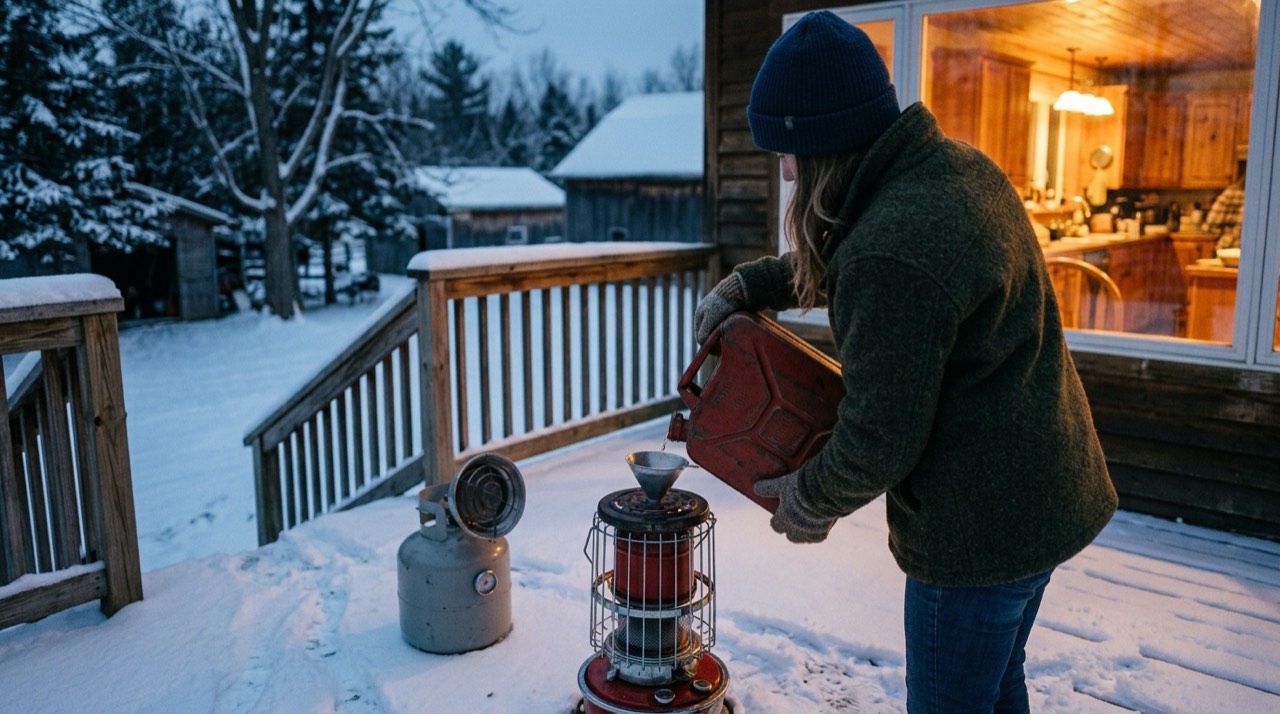
The most common complaint is a kerosene smell during lighting and shutdown. Owners describe it as brief but noticeable. That’s a known trait of wick-style heaters generally, not a defect in this specific model. A second theme is wick maintenance. The wick needs periodic trimming, and eventual replacement, to keep the flame even. That’s ordinary upkeep for this heater type. It still surprises first-time buyers used to maintenance-free propane units. A smaller group of owners say fuel quality matters more than expected. Anything other than clean 1-K kerosene noticeably increases odor and soot. That matches the manufacturer’s own fuel guidance.
Pros & Cons
Pros
- Needs no electricity or propane — runs on stored kerosene alone
- Up to 14 hours of runtime per 1.2 gal tank fill
- Push-button ignition, no matches or lighter required
- Compact and genuinely portable with a built-in carry handle
Cons
- Brief kerosene odor during lighting and shutdown is normal for this heater type
- Wick needs periodic trimming and eventual replacement
- Requires 1-K kerosene specifically — the wrong fuel grade increases soot and odor
- Needs a cooldown period before refueling, unlike an instant-swap propane cylinder
Maintenance and Storage
Trim the wick evenly before each heating season starts. Replace it once it gets charred or uneven. Don’t wait until it stops lighting reliably. Drain any leftover kerosene from the tank before long-term summer storage. Old fuel degrades and can gum up the wick over time. Wipe down the outer housing regularly. Check that the tip-over switch engages properly by gently tilting the unit. Store spare 1-K kerosene in an approved, sealed container away from heat sources. Never use gasoline or a lower fuel grade as a substitute. That’s the single most common cause of avoidable soot and odor complaints in aggregated owner feedback.
How It Compares
Against the propane radiant heaters reviewed elsewhere on this site, the HeatMate trades instant-on convenience for a different kind of independence. Its fuel stores indefinitely in a sealed container. It needs no cylinder exchange at all. Against other kerosene convection heaters, its 400 sq ft coverage and 14-hour runtime sit in the middle of the pack. Larger models like the Dyna-Glo RMC-95C6B cover more space at a higher BTU tier. This one favors a smaller, more portable footprint instead.
Setting Up for the First Use
Fill the tank with fresh 1-K kerosene before the first lighting, never a partial or unknown fuel. Let a brand-new wick soak for about 30 minutes before the first light. This lets it absorb fuel fully and burn evenly from the start. Set the wick to the manufacturer’s recommended height for the first burn. Adjust from there once you see how it performs in your specific space. A slow, even blue flame is the sign of a correctly set wick and clean fuel.
Indoor Use and Ventilation
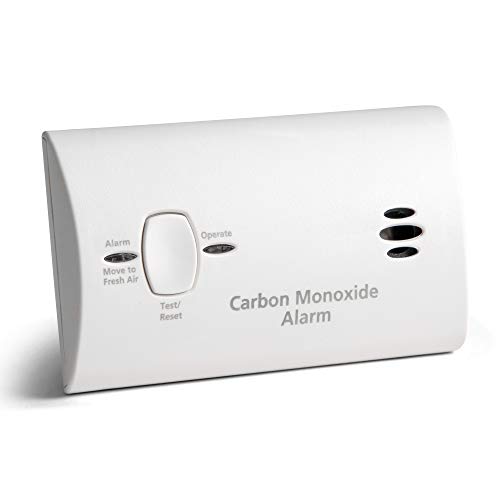
Like any fuel-burning heater, kerosene combustion produces carbon monoxide. The CPSC recommends a battery-backed carbon monoxide detector in any room where a kerosene heater runs. It also recommends a source of fresh air, such as a cracked window. Confirm the unit’s indoor rating on its manual before relying on it in an enclosed room. Never run it in a bedroom while sleeping without adequate ventilation. See our kerosene heater indoor safety guide for the full checklist.
Verdict
For anyone who wants heat that doesn’t depend on the power grid or a propane supply chain, the Sengoku HeatMate is a solid, well-established choice. Its coverage and runtime are reasonable for its size and price. The tradeoffs are real: periodic wick maintenance, a brief odor at lighting, and a cooldown period before refueling. But those come with wick-style kerosene heating generally. They aren’t specific flaws in this model. Anyone who wants a fuss-free, instant-on heater is better served by a propane radiant model instead.

Best for Garages, workshops and cabins up to 400 sq ft during a power outage
Related Products
See our full kerosene heater guide for how this compares across the category, or our kerosene fuel type guide before your first fill-up. Pair it with these: