

Affiliate disclosure: some links are affiliate links — as an Amazon Associate we earn from qualifying purchases, at no extra cost to you. Full disclosure.
Dura Heat DFA80T 80K BTU Kerosene Forced Air Heater
A high-output forced-air kerosene heater with a carrying handle, built for job sites, garages and construction spaces up to roughly 1,800 sq ft.
Best for: A construction site or large garage needing fast, high-volume heat
- Very high BTU output for its size and price
- Simple, portable design — carry it anywhere and refuel from a tank
- No installation or wiring beyond filling the fuel tank
- Open-flame, ventilated-use-only design, same as a propane forced-air heater
- Kerosene’s distinct odor is noticeable during operation
- Not built for unattended overnight use
HCALORY Toolbox 2 Diesel Air Heater (12V, App Control)
A compact, self-contained diesel air heater built into a toolbox-style housing, designed for truck beds, small campers and trailers rather than open job-site heating.
Best for: A truck, small camper or trailer needing installed, hands-off heat
- Sealed combustion vents exhaust outside the space entirely
- App control and a compact, self-contained housing
- Built for extended, largely unattended operation
- Needs a 12V power source to run
- Lower peak BTU output than the kerosene forced-air unit
- Some installation and mounting still required despite the compact housing
Spec-by-spec comparison
| Factor | Dura Heat DFA80T 80K BTU Kerosene Forced Air Heater | HCALORY Toolbox 2 Diesel Air Heater (12V, App Control) |
|---|---|---|
| Combustion design | Open flame, ventilated-use-only | Sealed, exhaust vented outside |
| Output | 80,000 BTU | Approx. 27,000 BTU (8KW) |
| Power requirement | None — fuel only | 12V DC |
| Fuel | Kerosene (1-K grade) | Diesel |
| Best setting | Open job site, garage, construction space | Truck bed, small camper, trailer |
| Installation | None — fill and run | Mounting and 12V wiring |
Kerosene and diesel heaters overlap in purpose but solve genuinely different problems. One is a portable, high-output job-site heater you carry and refuel by hand. The other is a compact, sealed unit built into a vehicle or trailer for hands-off heat.
| Product | Best for | Buy |
|---|---|---|
| Dura Heat DFA80T 80K BTU Kero Forced Air Heater with Carrying Handle | Highest output for job sites | Check Price |
| HCALORY 12V Portable Diesel Heater, Toolbox 2 Diesel Air Heater 8KW | Best for a truck or trailer | Check Price |

Top 3 Recommended
Open Flame vs. Sealed Combustion
The Dura Heat kerosene unit burns fuel in an open, forced-air design. That’s the same basic approach as a propane forced-air heater, just running on kerosene instead. It needs the same kind of active ventilation and shouldn’t run in a sealed space. The HCALORY diesel unit works differently. It burns fuel in a sealed chamber and vents exhaust entirely outside through its own routing. That’s closer in design to a van’s diesel parking heater than to a job-site torpedo heater. This one distinction drives most of the practical differences between the two.
Output and Portability
At 80,000 BTU, the Dura Heat puts out roughly three times the heat of the HCALORY’s 8KW rating, or about 27,000 BTU. It’s also genuinely portable. Carry it to the job, connect a fuel tank, and it’s running. The HCALORY is built into a compact toolbox-style housing instead. It’s meant to mount in one place, like a truck bed or trailer, rather than move between locations during a workday. If raw heat output for an open space is the priority, the kerosene unit wins clearly. If a compact, semi-permanent install in a vehicle is the goal, the HCALORY’s form factor fits that job better.
Power and Installation Requirements
The kerosene heater needs no electrical power at all. Fill the tank and light it. The diesel unit needs a 12V power source to run its fan and control system, plus some mounting work even in its compact housing. For a job site without reliable power, that’s a real advantage for the kerosene unit. For a vehicle or trailer that already has a 12V system, the diesel unit’s power requirement is a non-issue.
Where Propane Fits Into This Comparison


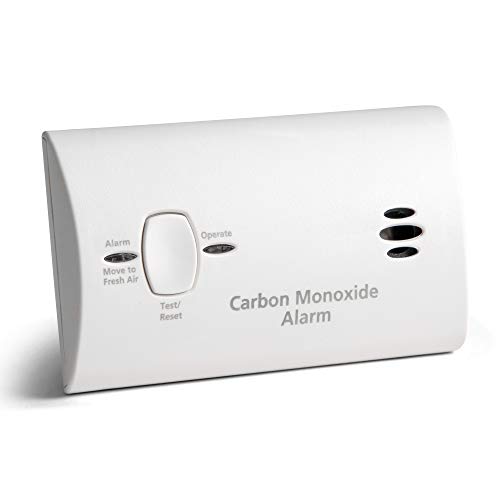


Both of these are liquid-fuel alternatives to the propane heaters this site covers primarily. It’s worth noting where propane fits for the same jobs. For open job-site or garage heating, a propane forced-air heater — covered in our garage and workshop heater guide — offers the same plug-and-play simplicity as the kerosene unit, with a more standardized fuel supply. For vehicle heating, a portable propane radiant heater is a simpler, non-installed alternative to either liquid fuel option, covered in our RV and off-grid heater guide. Neither kerosene nor diesel is a strict upgrade over propane. Each fuel has situations where it makes more sense.
Fuel Cost and Availability
Kerosene is sold at most hardware stores and some gas stations, though availability varies more by region than diesel does. Diesel is widely available anywhere vehicles refuel, which is a real advantage if you’re already running a diesel truck or van and want to draw from the same supply chain. Neither fuel is universally cheaper — check current local pricing for both before assuming one wins on cost in your area.
Winner by Use Case
Open construction site or large garage: kerosene forced-air — higher output and no power requirement suit open-space heating.
Truck bed, small camper or trailer: diesel — the compact, sealed housing fits a vehicle installation better than an open-flame forced-air unit.
No reliable electrical power on site: kerosene — runs on fuel alone with no 12V requirement.
Want hands-off, semi-permanent heat: diesel — sealed combustion and app control suit less-attended operation.
Tight budget, occasional job-site use: kerosene — typically the lower upfront cost of the two.
Pick the Kerosene Forced-Air Heater If…
- You need high BTU output for an open job site or large garage.
- There’s no reliable electrical power source where you’re working.
- Portability between locations matters more than a permanent installation.
Pick the Diesel Heater If…
- You want a compact, sealed unit built into a truck, camper or trailer.
- You already have a 12V power source available.
- Hands-off, extended operation matters more than raw output.
Read the Full Reviews
For complete specs and owner-reported detail, see our full Dura Heat DFA80T review and our full HCALORY Toolbox 2 Diesel Heater review. See also our kerosene heater guide and diesel heater guide for each fuel type’s fuller comparison against propane.