
Affiliate disclosure: some links are affiliate links — as an Amazon Associate we earn from qualifying purchases, at no extra cost to you. Full disclosure.
The DFA80T is a fundamentally different type of kerosene heater from the wick-style convection models reviewed elsewhere in this hub. It’s a forced-air unit: an electric blower pushes air across a kerosene-fueled combustion chamber and out through the front, the same basic design used across job-site and construction heaters. That means it needs an electrical outlet to run the blower and ignition, unlike a purely non-electric wick heater, but it delivers far more heat — 80,000 BTU — and can run on multiple fuel types beyond kerosene.
Top 3 Recommended
Who It’s For
This heater fits a job site, a large garage, a construction space or a barn. It’s the right size where 80,000 BTU of forced heat genuinely gets used. It also needs an electrical outlet nearby to run the blower. It’s overkill for a single room. The wick-style Kero World or Dyna-Glo convection heaters reviewed elsewhere in this hub are better sized. They don’t need electricity either. This is the right pick for anyone who already runs a similar propane forced-air heater and wants a multi-fuel alternative. It’s also right for anyone heating a genuinely large, uninsulated space.
What "Forced Air" Means Here
A forced-air heater works differently than a wick-style convection heater. An electric blower pulls air through the unit and pushes it out past the burner flame. That’s what moves heat across a room quickly, rather than letting it rise slowly on its own. The tradeoff is real. The blower needs power to run at all. No outlet means no heat, no matter how much fuel is in the tank. That’s the opposite of a non-electric wick heater, which runs on fuel alone with no cord required.
Full Specs
| Spec | Detail |
|---|---|
| BTU output | 80,000 BTU |
| Coverage | Up to 1,800 sq ft (manufacturer rating) |
| Fuel | K-1 kerosene, #1/#2 fuel oil, diesel, JP-8, Jet-A (multi-fuel) |
| Fuel tank | 5 gal |
| Runtime | Approx. 8.5 hours per full tank (approx. 0.58 gal/hr consumption) |
| Power required | Electric blower and ignition (approx. 1,500 W draw) |
| Controls | Thermostat, LED temperature readout, electronic ignition |
Source: Dura Heat DFA80T manufacturer specifications, cross-checked against independent industrial supplier listings (Action Industrial Supply).
What Owners Praise
Multi-fuel flexibility is the standout feature. Owners mention running it on whatever fuel is on hand: diesel, kerosene or fuel oil. That’s a real advantage for job-site use, where fuel sourcing isn’t always predictable. The thermostat and LED temperature readout also draw consistent praise. The heater cycles on and off automatically instead of running at full output nonstop. Owners say that noticeably stretches a tank of fuel. The carrying handle and overall build get called genuinely job-site durable too. It’s built to be moved between locations regularly, not to stay bolted in one spot.
What Owners Report as Drawbacks
The most common complaint is the need for a nearby electrical outlet. Some owners don’t fully register that from the "portable" framing common to this heater category. Without power, the blower and ignition don’t function at all. A second theme is noise. Forced-air heaters at this output level run a genuinely loud blower. Owners call that a normal tradeoff for the heat output. It’s still worth planning around in a space where noise matters. A smaller group of owners mention the diesel exhaust smell. It’s more noticeable than with a straight kerosene fill. That tracks with the multi-fuel design. It isn’t a sign of a defect.
Pros & Cons
Pros
- 80,000 BTU output covers large job sites and garages
- Multi-fuel: runs on kerosene, diesel or fuel oil
- Thermostat and LED readout cycle the heater automatically
- 5 gal tank with roughly 8.5 hours of runtime per fill
Cons
- Requires an electrical outlet for the blower and ignition
- Genuinely loud at this output level, standard for forced-air heaters
- Overkill and inefficient for a single small room
- Diesel fuel produces a more noticeable exhaust smell than straight kerosene
Maintenance and Storage
Clean or replace the fuel filter on the schedule in the owner’s manual. Forced-air heaters are more sensitive to fuel contamination than a simple wick design. Check the blower fan and motor housing for dust buildup each season. Restricted airflow reduces both heat output and motor life. Drain unused fuel before long-term storage. Inspect the power cord and plug for damage before each use, given the heater’s outdoor and job-site exposure. Test the thermostat and ignition system at the start of each heating season. Don’t wait to discover an issue on the first cold day.
How It Compares
Against the wick-style convection heaters reviewed elsewhere in this hub, the DFA80T trades non-electric simplicity for far higher output. It also gains multi-fuel flexibility. It’s a genuinely different tool for a genuinely different job. Against propane forced-air heaters in a similar BTU class, the tradeoff is fuel type. There’s no propane cylinder logistics here. But there is a dependency on grid power for the blower. A propane unit with a battery-powered fan doesn’t share that dependency.
Ventilation and Combustion Safety
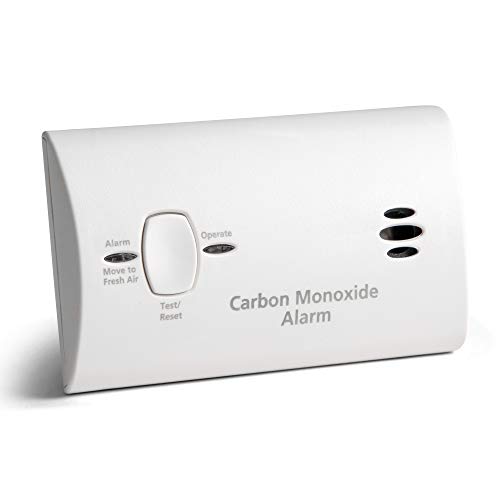
Forced-air kerosene heaters burn fuel and exhaust combustion byproducts into the same airstream they heat. That’s different from a sealed-combustion diesel parking heater. The CPSC recommends a battery-backed carbon monoxide detector for any space where a forced-air fuel heater runs. It also recommends genuine fresh-air ventilation, not just a running fan. That matters even more at 80,000 BTU. Never run it in a fully sealed space. Always follow the manufacturer’s minimum ventilation guidance for the room size.
Fuel Sourcing on the Job
The multi-fuel design is most useful when fuel sourcing is unpredictable. A job site might have diesel on hand for other equipment but no kerosene delivery scheduled. This heater runs on whichever is available without a special order. Keep in mind that switching fuel types mid-tank means draining any remaining fuel first, since the manufacturer doesn’t recommend mixing fuel types in the same fill. Plan fuel purchases around the job, not around whichever fuel happens to be cheapest that week.
Verdict
For a job site, large garage or construction space, the DFA80T is a genuinely capable choice. It needs serious heat output and a nearby electrical outlet to shine. Its multi-fuel flexibility and thermostat control back that up well. It’s the wrong tool for a small room or anyone without reliable power nearby. A wick-style convection heater fits that use case far better. For the specific job of heating a large, uninsulated space, it’s hard to beat at this price point.

Best for Job sites, garages and construction spaces up to 1,800 sq ft
Related Products
See our full kerosene heater guide for how this compares across the category, or our kerosene fuel type guide before your first fill-up. Pair it with these: