

Affiliate disclosure: some links are affiliate links — as an Amazon Associate we earn from qualifying purchases, at no extra cost to you. Full disclosure.
A kerosene heater is worth it for a specific set of buyers. It’s a poor fit for others. This site otherwise focuses on propane heaters, so it’s worth being upfront about how the two compare, rather than just selling kerosene on its own. Here’s a straight breakdown of who actually benefits from choosing kerosene.

Top 3 Recommended
Worth It If...
- You want more BTU output per dollar of fuel — kerosene has historically cost less per BTU than propane in many regions. This matters most for buyers running a heater for long stretches through a full winter.
- You’ve confirmed reliable local access to 1-K kerosene — the refined, low-sulfur grade indoor-rated heaters need. Kerosene retailers aren’t as common as propane exchange points in many parts of the country, so check this before buying, not after.
- You don’t mind kerosene’s distinct combustion odor, most noticeable during lighting and extinguishing, as a tradeoff for the fuel’s cost advantage.
- You’re comfortable with wick maintenance — trimming, periodic replacement, and using only 1-K fuel — as an ongoing part of ownership. Propane’s tank-swap logistics are simpler by comparison.
Not Worth It If...
- You already own a propane heater or are comparing the two from scratch — propane has a much larger selection of well-reviewed indoor-safe models. Fuel is more standardized, and there’s no wick to maintain. See our indoor propane heater guide before committing to kerosene.
- You’re sensitive to odor — kerosene’s smell during lighting and extinguishing is a common complaint, even among satisfied long-term owners. It’s simply part of the fuel, not a defect in any specific unit.
- Your region doesn’t have easy 1-K kerosene access — running out of fuel with no nearby resupply is a real practical risk. Propane exchange rarely presents that problem.
- You want the simplest possible ownership experience — no wick to trim or replace, no fuel-grade requirement to track down, and a broader market of accessories and parts. That points toward propane, not kerosene.
How It Compares to a Propane Heater
This comparison matters most for anyone reading this on a propane-focused review site. Kerosene generally wins on raw cost per BTU. In many regions, it also wins on longer run time per unit of fuel purchased. Propane wins on fuel availability — exchange points and refill stations are more widespread than kerosene retailers in most of the country. Propane also wins on model selection and on ownership simplicity, since there’s no wick to maintain. Our propane vs. kerosene heater comparison covers this side by side in more depth.
How It Compares to Electric Space Heaters
An electric space heater needs no fuel management at all. No tank, no wick, no odor. That makes it the simplest option for most indoor household use, as long as a reliable outlet is available. Kerosene’s advantage shows up when you need heat somewhere without power, or when you’re heating a large, drafty space an electric heater’s lower BTU ceiling can’t keep up with. If you have reliable power and a standard room, electric is usually simpler. If you need serious BTU output without electricity, kerosene is one of the few options that delivers it.
Is It Worth It for Emergency Preparedness?
An indoor-rated kerosene heater can be a reasonable emergency-kit addition. It works when the power grid doesn’t, and it needs no battery beyond an igniter on electric-ignition models. Buy and test it well before an emergency, though, not during one. Confirm your specific model’s indoor rating ahead of time. Keep a supply of 1-K kerosene on hand rather than assuming you can source it during a crisis. Pair it with a working carbon monoxide detector, no matter how confident you feel about the heater’s safety features. A propane heater fills the same emergency-preparedness role with simpler fuel storage. That’s worth weighing if you haven’t already committed to kerosene for other reasons.
Total Cost of Ownership


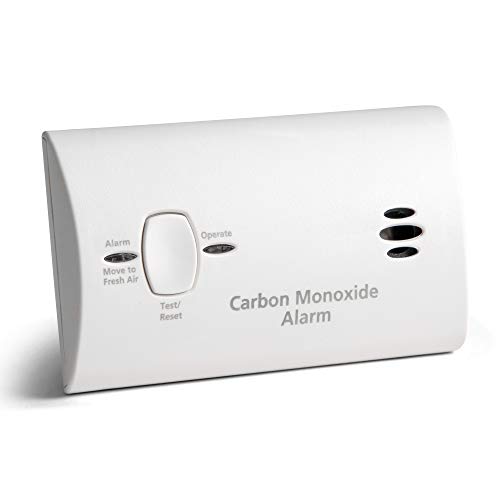


The heater’s sticker price is only the starting point. Fuel is an ongoing cost that varies by region and season. A carbon monoxide detector is a non-negotiable add-on if you don’t already have one in the room. Wicks need periodic replacement, too — budget for this as a recurring cost, not a one-time purchase. None of these individually changes the buy-or-don’t-buy decision by much. Added together, though, they give a more honest total than the unit price alone. That’s the number to compare against a propane heater’s total cost of ownership, not the sticker prices in isolation.
Buying New vs. Used
A used kerosene heater can save real money, provided you can verify its safety features and wick condition. Check that the wick isn’t degraded or badly trimmed from a previous owner. Look for corrosion or leaking on the fuel tank. Confirm any safety certification label is still legible. A heater with a cracked tank or a badly worn wick isn’t a bargain at any price, once you factor in a proper wick replacement and the risk of a burner assembly that’s already seen heavy wear. If you can’t verify these basics, buying new from a retailer with a return policy is the safer call.
How Long Should You Expect One to Last?
A well-maintained kerosene heater can reasonably last many years of regular winter use. That means periodic wick replacement, fresh 1-K fuel each season, and a burner assembly kept clean of soot buildup. This lifespan assumption matters for the worth-it math. It spreads the upfront cost across many seasons rather than one. A heater bought for a single unusual cold snap has very different cost-per-use economics than one a household uses every winter for years.
Regional Factors That Tip the Decision
Kerosene’s worth-it case is strongest in regions where 1-K fuel is cheap and widely available, and where propane exchange infrastructure is comparatively sparse. Some rural and northern areas fit this pattern well. In regions where propane refill and exchange points are on every corner and kerosene retailers are scarce, the fuel-availability advantage flips. Propane becomes the more practical choice, even if kerosene’s per-BTU cost looks slightly better on paper. Check actual local pricing and availability for both fuels. That’s the only reliable way to know which makes sense where you live.
What a First-Time Kerosene Buyer Often Gets Wrong
The most common mistake isn’t picking the wrong heater. It’s skipping the availability check before buying one at all. Plenty of buyers assume kerosene is as easy to find as propane, only to discover the nearest supplier is a real drive away. Confirm your local source and its 1-K grade first. Do that before comparing specific heater models, not after.
Talking to Someone Who Already Owns One
Before buying, ask a neighbor, coworker, or local forum member who already runs a kerosene heater. Real answers about local fuel cost, where they buy 1-K, and how often they replace a wick beat any general estimate. Local experience varies more by region than most buying guides suggest, and a five-minute conversation can save a genuinely wrong purchase.
The Honest Verdict
A kerosene heater is worth it for a household in a region with reliable, affordable 1-K kerosene access. It works well for buyers willing to manage wick maintenance and tolerate the fuel’s odor in exchange for strong BTU-per-dollar output over a long heating season. It’s a weaker choice for anyone who values simplicity, lives somewhere kerosene isn’t easy to find, or is put off by the odor. In those cases, the broader, more standardized world of propane heaters this site covers in depth is very likely the better starting point. Match the fuel to your actual region and tolerance for maintenance, not to which one has the better reputation in general.