
Affiliate disclosure: some links are affiliate links — as an Amazon Associate we earn from qualifying purchases, at no extra cost to you. Full disclosure.
Kerosene is genuinely harder to find in some regions than propane. That’s worth confronting honestly before you commit to a kerosene heater, not after. Here’s how to actually locate 1-K kerosene near you, and what to do if it isn’t convenient locally.
Top 3 Recommended
Where Kerosene Is Typically Sold
Three main sources carry 1-K kerosene in most parts of the country. Hardware stores, especially larger regional chains and farm-and-home stores, are the first stop. Gas stations sometimes have a dedicated kerosene pump, separate from vehicle fuel. Dedicated heating fuel suppliers are the third option, and many also deliver propane and heating oil. Availability skews heavier in the Northeast, Midwest, and colder rural regions, where kerosene heating has a longer history. It skews sparser in warmer climates and dense cities, where demand has never been high enough to support wide supply.
How to Search for a Local Supplier
Search "kerosene near me" or "1-K kerosene [your town]" to surface most local options. Call ahead before driving out, though. Not every hardware store or gas station that historically carried kerosene still stocks it consistently. Heating fuel suppliers who already deliver propane and heating oil in your area are also worth a direct call. Many carry kerosene even if it isn’t advertised prominently on their website. It’s simply a smaller part of their business than their main fuel deliveries.
Confirming You Get 1-K, Not a Lower Grade
Ask explicitly for 1-K kerosene when you call or reach the pump. Don’t assume a station selling "kerosene" by name is selling the right grade for an indoor heater. Reputable suppliers clearly label 1-K versus other grades. A supplier who can’t confirm which grade they carry is worth treating with some caution. Our kerosene fuel type guide explains why this distinction matters for your specific heater.
Buying Kerosene in Bulk vs. As Needed
Once you’ve confirmed a reliable local source, buy a moderate supply rather than a single fill-up each time. This cuts down how often you need a dedicated trip. But don’t stockpile a full season’s worth at once. Kerosene quality degrades over long storage, especially with temperature swings or contamination. Degraded fuel causes the same smoking and odor problems as using the wrong grade. A few weeks’ to a month’s worth of fuel, stored properly, is a reasonable middle ground for most households.
Container and Storage Requirements
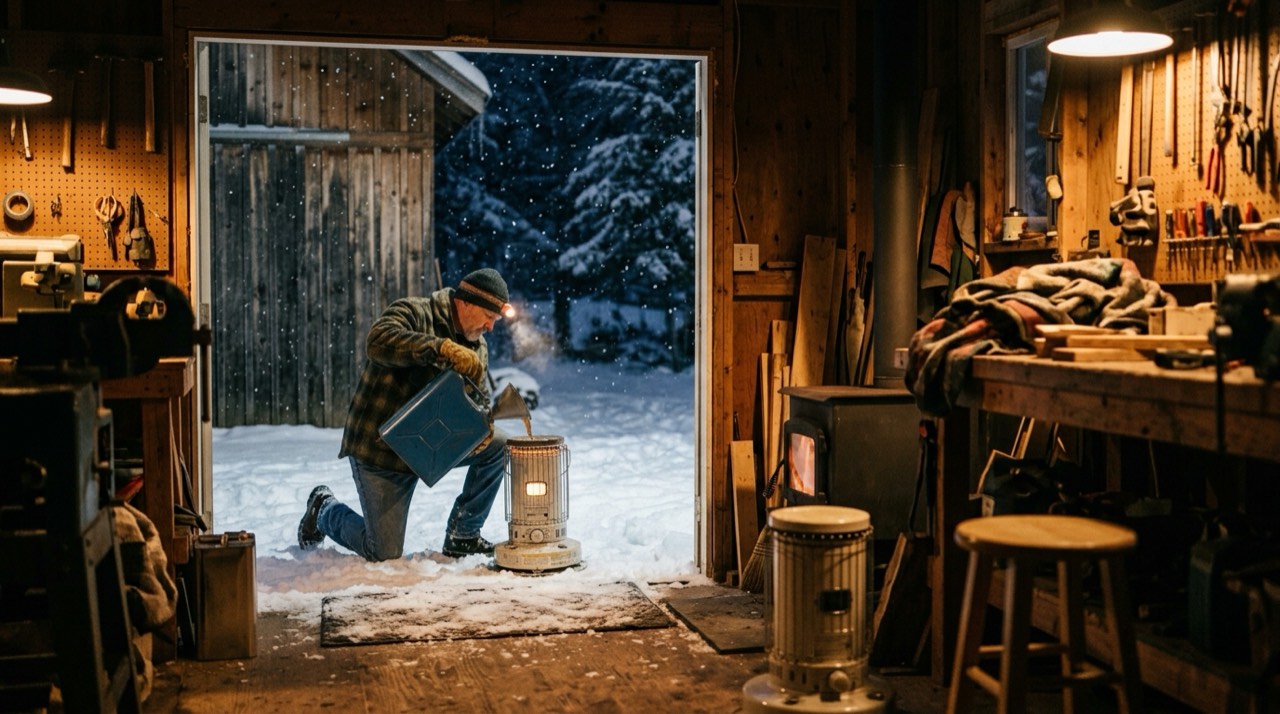
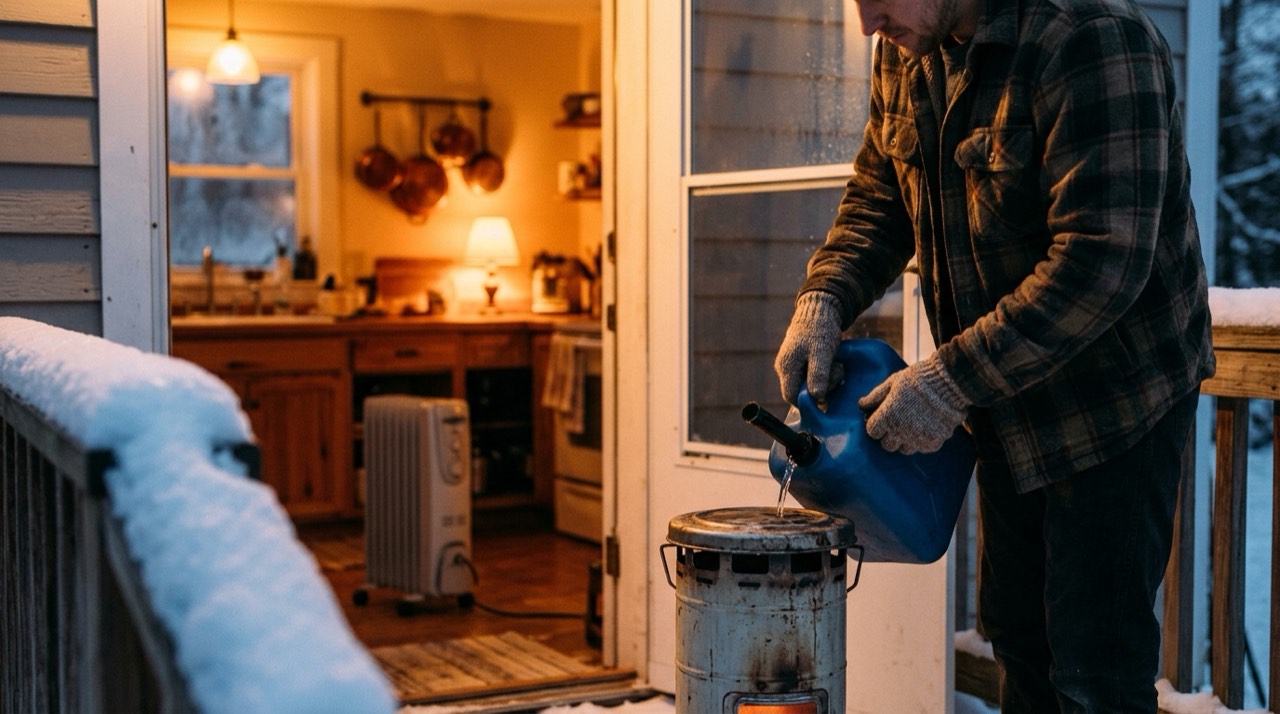
Store kerosene only in an approved, clearly labeled fuel container. Never use an unmarked container that could be mistaken for something else. Never reuse a container that held a different fuel or chemical without confirming it’s safe first. Keep stored kerosene away from direct heat sources and out of reach of children. A well-ventilated area, separate from living space, is the right spot for it.
What to Do If Kerosene Isn’t Available Locally
Search and call around first. If you still can’t find a reliable local 1-K supplier, take that seriously before buying a kerosene heater at all. Running out of fuel mid-winter with no nearby resupply is a real failure mode, not a hypothetical one. Some online retailers sell kerosene-alternative fuels approved for heater use. Shipping cost and delivery time make this a weaker option than reliable local supply, though. In this situation, a propane heater is often the more practical choice. Propane exchange and refill points are more widely available nationwide than kerosene retailers. Our indoor propane heater guide covers that alternative in depth.


Seasonal Availability Fluctuations
Some local suppliers stock kerosene only during the colder months. They reduce inventory or stop carrying it entirely in the off-season. This matters if you’re buying a heater for backup or emergency use rather than regular winter heating. Call ahead in late fall, before the season’s first real cold snap. Don’t assume a supplier that carried kerosene last year still does.
Cost Variation by Source
Prices vary meaningfully between a hardware store pump, a gas station’s dedicated pump, and a heating fuel supplier’s delivered price. Delivery from a fuel supplier sometimes offers a better per-gallon rate for larger quantities, despite an added delivery fee. Compare a couple of local sources before settling into a routine supplier. This is worth the time if you’ll be buying kerosene regularly through a full winter.
Rural vs. Urban Availability
Rural areas often have better kerosene availability than dense cities. That’s somewhat counterintuitive, but farm-and-home stores and rural heating fuel suppliers are more likely to stock it as a matter of course. Urban buyers may need to search further afield. Relying more heavily on a delivery-based heating fuel supplier is often the more realistic plan than expecting a convenient corner-store option.
Comparing Delivery vs. Pickup
A delivered heating fuel supplier saves a trip but usually requires a minimum order size and some lead time to schedule. Picking up from a hardware store or gas station pump works better for smaller, more frequent top-ups. Most households end up using a mix of both — a scheduled delivery for the bulk of the season, with pump pickups to bridge any gap.
Planning Ahead for Winter Storms
If you’re relying on a kerosene heater for storm-preparedness heating, buy and store fuel well ahead of a forecast storm. Don’t wait until the storm is imminent. Local demand spikes right when you need supply most, and it can run short fast. This is a more urgent version of the general rule: confirm reliable local access before you actually need it, not during an emergency.
Calling Ahead vs. Showing Up Unannounced
A quick phone call saves a wasted trip. Ask three things: do they carry 1-K specifically, is it in stock right now, and what does it cost per gallon today. Prices and stock levels shift through a cold snap. What was true last week may not hold this week. Showing up without calling risks finding an empty pump or a clerk who has to check.
What a Reliable Supplier Looks Like
A good kerosene supplier labels the grade clearly, keeps consistent stock through the season, and can answer basic questions about the fuel without hesitation. A supplier who seems unsure whether they carry 1-K, or who can’t tell you the current price, is worth a second call somewhere else. Building a relationship with one dependable local source beats bouncing between unfamiliar options every time you need a refill.
Asking Neighbors and Local Forums
Local community forums, neighborhood social media groups, and even a quick conversation with a longtime neighbor can surface a reliable kerosene source faster than a generic search. People who’ve heated with kerosene in your specific area for years usually know which station or supplier actually keeps 1-K in stock through the season. That kind of local knowledge doesn’t always show up clearly online.
The Honest Bottom Line on Kerosene Availability
Confirm you can reliably and affordably source 1-K kerosene near you before buying a kerosene heater, not after. In regions with good availability, kerosene remains a genuinely cost-effective heating fuel. In regions where it’s scarce, that inconvenience is a legitimate reason to choose propane instead, regardless of kerosene’s fuel-cost advantage on paper. Match the fuel to what’s actually practical to keep supplied where you live.