
Affiliate disclosure: some links are affiliate links — as an Amazon Associate we earn from qualifying purchases, at no extra cost to you. Full disclosure.
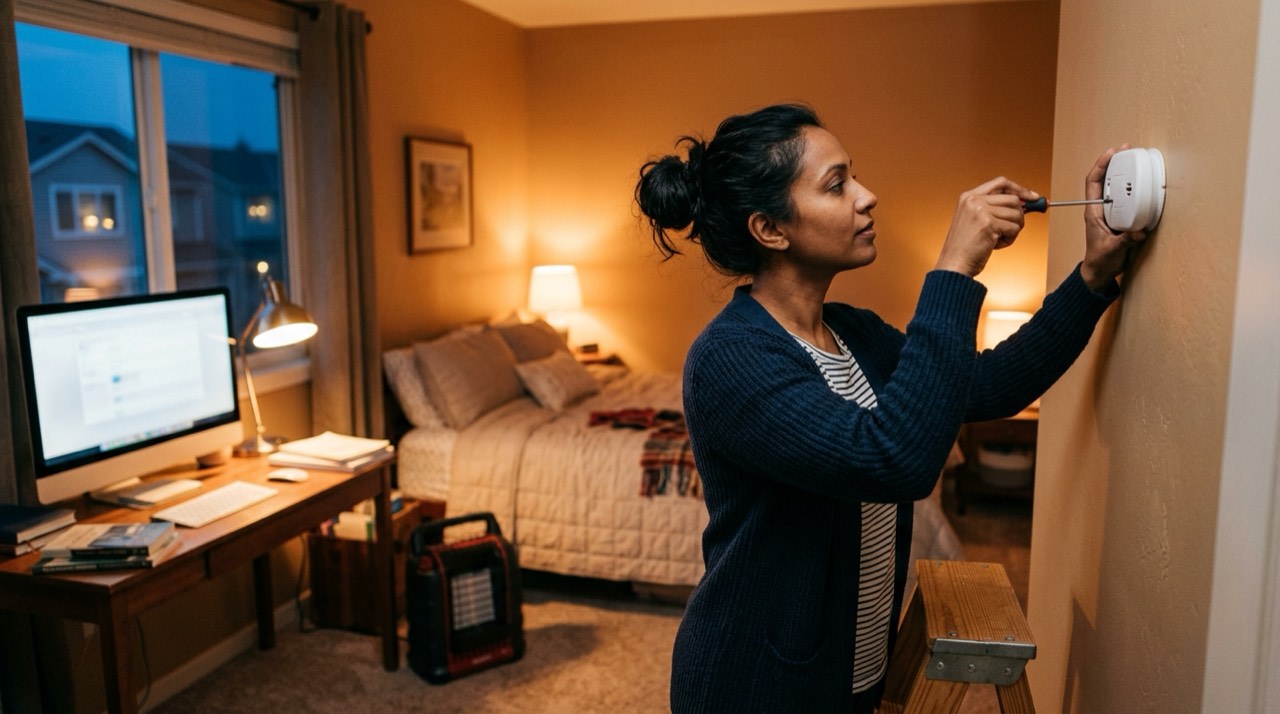
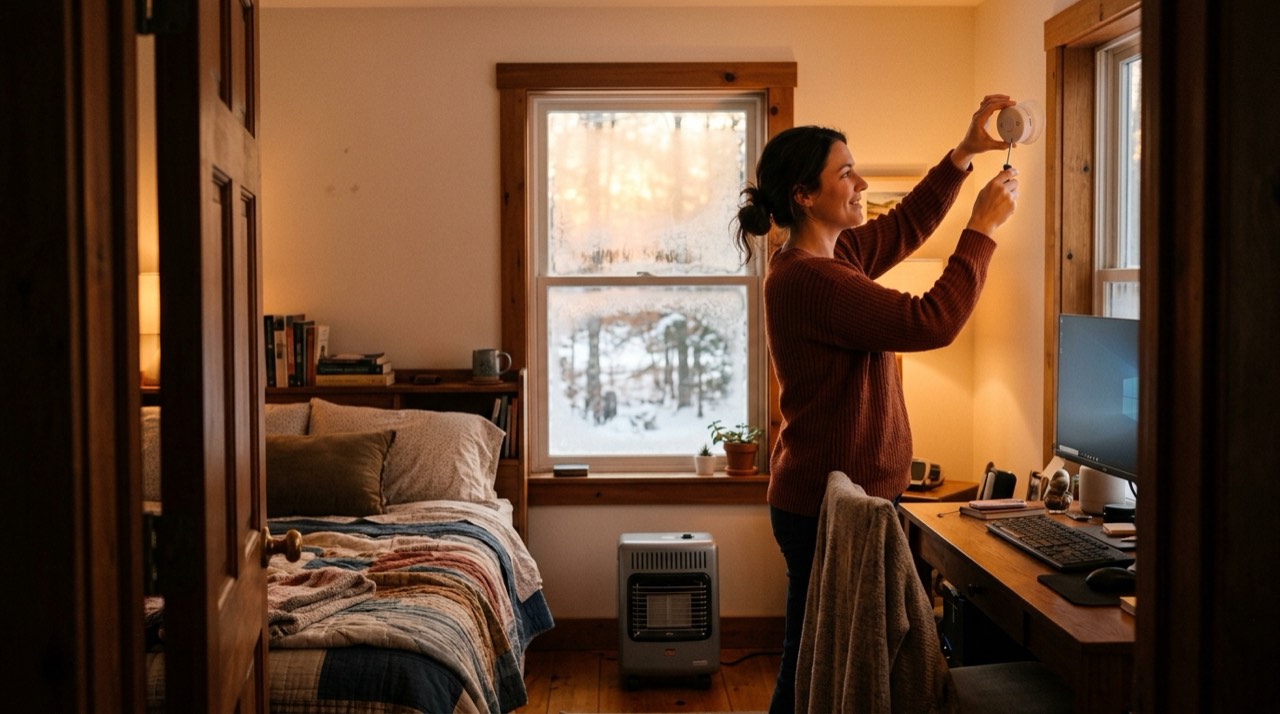
Placement matters as much as ownership with a carbon monoxide detector. Put it in the wrong spot and it can miss a real problem, or trigger nuisance alarms until you stop trusting it. Here is what CPSC guidance and detector makers actually recommend for a space with a propane heater.
Top 3 Recommended
The Distance Rule Most People Get Backward
CPSC guidance says a CO alarm should sit within about 10 feet of each bedroom door. That way it can wake someone who is asleep. At the same time, general safety guidance says not to place a detector within about 15 feet of a fuel-burning appliance, including a propane heater. Why? Many combustion appliances release a small burst of CO at startup. Put a detector too close and that normal burst can trigger a false alarm. Balance both rules by placing the detector in a hallway or common area between the heater and the bedroom, not right next to the heater.
How Many Detectors Does a Heated Space Need?
General guidance calls for at least one CO alarm on every level of a home. Add one more in the hallway outside each separate sleeping area. If a propane heater regularly runs in a garage or workshop, that room deserves its own detector too. CO produced in an attached garage can drift into the connected living space over time. A detector only in the main hallway might miss a problem building up right where the heater runs.
Placement Height: A Different Rule Than Smoke Detectors
Carbon monoxide mixes evenly through the air. It does not rise and collect near the ceiling the way smoke does. So a CO detector does not need ceiling mounting to work well. Most manufacturers suggest roughly knee-to-chest height for battery units, or standard outlet height for plug-in models. Check your specific model’s manual for its exact requirement.
Detector Types and Which Fits a Heater Setup
A battery-powered standalone detector does not need an outlet. That matters in a garage, workshop, tent or camping setup with no easy access to household wiring. A plug-in detector with battery backup works well for a fixed spot near an outlet. It combines outlet convenience with a battery backup for power outages. A combination smoke/CO detector covers both hazards in one unit. That is a good fit for standard household rooms, less so for a garage or workshop on its own. Our CO detector buying guide compares real products across these types.
Placement in a Garage or Workshop
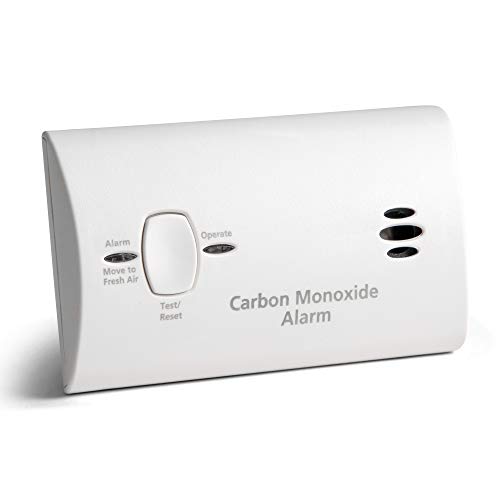
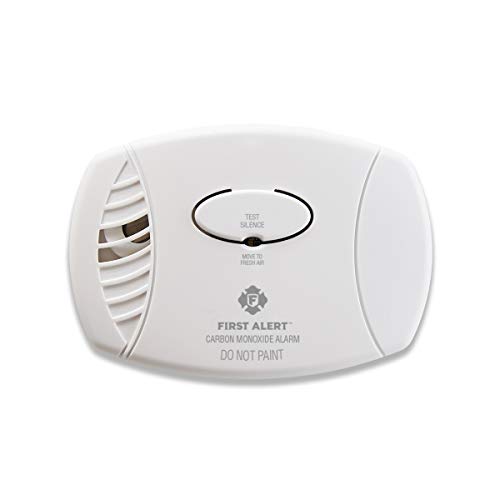


A garage or workshop that runs a propane heater regularly should have its own detector. Keep it away from the heater itself, per the 15-foot guidance above. Put it near where a person actually spends time, not tucked in a far corner. If the garage connects to the home, add a second detector on the connecting door or in the adjoining hallway. CO can move through an attached structure over time, even with the door closed.
Placement in a Tent, RV or Non-Standard Space
A battery-powered portable detector is the practical choice for camping. There is nothing to mount it to and no outlet to use. Place it near where people sleep in the tent, away from the heater. RVs often have a built-in CO or LP gas detector near the sleeping area already. Check for one before assuming you need a separate unit. A battery backup detector is still a reasonable addition, given how central heating and cooking appliances are in a small RV.
Testing and Replacement
Test any detector with its built-in test button, on the schedule the manufacturer sets. This confirms the alarm circuit works. It does not test how sensitive the sensor actually is to CO. Most detectors have a limited service life, often several years. Check the manufacture or replacement date printed on the unit. Replace the whole detector at that point, even if it still seems to work.
What a Repeated Alarm Near a Heater Means
An alarm that trips briefly at startup, then clears, likely means the placement guidance above was not followed. Move the detector further from the heater and see if the pattern stops. An alarm that keeps recurring, or triggers with no heater running, is different. Treat that as a real signal. Ventilate the space, shut off every fuel-burning appliance, and have it professionally inspected rather than assuming it is just a placement issue.
Voice Units and Detectors for a Household With Kids or Older Adults
Some detectors add a spoken alert alongside the standard beep pattern, naming the hazard and sometimes the specific room, which can register faster for a child or a heavy sleeper than a beep code alone. This is a genuine usability upgrade in a home with a propane heater, since the standard beep pattern for CO differs from the pattern for smoke, and remembering the difference under stress is harder than it sounds. For an older adult with reduced hearing, a detector model with a louder decibel rating or a paired strobe light is worth checking against the manufacturer’s published specifications rather than assuming every detector on the shelf performs the same.
Sealed 7-Year and 10-Year Battery Units
A newer category of detector ships with a sealed, non-replaceable battery rated to last the unit’s full service life, commonly seven or ten years, after which the whole detector is replaced rather than just its battery. These units remove the risk of a forgotten battery swap, which is one of the more common ways a detector quietly stops protecting a home. A traditional replaceable-battery unit costs less upfront and is worth it for anyone disciplined about a seasonal battery-check habit; a sealed unit suits anyone who would rather not think about it again until the printed replacement date arrives.