
Affiliate disclosure: some links are affiliate links — as an Amazon Associate we earn from qualifying purchases, at no extra cost to you. Full disclosure.
Yes, a propane heater can be genuinely safe indoors — when it’s certified to the specific US standard built for that purpose, ANSI Z21.11.2, rather than just labeled "portable" or "compact." That standard is the real answer behind the "indoor-safe" claim, and understanding what it actually requires explains both why certified heaters work and why non-certified ones don’t belong indoors at all.
What ANSI Z21.11.2 Actually Requires
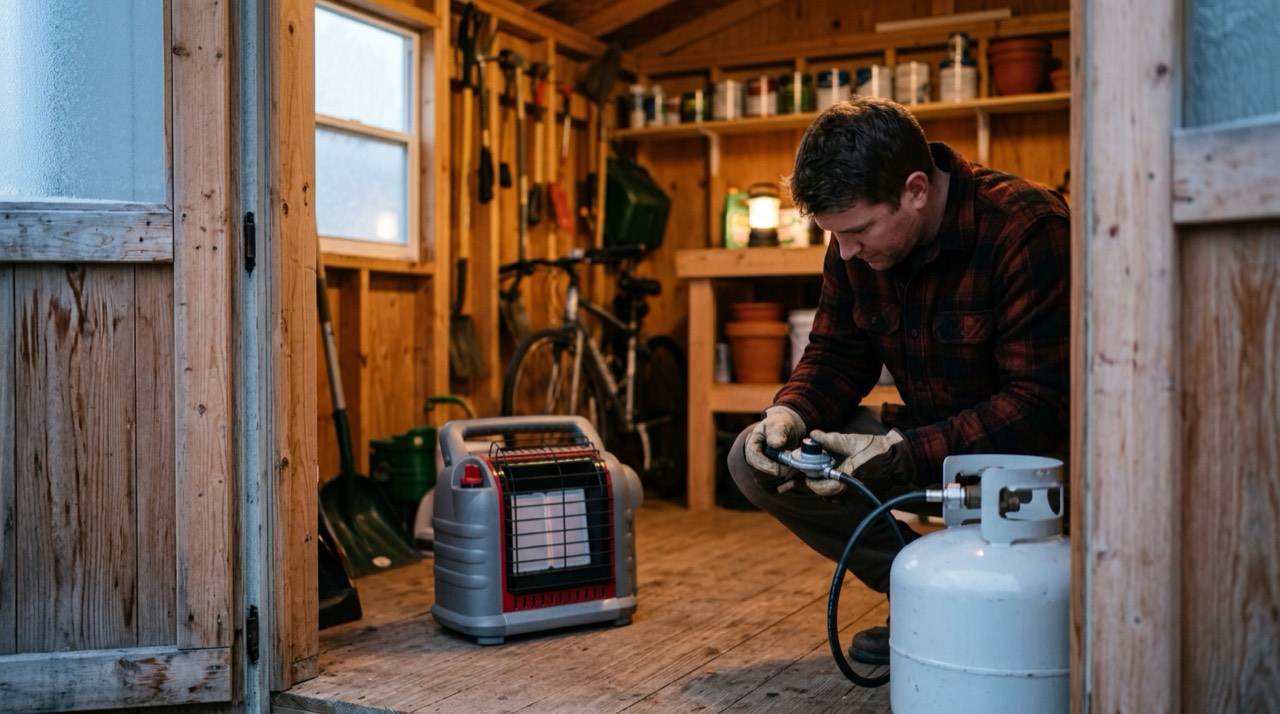
ANSI Z21.11.2 is the US standard for unvented gas room heaters. It covers indoor-safe portable propane heaters and vent-free wall units. It requires an oxygen depletion sensor (ODS), a pilot-mounted sensor that continuously reads oxygen levels in the surrounding air. That sensor shuts the gas valve automatically once oxygen drops to roughly 18%, well before the room reaches a dangerous concentration. The standard also caps heat output by intended room type. General indoor use tops out at 40,000 BTU/h. A heater rated for bedroom use is capped at 10,000 BTU/h. One rated for a bathroom is capped at 6,000 BTU/h. Those rooms are smaller, more likely to be sealed, and potentially occupied by someone asleep, so they get a lower ceiling for a reason.
Why the ODS Cutoff Works
The 18% oxygen threshold isn’t arbitrary. Normal indoor air sits around 21% oxygen. As a fuel-burning appliance consumes oxygen in a small, sealed space, that level can drop gradually. Cutting gas flow at 18% happens well above levels associated with real physiological risk. That stops combustion before carbon monoxide has a chance to build up from the incomplete combustion that starts in oxygen-poor conditions. It’s a preventive shutoff, not a reactive one. It doesn’t wait for a dangerous CO reading. It removes the ignition source before that reading becomes likely.
Why "Portable" Isn’t the Same Claim as "Certified"
A heater can be small, lightweight, and genuinely portable while still being built for outdoor or well-ventilated use only. Forced-air construction heaters are the clearest example. No ODS at all, labeled outdoor-use for exactly that reason. Certification happens at the individual model level under this standard, not the product category or brand. That’s why the same manufacturer can sell one ANSI Z21.11.2-certified model next to an uncertified one with a similar name.
How to Confirm a Specific Model Meets the Standard
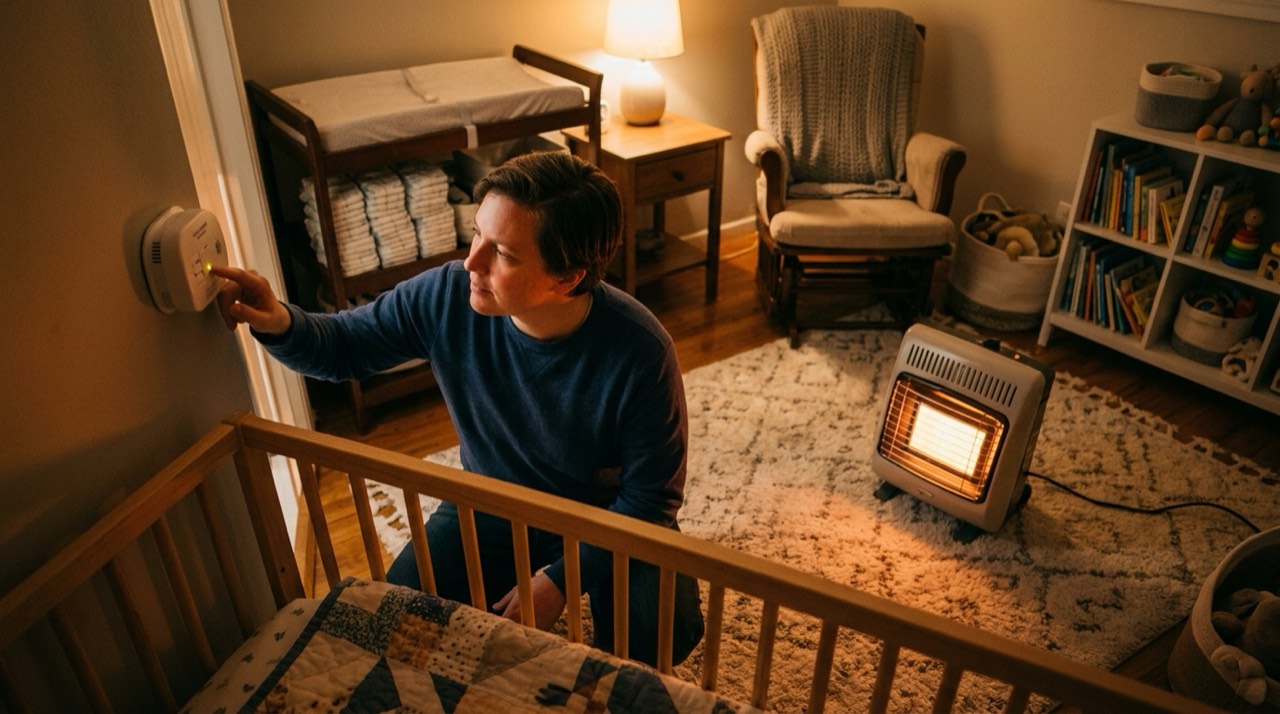
Check the product manual for a direct reference to ANSI Z21.11.2, or the words "for indoor use," "vent-free," or "unvented" next to a description of an oxygen depletion sensor. A listing title alone isn’t reliable confirmation. Our indoor-safe vs. outdoor-only guide walks through checking a listing before you buy, model by model.
What the Standard Doesn’t Cover
ANSI Z21.11.2 certifies the heater’s built-in safety hardware — it doesn’t certify that a specific room is a good fit, or that unattended overnight use is safe. Most manufacturers still require the ventilation their manual specifies and don’t rate their certified heaters for continuous unattended operation, even though the ODS is present. Certification is the floor, not the whole safety picture. Our indoor safety and carbon monoxide guide covers the rest of it: ventilation, detector placement, and clearance.
The Bottom Line
A propane heater is safe for indoor use when it’s built and certified to ANSI Z21.11.2, with a working oxygen depletion sensor and an output rating matched to the room it’s intended for. That certification, verified in the manual rather than assumed from size or price, is the real dividing line between an indoor-safe heater and one that only looks like it might be.