
Affiliate disclosure: some links are affiliate links — as an Amazon Associate we earn from qualifying purchases, at no extra cost to you. Full disclosure.
An oxygen depletion sensor gets most of the attention in indoor-safe heater marketing. But it is only one of three layered safety systems most models actually include. The other two are an added odorant and a tip-over switch. Each one works on a different principle. Each one catches a different kind of failure. Here is how each one actually works.
Top 3 Recommended
Why Propane Needs an Added Smell
Propane has almost no natural smell on its own. Manufacturers add a chemical odorant to fix that. The most common one is ethyl mercaptan, the same family of compound used in household natural gas. It is added for one reason: so a leak announces itself to your nose before it becomes dangerous. This is a deliberate step in manufacturing. It is not something the fuel does on its own. It is also why a leak is often described as smelling like rotten eggs or sulfur. If you ever smell that near a heater, tank, hose or fitting, treat it as real. Turn off the gas. Ventilate the space. Do not light or relight anything until you find the source.
How a Tip-Over Switch Actually Works
A tip-over switch is mechanical, not electronic. Most modern designs use a weighted or spring-loaded piece inside the heater. It stays in one position while the heater sits upright. If the heater tilts past a set angle, that piece moves and physically shuts the gas valve. Older heaters sometimes used a mercury switch for this. Most current models have moved away from mercury parts. The exact tip angle varies by model and is listed in the manual. But the idea is the same across brands: if the heater gets knocked over, gas flow stops on its own.
How the Three Systems Work Together
These three features protect against three different problems. The odorant is a human warning for a fuel leak from a hose, fitting or tank. That is a supply-side problem. The oxygen depletion sensor watches the room’s air during normal use. That is a combustion-side problem. The tip-over switch protects against a physical accident, like a heater getting knocked or kicked over. None of the three replaces the others. A heater can be doing fine on two of the three and still be unsafe if the third one is blocked or disabled. That is why manufacturers build them as separate, overlapping layers.
Can You Test These Features Yourself?
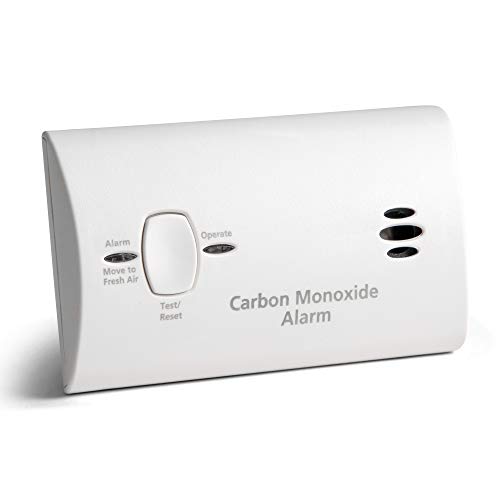
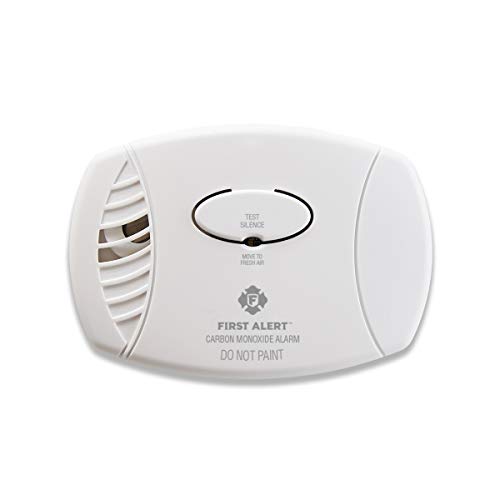


Not really, and that is by design. Most heaters have no test button for the ODS or the tip-over switch. Both are mechanical or chemical systems checked during manufacturing and certification, not something an owner tests at home. What you can do: check the tip-over switch area for dust, debris or damage that might block it from moving freely. Never place anything against the base of the heater that could stop it from tilting the way it is meant to. As for the odorant, the only real test is your own sense of smell. That is one more reason a carbon monoxide detector matters. CO has no odorant added to it. You cannot smell it the way you can smell a propane leak.
Common Misconceptions Worth Correcting
- "No smell means no leak" is not a guarantee. A very slow leak, a spot where the odorant has faded, or a weak sense of smell can all miss the warning.
- A tip-over switch is not a childproof lock. It responds to tilt, not to a child or pet touching the controls. It does not replace supervision.
- Never tape down or bypass a tip-over switch. Doing this removes the one safeguard against a flame burning unattended against something flammable.
- None of these three features replace a CO detector. A detector is built specifically to sense carbon monoxide. The other three systems are not.
Why Manufacturers Moved Away From Mercury Switches
Older tip-over designs sometimes relied on a small mercury-filled tilt switch, since mercury’s weight and fluid movement made it a simple, reliable way to detect a change in angle without any electronics. Over the past couple of decades, most manufacturers phased mercury out of consumer products generally, heaters included, in favor of spring-loaded or weighted mechanical designs that achieve the same tilt-detection result without using a hazardous material inside the housing. If you come across an older heater with a mercury switch, that is not automatically a sign it is unsafe, but it is one more reason older units deserve a careful inspection before regular use, since the internal components and manufacturing standards behind them may be decades old.
How Certification Testing Actually Checks These Features
During certification, a testing lab does not just take a manufacturer’s word that the tip-over switch or the odorant delivery works as intended. Labs physically tilt sample units at controlled angles to confirm the gas valve shuts at the specified point, and they verify the odorant is present at the correct concentration in the fuel supply chain the heater is designed for. This is a meaningful distinction from a marketing claim: a certified heater’s safety features have been tested against a specific, repeatable standard, not just described in a brochure.
What to Do If a Tip-Over Switch Fails to Trigger
If a heater gets knocked over and the flame does not shut off, treat that as a serious malfunction rather than a minor glitch, and stop using the unit immediately until it can be inspected or replaced. This is different from the switch simply not being sensitive enough at a shallow tilt angle, which is normal and by design, since a heater should not shut off from every small bump on uneven ground. A switch that fails to respond to an actual tip-over, where the unit is genuinely knocked onto its side, is a safety-critical failure, and continuing to use that specific heater afterward is not a reasonable risk to take.
Where This Fits Into the Bigger Picture
These two features, plus the oxygen depletion sensor, are why a correctly used indoor-safe heater is a reasonably safe appliance, and the word "correctly" is doing real work in that sentence, since even a properly certified heater depends on the owner following the ventilation and clearance guidance in its manual. Our safety checklist for families covers the habits that keep all three systems working as intended, and our detector placement guide covers the backstop layer none of these three replace.