
Affiliate disclosure: some links are affiliate links — as an Amazon Associate we earn from qualifying purchases, at no extra cost to you. Full disclosure.
Most propane heater safety advice is scattered across a manual, a few warning stickers, and general tips. Each piece is useful, but hard to act on as a routine. This checklist organizes it by when it matters: before you buy, before each use, during use, after use, and what to do if something goes wrong.
Top 3 Recommended
Before You Buy: Confirm the Rating Matches the Room
- Check that the model’s manual explicitly rates it for indoor or enclosed-space use. See our indoor-safe vs. outdoor-only guide for how to check this before buying.
- Check the manufacturer’s minimum room size against your actual room. Do not go by the general "indoor-safe" label alone.
- If the heater will ever run in a bedroom, confirm it is rated for that. Bedroom units are capped at a lower BTU output than general indoor-use units.
Before Every Use: A Five-Point Check
- Clearance: check the manual’s clearance distance from walls, curtains, furniture and bedding. Do not estimate — confirm the exact figure for your model.
- Stability: set the heater on a level, stable surface. This lets the tip-over switch do its job if the unit gets bumped.
- Connections: for a hose-connected setup, glance at the hose for cracking. Confirm every fitting is seated, especially at the start of a season.
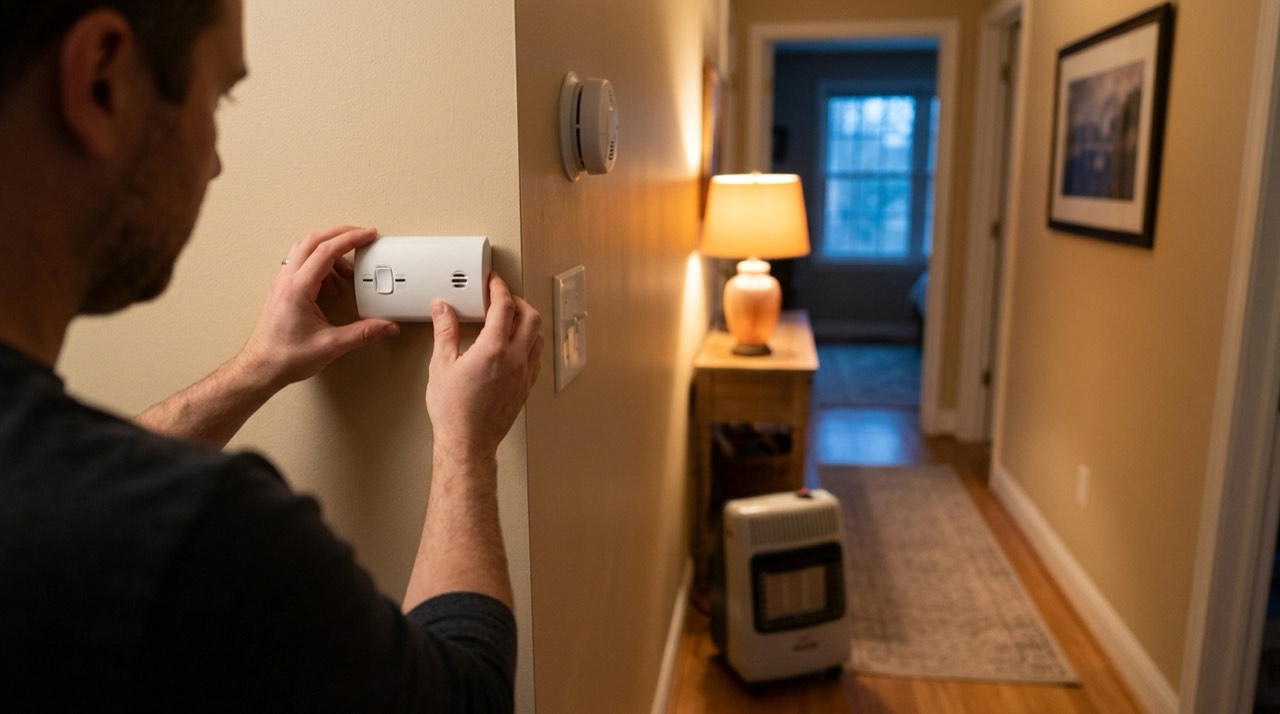
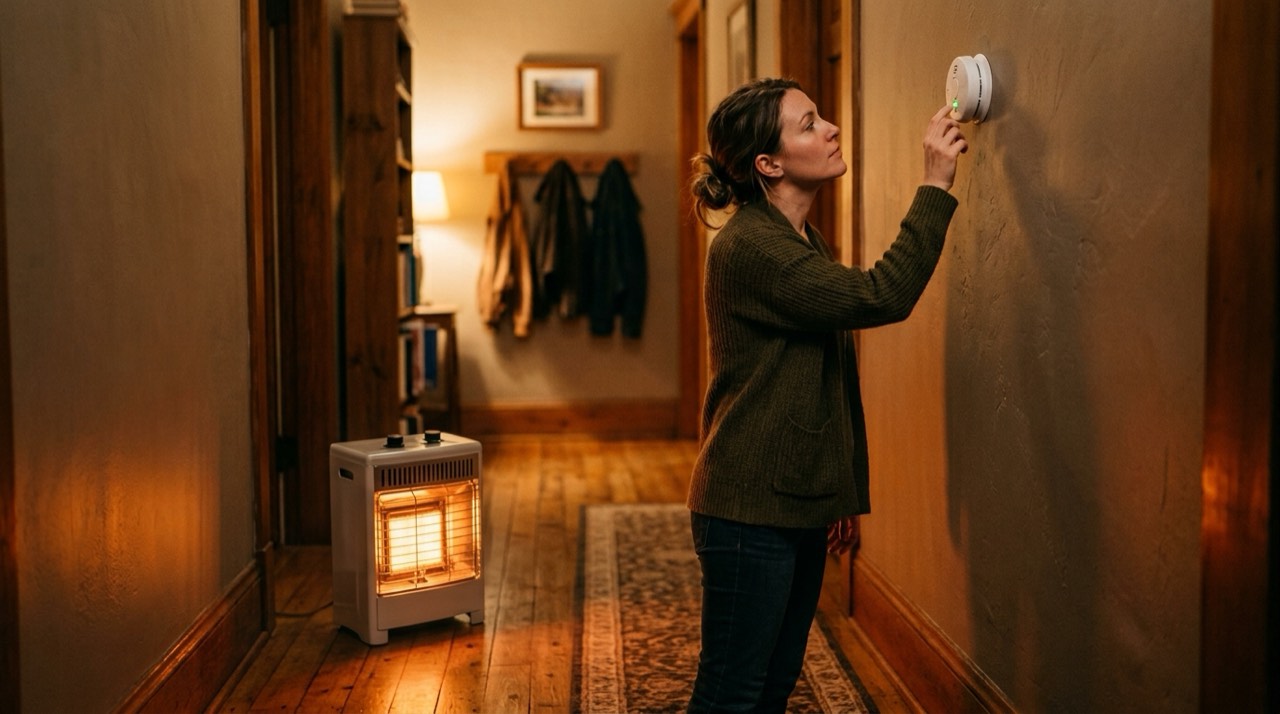
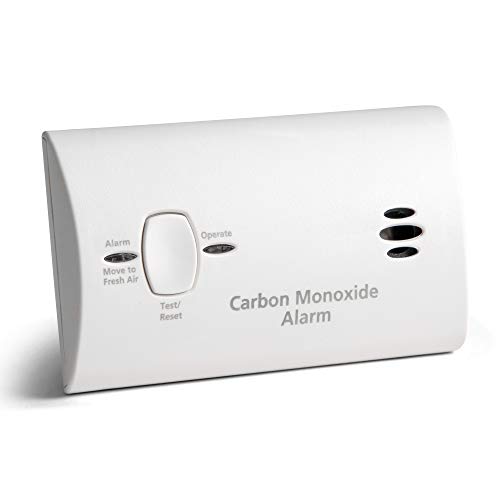
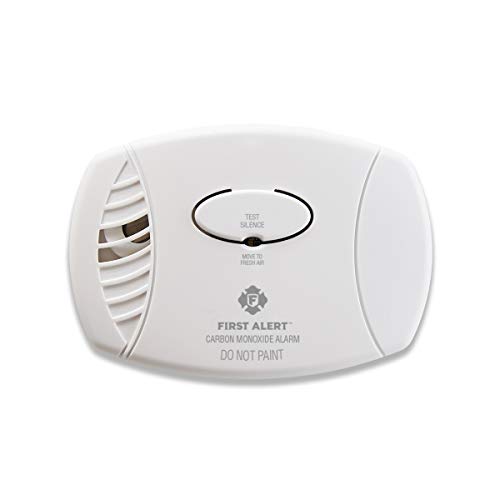
- Detector check: confirm a working carbon monoxide detector is in place and within its service life. See our detector placement guide.
- Ventilation: crack a window or door, per the manual’s guidance, even for an ODS-equipped indoor-safe model.
During Use: Supervision Rules Around Kids and Pets
Never leave young children or pets alone in a room with an operating heater. This is true no matter how many safety features it has. An ODS and a tip-over switch guard against oxygen depletion and a knock-over. Neither one stops a curious child from touching a hot guard, or a pet’s tail brushing against the unit. Keep the heater out of foot-traffic paths and play areas. For a toddler, a physical barrier or gate around the heater is worth the extra step in a small room. A heater running in a child’s bedroom needs extra care. Confirm it carries the lower bedroom-specific rating, not just a general indoor-safe rating moved into that room.
Watch the Flame
A propane heater’s flame should burn blue under normal use. A flame that stays yellow or orange can mean incomplete combustion. That produces more carbon monoxide than a properly burning unit. If you see this, turn the heater off. Have it inspected before using it again. Do not keep running it and hope the color fixes itself.
After Use: Shutdown and Storage Habits


- Turn off the fuel supply at the tank or cylinder, not just the heater’s control knob, when storing it between uses.
- Let the heater cool fully before moving or storing it, especially in a case or bag.
- Disconnect a hose-connected tank for long-term storage. Do not leave the connection under pressure indefinitely.
- Store the tank upright in a well-ventilated area. Never store it in a fully sealed space long-term.
Seasonal Habits for Regular Family Use
At the start of each heating season, before the first real use, run through a quick check. Inspect the hose for cracking. Confirm the tank’s recertification date if it is a refillable cylinder. Re-read the manual’s clearance and ventilation section, since details are easy to forget over an off-season. Replace the CO detector’s batteries at the same time, for battery-powered units. Check the detector’s own replacement date. Do not assume a unit that worked last winter is still within its service life.
Emergency Response: Make a Simple Family Plan
If a carbon monoxide detector alarms, the response is the same no matter the source. Turn off the heater. Open doors and windows to ventilate. Get everyone, including pets, to fresh air right away. Do not send anyone back in to check the source or turn things off manually once the alarm has sounded. Treat it as a leave-first situation. For a family with kids old enough to understand a fire drill, a short talk about what the CO alarm sounds like, and where to meet outside, costs nothing. It removes hesitation if the alarm ever actually goes off. If anyone shows signs of CO exposure, like a headache, dizziness, nausea or unusual weakness, treat it as a medical emergency. Do not wait to see if symptoms pass.
Renters and Shared or Multi-Unit Housing
Anyone using a propane heater in a rented apartment, shared house or multi-unit building should check the lease or building rules before assuming it is allowed, since some agreements specifically restrict portable fuel-burning appliances because of the fire and carbon monoxide risks covered on this page. In a connected or multi-unit structure, a carbon monoxide problem in one unit can potentially reach neighboring space depending on how the building’s ventilation is set up, which raises the stakes on getting placement and ventilation right rather than treating it as a private, contained decision.
Building a Simple Family Safety Kit
A small kit kept near the heater, rather than scattered around the house, makes the checklist above easier to actually follow: a spare carbon monoxide detector or battery pack, a flashlight for a fast, safe exit if the power is out when an alarm sounds, and a printed copy of the manufacturer’s manual page covering clearance and ventilation for quick reference. None of this needs to be elaborate. The value is in having it in one place, so a stressful moment does not turn into a search for a manual or a spare battery that is not where you thought it was.
The Checklist, All in One Place
- Confirm indoor or bedroom rating before buying, or before moving a heater to a new room.
- Run the five-point pre-light check every time, not just the first time.
- Never leave kids or pets alone near an operating heater.
- Watch for a yellow or orange flame as a stop-and-inspect signal.
- Shut off fuel at the source and let the unit cool fully after each use.
- Re-inspect hoses, tanks and detectors at the start of every season.
- Have a simple, practiced response ready in case the CO alarm ever sounds.