
Affiliate disclosure: some links are affiliate links — as an Amazon Associate we earn from qualifying purchases, at no extra cost to you. Full disclosure.
A construction site heater has to survive conditions a garage heater never sees: dust, moving crews, no fixed power, and a structure that is not fully enclosed yet. We looked at the forced-air heaters that come up most in job-site reviews and ranked five that handle those specific conditions well. Every ranking below reflects aggregated owner and contractor reviews plus manufacturer specifications.
How We Picked These Job Site Heaters
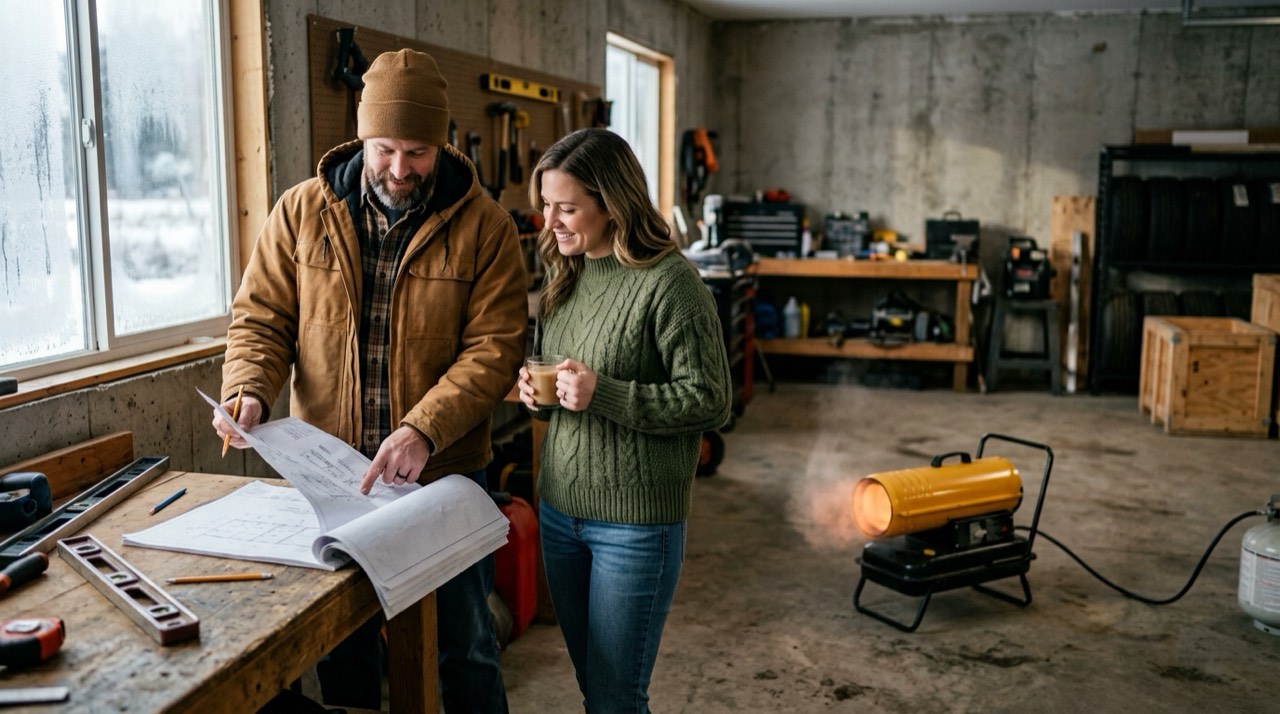
Job sites have different priorities than a home garage. We weighted power independence, since many sites do not have electrical service yet. We weighted ruggedness, since these heaters get moved, bumped, and left in dusty conditions. And we weighted included accessories, since a crew showing up without a hose or regulator wastes time. Raw BTU output mattered less than how well a heater fits actual site conditions.
The Short Answer: What Ships With a Hose and Regulator and Overheat Protection
For most active job sites, the Mr. Heater 125,000 BTU Forced Air Heater is the safest pick. It brings a large, open structure up to temperature fast. If your site has no power at all yet, skip straight to the Reddy Heater battery-hybrid model, which does not need an outlet or generator to start. Want everything included so you are not making a second supply run? The 150,000 BTU heater with hose and regulator ships ready to connect.

Best for A large, open structure or an active construction area that needs to warm up fast
- 125,000 BTU output
- Continuous electronic ignition
- Cart-style frame built for job-site moves
- Rated for well-ventilated commercial and industrial use
Why buy it: Crews running this heater on a job site consistently mention how fast it brings a cold, open structure up to a workable temperature. Mr. Heater's reputation for reliability built on its Buddy line carries over here, and contractors who already trust the brand for smaller heaters tend to stick with it for this one too.
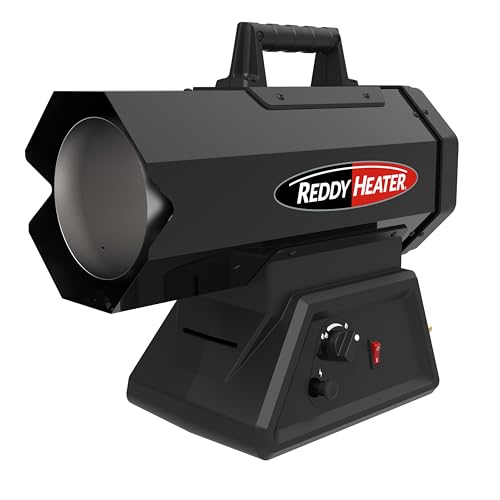
Best for A job site with no electrical service yet, common on new construction
- 60,000 BTU output
- Battery-hybrid ignition, no outlet required
- Portable cart design
- Built for job-site conditions
Why buy it: New construction sites often do not have power for weeks. A battery-hybrid heater like this one solves that problem directly, letting a crew run heat without hauling in a generator just to start the ignition system.

Best for Crews that need a heater ready to run without buying a separate hose and regulator
- 150,000 BTU output
- CSA certified
- 11 ft hose and regulator included
- Automatic overheat protection
Why buy it: On a busy job site, showing up with a heater that still needs a hose and regulator wastes a trip. This one ships with both, plus a safety certification that confirms independent testing rather than just a manufacturer claim.

Best for Framing crews working inside a partially enclosed structure for hours at a stretch
- 150,000 BTU output
- Quiet Burner Technology
- Continuous electronic ignition
- Rugged cage frame for job-site abuse
Why buy it: A framing crew working inside a structure all day notices fan noise a lot more than someone passing through briefly. DEWALT built this specific model around a quieter burner, and reviewers who spend full shifts near it say it makes a real difference.

Best for A smaller job site or a single room within a larger structure
- 60,000 BTU output
- Stainless steel housing
- Continuous electronic ignition
- Rated for job site and outdoor use
Why buy it: Not every job site needs a 150,000 BTU heater. Crews working a single room or a smaller structure find the 60,000 BTU tier plenty, and the stainless housing holds up better to job-site dust and moisture than a painted equivalent.
Full Comparison
| Product | Best for | Buy |
|---|---|---|
| Mr Heater 125,000 BTU Forced Air Propane Heater | Best Overall for Large Sites | Check Price |
| Reddy Heater 60,000 BTU Forced Air Propane Heater, Battery Hybrid | Best for Sites Without Power | Check Price |
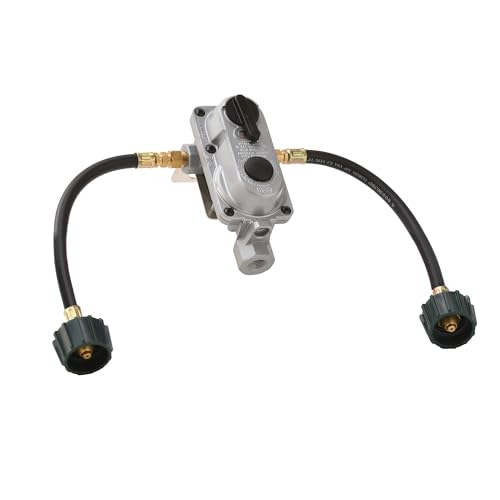
| 150,000 BTU Forced Air Propane Heater with 11FT Hose, Regulator, CSA Certification | Best Included Accessories | Check Price |
| DEWALT 150,000 BTU Forced Air Propane Quiet Burner Technology Job Site Heater | Best for Enclosed Framing Work | Check Price |
| Flame King 60,000 BTU Portable Propane Forced Air Heater, Stainless Steel | Best Compact Pick | Check Price |
Torpedo Heater Basics: Forced-Air Construction Heaters Explained
All five picks above are forced-air torpedo heaters — the job-site nickname for a cart-mounted, cylindrical forced-air unit that throws heat in a directional column rather than warming a room evenly.
No Thermostat: Variable Output and High-Output Heat Instead
None of today's picks include a thermostat; output is set manually via a variable output dial or a fixed high/low switch, and running a torpedo heater below full output stretches tank life meaningfully compared with wide-open high-output heat.
Fuel Consumption: BTU, GPH and 20-lb Tank Continuous Run Time
Fuel consumption on these units is often quoted in GPH (gallons of propane per hour equivalent) rather than a flat BTU number alone — useful for estimating a 20-lb tank's continuous run time before you need to swap or refill.
Other Job-Site Brands and Commercial Heater Options: NFPA 58 and Carbon Monoxide Risk
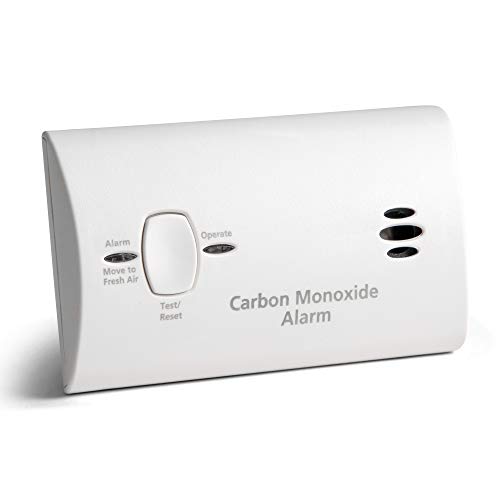
Mr. Heater, Reddy Heater, DEWALT and Flame King dominate today's picks, but Bauer and Craftsman also sell comparable forced-air propane heaters worth cross-shopping if your usual supplier carries one of those brands instead. Whichever commercial heater you land on, NFPA 58 — the National Fire Protection Association's LP-gas code — governs how propane cylinders are stored and handled on an active site, alongside the OSHA ventilation rules covered below. Carbon monoxide risk is the reason both standards exist: a forced-air heater lacks the oxygen depletion sensor that makes an indoor-safe radiant heater different, so ventilation is never optional.
Curing a Cold Weather Concrete Pour: The Best Value Case for Renting
One job-site-specific use case worth flagging: curing a cold weather concrete pour, where contractors run one of these heaters continuously for days to keep a slab above freezing while it sets — often the best value case for renting a unit rather than buying one for a single pour.
What OSHA’s 29 CFR 1926.154 Requires for Temporary Heat on a Construction Site
OSHA’s construction standard, 29 CFR 1926.154, covers temporary heating devices directly. It requires enough fresh air to keep the heater burning cleanly and to protect worker health. If natural airflow is not enough, mechanical ventilation is required instead. The standard also sets specific clearance from combustible materials based on the heater’s rating. On top of that, it flatly bans solid-fuel salamander heaters in buildings and on scaffolds. None of the picks above are solid-fuel heaters. Still, the ventilation and clearance rules apply to every one of them on an active site.
Power Access and Battery Hybrid: The First Question to Answer
Before choosing a heater, find out whether your site has power yet. Most forced-air heaters need electricity for their ignition system and fan, which means a corded model needs an outlet or a generator running nearby. New construction often does not have power for the first several weeks, which is exactly the situation a battery-hybrid heater like the Reddy Heater pick above solves. Bringing a corded heater to a site with no power source is a common and avoidable mistake.
Clearance, Ventilation and Combustible Materials on an Active Site
Job sites accumulate sawdust, packaging, and other combustible debris fast, and OSHA’s clearance table sets minimum distances between a heater and anything that can burn based on the heater’s specific BTU rating and design. Heaters used near tarps, canvas, or similar coverings need at least 10 feet of clearance from those materials under the standard. Check your specific heater’s manual for its exact clearance numbers, since they vary by model and are not a one-size-fits-all figure.
Fuel Planning for a Full Work Day
A 150,000 BTU heater running at full output burns through a standard 20 lb tank in a little over 3 hours, using the standard conversion of roughly 21,600 BTU per pound of propane. For a full work day, that means either swapping tanks constantly or connecting to a 100 lb tank or larger. Crews running a heater regularly through a job almost always move to the bigger tank size once the fuel-swap math becomes obvious. Our fuel consumption guide covers this by BTU tier.
Noise on a Site With Multiple Crews


A forced-air heater’s combustion fan runs the whole time it is on, and crews working near it for full shifts notice the noise more than someone passing through briefly. If your crew works inside the heated structure all day rather than just walking through it, the DEWALT Quiet Burner pick above is worth the extra cost specifically for that reason.
Matching Forced Air Heater Output to the Structure
An open foundation or a fully framed but unenclosed structure loses heat almost as fast as it is produced, since there is little to hold warm air in. A partially enclosed structure with sheathing up holds heat better and can be warmed with a smaller heater than the open square footage alone would suggest. Walk the actual space before choosing a BTU tier, rather than sizing off the building’s total square footage on paper, since how enclosed the structure currently is changes the real heating need more than the floor plan does.
Weather Exposure and Job-Site Conditions
Job-site heaters see far rougher conditions than a heater living in a garage. Rain, mud, dust from ongoing work, and being moved between locations multiple times a week all add up over a season. A heater with a rugged cage frame, like the DEWALT and Reddy Heater picks above, holds up better to this kind of daily abuse than a heater built primarily for stationary garage use. Check a heater’s frame construction, not just its BTU rating, if it will spend the winter traveling between job sites in the back of a truck.
Job Site Safety Checklist: CSA Certified, Tank Size, Generator and No Salamander Heater
- Confirm ventilation meets OSHA’s fresh-air requirement before starting the heater, not just after it feels stuffy.
- Keep the heater clear of sawdust and combustible debris per the manual’s stated distances.
- Never leave a forced-air heater running unattended overnight. These are not built for that kind of continuous, unattended use.
- Match tank size to your actual runtime, since a 20 lb tank empties fast at 100,000+ BTU.
- Check for power before buying — a corded heater is useless on a site with no electrical service yet.
Renting vs. Buying for a Single Job
For a one-off job or a short-term project, renting a forced-air heater from a tool rental company is often cheaper than buying one outright, especially at the 125,000+ BTU tier. Buying makes more sense for a contractor who heats multiple sites across a full winter season, since the per-use cost drops fast after the first few jobs. Weigh how many times you expect to actually use the heater this season before deciding which way to go.
Crew Communication and Coordinating Heater Use Across Trades
On a site with multiple trades and crews, make sure everyone knows a heater is running and where — a quick note at the morning huddle prevents someone from stacking materials too close or tripping over its hose. Designating one person or crew responsible for the heater each day, rather than leaving it to whoever happens to notice it is off, avoids it sitting unused for hours or getting left running overnight because the last crew to leave did not know it was still on. A simple daily checklist taped near the heater solves most of this cheaply.
Choosing Between Multiple Smaller Heaters and One Large Unit
For a large, open structure, two mid-size heaters positioned at opposite ends often heat the space more evenly than one large heater in the middle — heat drops off with distance from a single source, no matter how much total output it has. If your structure is long and narrow rather than square, this approach is worth considering over defaulting to the single biggest heater on the list.
What Contractors Report
Across contractor reviews, the heaters that hold up best over multiple seasons share one trait: owners who clean dust and debris out of the fan intake and burner assembly between jobs get noticeably longer service life than those who do not. Noise and physical bulk are the most common complaints, both covered above, but neither shows up as a dealbreaker in long-term reviews when the heater is otherwise sized correctly for the job.
Storing a Job-Site Heater Between Jobs
Between jobs, store a forced-air heater somewhere dry rather than leaving it on an open truck bed exposed to rain and snow. Disconnect the propane tank before long-term storage. This reduces stress on the hose and regulator from temperature swings, and it is standard practice across the whole category, not specific to job-site units. A heater stored wet or with a tank left connected all winter is a common cause of ignition problems the following season, more so than any defect in the heater itself.
Insurance and Liability on a Job Site
Some general contractors require subcontractors to bring their own equipment, including heaters, instead of relying on shared site equipment. Part of the reason is liability if a heater is ever involved in a fire or injury. Check your specific job’s insurance requirements before assuming a heater brought on site is automatically covered under a blanket policy. This is a contract and insurance question. This guide cannot answer it for your specific situation, but it is worth confirming before a job starts rather than after an incident.
Maintenance Logs and Labeling for a Multi-Unit Fleet
A one-page log tracking when each heater was last cleaned, when its hose was inspected, and any issues noted during use makes a real difference over a busy season, turning "I think we checked that one recently" into an actual answer. If your company owns more than one forced-air heater, label each with a number or job tag too — without labels it becomes hard to track which one is due for maintenance or still under warranty. Together, a label and a log keep a small fleet organized without extra software.