
Affiliate disclosure: some links are affiliate links — as an Amazon Associate we earn from qualifying purchases, at no extra cost to you. Full disclosure.
Mr. Heater Little Buddy (1 lb Cylinder Only)
A small indoor-safe radiant heater built exclusively for a disposable 1 lb cylinder, with no larger-tank option available at all.
Best for: A small room, car cab or shanty needing occasional indoor heat
- Nothing to route or store — the small cylinder attaches directly
- No hose or larger tank to keep anywhere near living space
- Simple, lightweight setup for occasional indoor use
- Higher fuel cost per hour for regular, sustained use
- Limited to 95 sq ft of coverage
- Frequent cylinder swaps for longer sessions
Mr. Heater 30,000 BTU Vent Free Radiant (20 lb Hose-Connect)
An indoor-safe heater that connects via a hose to a 20 lb tank kept in an appropriate location, rather than a small cylinder attached directly to the unit.
Best for: A larger room needing regular, sustained indoor heat
- Lower fuel cost per hour for regular use
- Covers up to 1,000 sq ft, far more than a cylinder-only unit
- Fewer fuel swaps during long heating sessions
- The 20 lb tank itself needs appropriate placement, not just anywhere indoors
- Hose routing needs planning around the room layout
- Heavier overall setup than a small-cylinder unit
Spec-by-spec comparison
| Factor | Mr. Heater Little Buddy (1 lb Cylinder Only) | Mr. Heater 30,000 BTU Vent Free Radiant (20 lb Hose-Connect) |
|---|---|---|
| Fuel source | 1 lb disposable cylinder only | 20 lb tank via hose kit |
| Coverage | Up to 95 sq ft | Up to 1,000 sq ft |
| Tank storage consideration | Cylinder attaches to the unit directly | Tank needs appropriate placement per the manual |
| Cost per hour | Higher for regular use | Lower for regular use |
| Best for | Occasional indoor use, small space | Regular, sustained indoor heat, larger room |
| Safety mechanism | ODS, tip-over shut-off | ODS |
For the general cost and convenience breakdown between disposable 1 lb cylinders and a refillable 20 lb tank, see our dedicated 1 lb vs. 20 lb propane tank guide. This page narrows in on a specific question that guide doesn’t cover in depth: which fuel setup actually makes sense for an INDOOR heater, given where the tank itself needs to live.
| Product | Best for | Buy |
|---|---|---|
| Mr. Heater 3,800 BTU Little Buddy Portable Radiant Propane Heater | Best for occasional, small-space indoor use | Check Price |
| Mr. Heater 30,000 BTU Vent Free Radiant Propane Heater | Best for regular, larger-room indoor heat | Check Price |
Top 3 Recommended
Where the Fuel Source Actually Lives Matters Indoors
A 1 lb cylinder attaches directly to a heater like the Little Buddy — there’s no separate tank to place anywhere. A 20 lb tank, by contrast, is a much larger object that needs its own appropriate spot, and manufacturer guidance for hose-connect setups generally calls for keeping a larger tank in a well-ventilated area per the specific heater’s manual, rather than simply setting it wherever is convenient in a living space. This is the practical difference the general tank-size guide doesn’t dig into: for INDOOR use specifically, the tank’s own placement is part of the decision, not just its size and cost.
Coverage: 95 sq ft vs. 1,000 sq ft
The Little Buddy’s 1 lb-only design caps it at 95 sq ft of coverage — fine for a small room, a car cab, or a compact space, but not built to heat more than that. The 20 lb hose-connect Mr. Heater 30,000 BTU unit covers up to 1,000 sq ft, a fundamentally different scale of indoor heating. If you’re heating a genuinely small space occasionally, the cylinder-only unit’s limitations aren’t really limitations at all — they match the job. If you need to heat a larger room regularly, only the 20 lb setup has the coverage to do it.
Cost Over a Season of Indoor Use
Buying 1 lb cylinders repeatedly costs more per hour of heat than refilling a 20 lb tank, a gap that widens the more the heater actually runs. For a heater used a handful of times each winter, that cost difference is minor. For a heater running regularly through a full cold season indoors, the 20 lb setup’s lower per-hour cost adds up to real savings, which is part of why larger-capacity indoor heaters default to a hose-connect design rather than 1 lb cylinders.
Hose Routing for an Indoor Setup
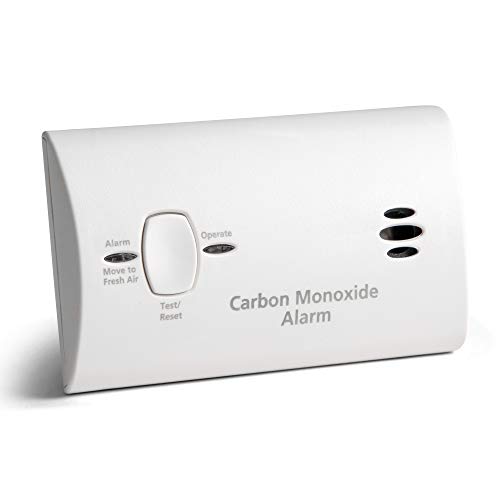


Connecting a heater to a tank kept in an appropriate location means running a hose from that location to the heater’s position in the room. Plan this route before buying a hose-connect kit — routing through a doorway or along a wall needs a hose long enough for the actual layout, and the hose itself shouldn’t run across a high-traffic path where it could be a trip hazard. This is a real planning step that a cylinder-only setup skips entirely, since there’s no hose at all.
Winner by Use Case
Small room, occasional indoor use: Little Buddy (1 lb) — simple, no hose or tank placement to plan around.
Larger room, heater runs regularly all season: 20 lb hose-connect setup — lower cost per hour and far more coverage.
Limited space to keep a larger tank appropriately: 1 lb cylinder-only unit — nothing extra to store or place.
Want to minimize how often you’re buying fuel: 20 lb tank — far fewer refill or exchange trips than repeated 1 lb cylinders.
Uncertain how often you’ll actually use the heater: start with 1 lb cylinders — see our tank guide for the full switch-later breakdown.
Pick the 1 lb Cylinder Setup If…
- You’re heating a small space occasionally, not as a primary heat source.
- You don’t have an appropriate spot to keep a larger 20 lb tank.
- Simplicity matters more than the lowest possible cost per hour.
Pick the 20 lb Hose-Connect Setup If…
- You’re heating a larger room regularly through a full season.
- You have an appropriate location for the tank per the heater’s manual.
- Lower fuel cost per hour matters more than the simplicity of a small cylinder.
Read the Full Reviews
For complete specs and owner-reported detail, see our full Mr. Heater Little Buddy review and our full Mr. Heater 30,000 BTU Vent Free Radiant Heater review. See also our 1 lb vs. 20 lb propane tank guide for the general cost and convenience comparison, and our indoor propane heater guide for sizing help.