

Affiliate disclosure: some links are affiliate links — as an Amazon Associate we earn from qualifying purchases, at no extra cost to you. Full disclosure.
Dura Heat TT-360 Propane 360° Tank Top Heater
Screws directly onto a standard 20 lb propane tank with no wall mounting or fixed line, throwing heat in a full circle around the tank.
Best for: An open garage bay, patio or job site wanting quick setup and teardown
- Sets up and breaks down in minutes, no tools needed
- No wall mounting or fixed installation of any kind
- Portable — move the whole setup by moving the tank
- Outdoor-rated only, not for enclosed indoor spaces
- Entire assembly balances on top of the tank, so placement on level ground matters
- Lower BTU output than the largest wall-mount units
Mr. Heater 18,000 BTU Vent-Free Wall Heater
A fixed, indoor-safe heater mounted to a wall, certified with an oxygen depletion sensor for use in an enclosed room.
Best for: A room needing permanent, unattended-friendly indoor heat
- Certified indoor-safe with an automatic oxygen depletion sensor
- Doesn’t occupy floor space once mounted
- Higher BTU output available for larger rooms
- Requires real wall-mounting and clearance planning
- Not portable once installed
- Needs a fixed gas line or larger tank connection
Spec-by-spec comparison
| Factor | Dura Heat TT-360 Propane 360° Tank Top Heater | Mr. Heater 18,000 BTU Vent-Free Wall Heater |
|---|---|---|
| Mounting | Screws onto a 20 lb tank | Fixed to a wall |
| Rating | Outdoor use only | Indoor-safe, ODS-equipped |
| BTU output | Approx. 12,000 BTU | 18,000 BTU |
| Portability | Fully portable with the tank | Fixed once mounted |
| Setup time | Minutes, no tools | A real installation project |
| Best setting | Garage bay, patio, job site | A permanent room needing heat |
Once you decide a heater will live in one place rather than travel everywhere with you, tank-top and wall-mount are two of the main styles to choose between. They solve very different installation problems. The right pick depends more on where the heater will actually live than on brand or price.
| Product | Best for | Buy |
|---|---|---|
| Dura Heat TT-360 Propane 360-Degree Tank Top Heater | Best for quick outdoor setup | Check Price |
| Mr. Heater 18,000 BTU Vent-Free Radiant Propane Heater | Best for permanent indoor heat | Check Price |

Top 3 Recommended
Zero Installation vs. a Real Wall-Mounting Job
The Dura Heat screws directly onto a standard 20 lb tank’s valve. There’s no wall bracket, no fixed line, no tools required. Set it up in minutes and break it down just as fast. The Mr. Heater wall unit is the opposite. It needs to be mounted to a wall with proper clearance from combustibles, following the manual’s specific measurements. That’s a real project, not a five-minute setup. But it buys a fixed, out-of-the-way heat source that doesn’t take up floor space.
Indoor-Safe vs. Outdoor-Only
This is the biggest functional difference between the two. The Dura Heat is rated for outdoor use only, with no oxygen depletion sensor. It’s built for open-air settings like a garage bay with the door up or a patio. The Mr. Heater wall unit is certified indoor-safe with an ODS specifically so it can run in an enclosed room. Using the tank-top heater indoors would skip the entire safety engineering that makes the wall unit appropriate for that setting.
Portability: Move the Tank, Move the Heater
The Dura Heat’s entire body sits on top of the tank. That means moving the heater is as simple as moving the tank itself, with no disassembly required. That’s a genuine plus for a job site or a seasonal setup you take down and store between uses. The wall-mount heater, once installed, stays exactly where it is. Moving it means a real reinstallation, including new clearance checks at the new spot.
Stability Considerations for Each
The tank-top heater’s whole weight rests on the tank. That means placing the tank on level, solid ground matters more here than for almost any other heater style. Soft ground, gravel or uneven decking all raise the risk of a tip-over. The wall-mount heater has no such concern once properly mounted, since its weight is carried by the wall bracket rather than balanced on a portable base.
Cost and Long-Term Ownership


The Dura Heat typically costs less upfront and needs no installation labor at all, so the total cost of ownership starts and mostly ends with the heater’s own price. The Mr. Heater wall unit costs more once you factor in mounting hardware and, in some cases, professional installation help. Over time, though, a fixed indoor heater used regularly through a season can be the more practical choice, since it’s built for exactly that kind of sustained, unattended-friendly use rather than the quick setup and teardown the tank-top model is designed around.

Winner by Use Case
Job site, quick setup and teardown: tank-top — no tools, no installation, move it with the tank.
Permanent heat for a bedroom or workshop: wall-mount — the ODS certification is required for indoor use.
Seasonal patio or garage-bay heat: tank-top — store it away easily when the season ends.
Renting, want a fixed heat source that doesn’t occupy floor space: wall-mount, if the landlord allows the installation.
Uneven or soft ground where the heater will sit: wall-mount — no tank-stability concern once it’s on the wall.
Pick Tank-Top If…
- You want a heater that sets up and breaks down in minutes.
- Your space is outdoor or semi-outdoor — a garage bay, patio or job site.
- Portability between locations matters more than a fixed installation.
Pick Wall-Mount If…
- You’re heating an enclosed indoor room and need ODS certification.
- Floor space is at a premium in the room you’re heating.
- You want a fixed, unattended-friendly heat source that doesn’t need to move.
Maintenance Over Time
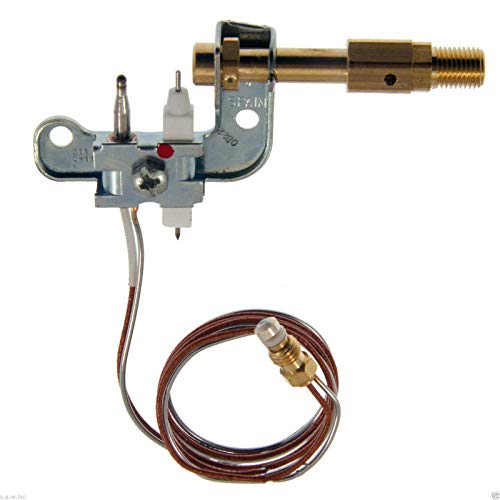
A tank-top heater’s simplicity carries into upkeep. There’s little more to check than the burner and the connection to the tank valve before each use. A wall-mount heater needs a bit more seasonal attention, including a look at the ODS pilot assembly and the clearance area around it, since it’s meant to run for longer, less-supervised stretches than a tank-top unit typically does. Neither is high-maintenance, but the wall-mount unit’s role as a primary indoor heat source calls for slightly more regular attention.
Read the Full Reviews
For complete specs and owner-reported detail, see our full Dura Heat TT-360 review and our full Mr. Heater 18,000 BTU Vent-Free Wall Heater review. For a brand-vs-brand look within the tank-top category specifically, see our tank-top heater brand comparison, or the full wall-mount, cabinet and tank-top heater guide.