
Affiliate disclosure: some links are affiliate links — as an Amazon Associate we earn from qualifying purchases, at no extra cost to you. Full disclosure.
Amazon runs Prime Day twice a year, in July and again in October, and propane heaters show up in both events even though the July date falls outside the obvious cold-weather shopping season. This guide is not a live deal tracker — we do not publish specific prices or claimed discount percentages, since those change constantly during a live event. Instead, it covers what to actually look for: which categories tend to see the most competitive pricing, what a fair price range looks like, and how to avoid the fake-discount tricks that show up around any major shopping event. Every pick below comes from aggregated owner reviews and manufacturer specs.
Why Prime Day Even Includes Heaters in July
It seems like an odd fit at first. July is nowhere near heating season for most of the country. In practice, RV, camping, and off-grid buyers shop for heaters ahead of fall trips well before the cold sets in. Amazon uses Prime Day to move inventory across categories regardless of season. The October event lines up more directly with typical cold-weather shopping, which makes it the busier of the two events for most heater categories.
Prime Membership Is Required
Prime Day pricing is restricted to Prime members, which is worth knowing before you plan around a specific listing. If you are not already a member, weigh a trial membership’s cost against the size of the actual savings on the specific heater you want.
Which Categories Typically See the Most Competitive Pricing
Amazon’s own best-selling models tend to see the most aggressive Prime Day pricing. This is especially true in the indoor-safe radiant category. Amazon has the most first-party sales data on exactly what moves during a big event, and it prices those top sellers accordingly. Niche or lower-volume categories see less consistent movement.
Realistic Price Expectations by Category
Without quoting numbers that will be outdated by the time you read this, the rough shape holds steady across events. Compact radiant heaters and single-cylinder models sit at the low end. Mid-size indoor-safe heaters sit a step up. Forced-air construction heaters and bundled hose-and-regulator kits sit at the top. The "Check Price" button on any listing shows the real current number.
Watch Out for Lightning Deals and Their Timers
Amazon’s Lightning Deals run on a countdown timer with limited stock. That creates real pressure to buy fast. This is exactly why it pays to know your target BTU size and heater type before Prime Day starts, rather than deciding under a ticking clock.
Deciding Between the July and October Events
If your need is not urgent, it can be worth waiting for whichever of the two annual events lines up better with your actual timeline. A camper planning a fall trip gets more value out of the July event, while someone winterizing a garage is better served waiting for October. Buying too far ahead of when you will actually use a heater just adds months of storage before it earns its keep.
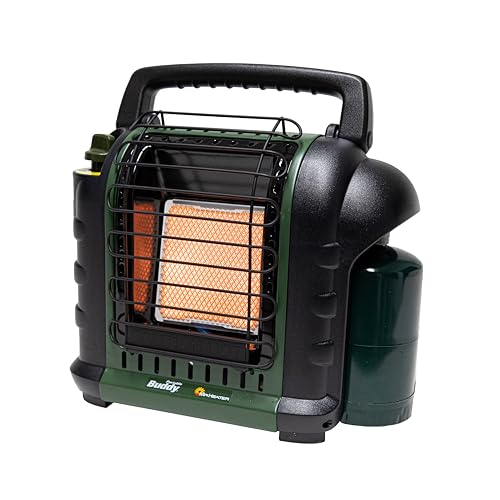
Best for The single most-recommended indoor-safe heater for general use
- Oxygen depletion sensor and low-oxygen auto shutoff
- 4,000–9,000 BTU adjustable output
- Runs on a 1 lb cylinder or hose to a 20 lb tank
Why buy it: As Amazon’s own event, Prime Day tends to spotlight the platform’s highest-selling models first, and the standard Buddy heater is consistently one of the best-selling propane heaters on Amazon.

Best for A tent, ice shanty, or small enclosed space
- 3,800 BTU output
- Indoor-safe with oxygen depletion sensor
- Runs on a single 1 lb cylinder
Why buy it: A budget-friendly entry point into the indoor-safe category, which makes it a frequent pick during a high-traffic event like Prime Day.

Best for A garage or workshop needing adjustable high-output heat
- Adjustable output from about 120,000 to 150,000 BTU
- Continuous electronic ignition
- Cart-style frame with wheels
Why buy it: A long-running best-seller in the forced-air category, and one of the more frequently discussed picks in Prime Day heater roundups across the web.

Best for First-time forced-air buyers who need the hose and regulator included
- 150,000 BTU output
- CSA certified
- 11 ft hose and regulator included
Why buy it: Bundled listings like this one are worth comparing directly against buying the heater and accessories separately during a high-volume event like Prime Day.

Best for A small RV, camper, or off-grid cabin
- 3,000 BTU catalytic burner
- Silent operation, no fan or pilot light
- Portable or permanent wall-mount options
Why buy it: RV and off-grid gear sees steady interest during both the July and October Prime Day events, tied to summer and shoulder-season travel planning.
How to Spot a Genuine Prime Day Deal vs. a Fake Markdown
A price-history tool that tracks a listing over the months leading up to the event is the most reliable way to confirm a Prime Day price is a real drop, not a briefly inflated "list price" set right before the event to make the markdown look bigger than it is.
Watch Third-Party Sellers Closely
Some Prime Day listings for a given model are sold and shipped by a third-party seller rather than Amazon directly. Pricing, condition, and return handling can differ meaningfully between the two. Check who is actually fulfilling a specific listing before assuming it works exactly like an Amazon-sold item.
Reading the Full Listing Before You Click Buy
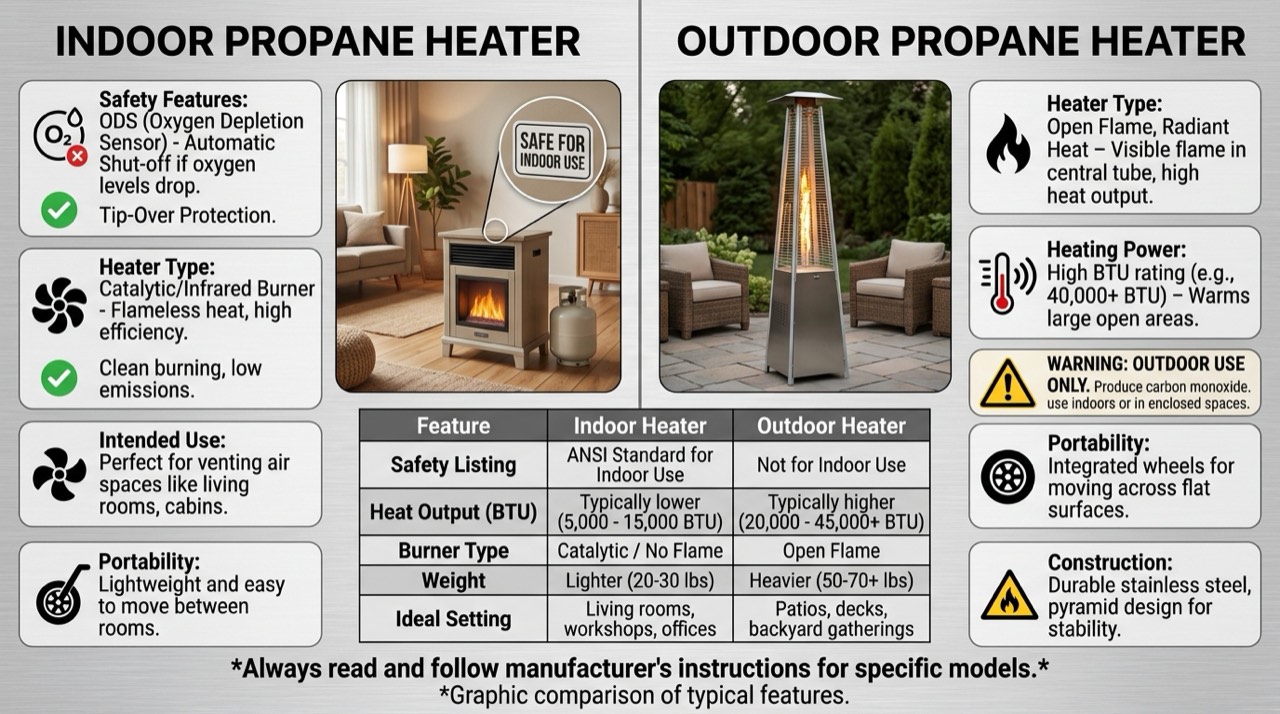
A deep Prime Day discount on a heater with the wrong certification, output, or fuel connection for your needs is not a good deal, no matter how big the percentage looks. Check whether a model is indoor-safe or outdoor-only, and confirm what accessories actually ship in the box, before adding it to your cart. Our what makes a propane heater indoor-safe answer covers the certification to look for.
Comparing Prime Day to Other Sale Events
Prime Day pricing is not automatically better than what the same model sees during Black Friday or a winter clearance sale. Each event tends to spotlight slightly different categories, and a heater passed over during one event sometimes sees a deeper markdown during another. If you are not in a rush, it can pay to compare a specific model’s history across more than one sale window.
Why Stock Can Run Out Fast During a Short Event
Unlike a multi-week seasonal sale, Prime Day runs for a fixed, short window, and popular models can sell out of a specific size well before the event ends. If your first-choice heater goes out of stock, a close alternative from the same brand is usually a safer backup than an unfamiliar model chosen purely because it is still available.
Checking Return Policies Before You Buy
Confirm the specific return window on any heater bought during Prime Day, since a July purchase in particular may sit unused for months before you actually test it against real cold weather.
Registering Your Purchase
Register any newly bought heater with the manufacturer and hold onto the order confirmation. A warranty claim moves faster with a documented purchase date, which is easy to lose track of months after a summer Prime Day order.
Accessories Worth Adding to a Prime Day Order
A tank gauge, a spare hose, or a battery-backed carbon monoxide detector often see their own Prime Day pricing alongside the heaters themselves, and adding them to the same order saves a separate shipment later. See our carbon monoxide detector roundup for specific picks.
The Bottom Line
Prime Day can be a genuinely good window to buy a propane heater, especially for Amazon’s own best-selling models, but a Prime membership is required and third-party listings need a closer look than an Amazon-sold item. Know your target size and type ahead of time, and check price history before trusting any "list price."