
Affiliate disclosure: some links are affiliate links — as an Amazon Associate we earn from qualifying purchases, at no extra cost to you. Full disclosure.
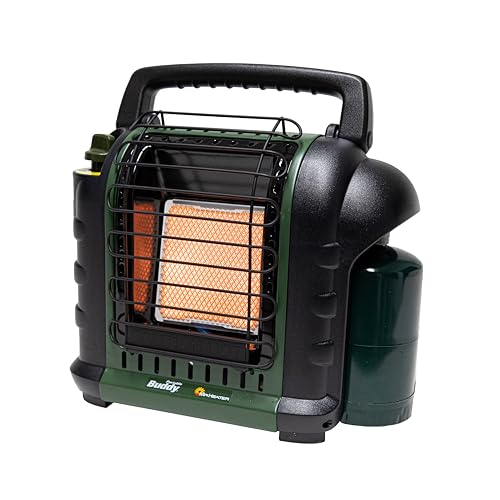
The Portable Buddy, sometimes sold as the Buddy FLEX, is the mid-size model in Mr. Heater’s lineup: a single burner with a low/high dial, running 4,000 to 9,000 BTU (or up to 11,000 on the FLEX). Its extra control adds one specific thing to check beyond the basics shared across the whole Buddy line.
Step 1: Start on Low, Not High
A very common mistake is trying to light the heater with the dial already set to high. Turn the dial to low first, complete the full lighting sequence, then step up to high only once the pilot and main burner are both running steadily. Attempting to light directly on high can make an otherwise normal unit seem like it "won’t light."
Step 2: Check for an Excess-Flow Lockout
Did this happen right after connecting a fresh cylinder or hose to a 20 lb tank? Turn the heater’s knob fully off, disconnect the fuel source, wait about 30 seconds, then reconnect and let fuel flow in slowly. This resets the swivel regulator’s excess-flow safety feature, the most common Buddy-series lighting complaint.
Step 3: Confirm the Cylinder or Hose Connection
The Portable Buddy can run on either a direct-mounted 1 lb cylinder or, with the optional hose kit, a 20 lb tank. Confirm whichever connection you’re using is fully seated. A cylinder that’s cross-threaded, or a hose fitting that’s only hand-tight when it needs a bit more, won’t deliver fuel reliably even though it looks connected.
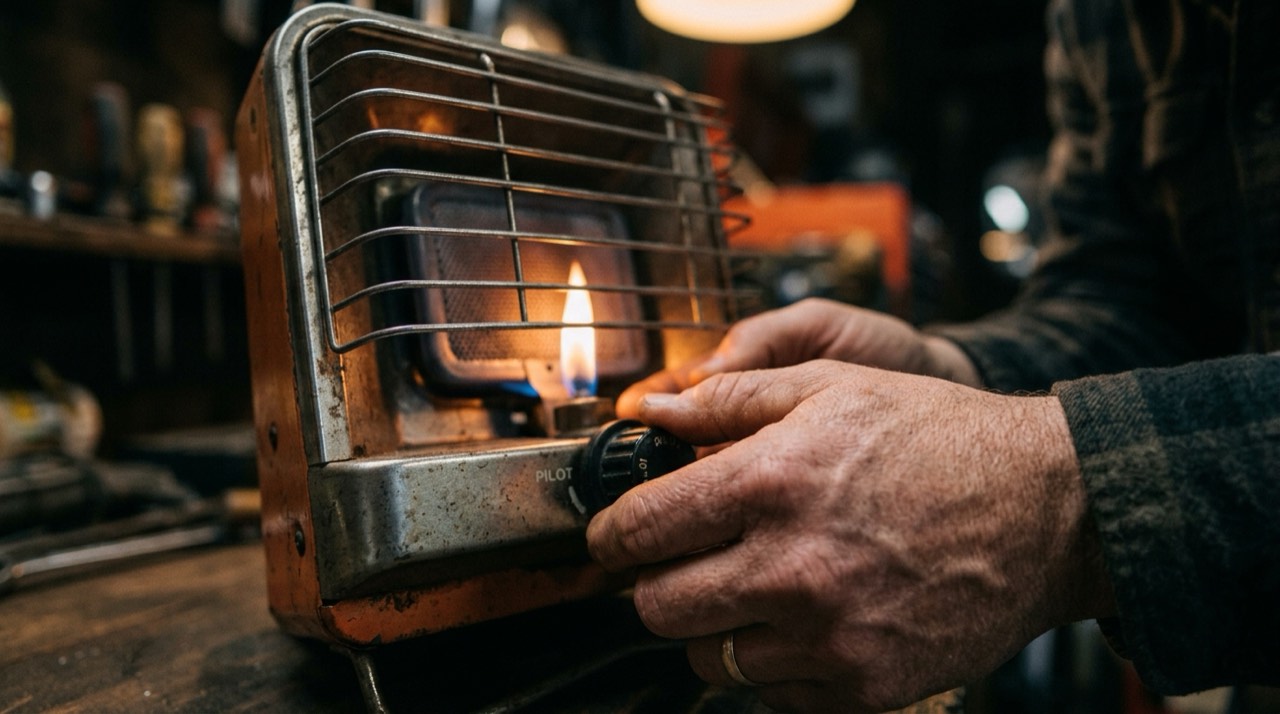
Step 4: Hold the Knob the Full Time
After the pilot catches, continue holding the control knob in for the time your manual specifies, commonly 30 to 60 seconds, before releasing. Releasing early is one of the most common causes of a flame that seems to light and then immediately dies.
Step 5: Check for Cold-Weather Pressure Loss
If you’re running on a 1 lb cylinder specifically, cold weather can reduce vapor pressure enough to make lighting unreliable, even with fuel remaining. Warming the cylinder to room temperature, never with direct heat, usually resolves this. Running on a 20 lb tank via the hose kit is less affected by this, since a larger tank holds more thermal mass.
Step 6: Inspect the Burner for Debris
Dust or insect debris in the burner or venturi tube causes the same ignition problems on the Portable Buddy as any other model, especially after storage. See our burner cleaning guide for the safe steps.
Does the Dial Position Affect the ODS Sensor?
No. The oxygen depletion sensor operates independently of the low/high dial and monitors room air regardless of which setting you’re running. If the heater lights fine on low but then shuts off after a while on either setting, that points to ventilation, not the dial position. Our shuts-off-by-itself guide covers this separately.
Using the Hose Kit vs. a Direct 1 lb Cylinder
Switching from a direct-mounted cylinder to the hose-and-regulator kit for a 20 lb tank changes which regulator is actually doing the excess-flow job — the hose kit’s own regulator, not the heater’s built-in swivel regulator. If lighting problems started right after switching setups, that swap is the first thing to double check, including confirming the hose kit’s regulator is rated for the heater’s BTU output.
What a Successful Light Should Look Like
On low, expect a modest, even blue flame across the ceramic panel within a few seconds of release. Stepping up to high should visibly grow that same flame without any hesitation, sputtering or delay. A flame that grows unevenly, brighter on one side of the panel than the other, points toward a burner-cleaning issue rather than the fuel or ignition path covered above.
Is the Buddy FLEX Different From the Standard Portable Buddy?
The Buddy FLEX shares the same core lighting mechanism and low/high dial as the standard Portable Buddy, with a slightly higher maximum output (up to 11,000 BTU) and a different swivel-regulator design that lets it sit flat rather than upright. All the troubleshooting steps on this page apply to both models equally. If your specific issue seems tied to the FLEX’s flat-sitting design specifically, double-check that the unit is resting fully level, since an uneven surface can affect fuel flow to the burner slightly differently than it does on the upright standard model.
What If It Lit Fine Yesterday but Not Today?
A Portable Buddy that lit without issue on a previous use, then suddenly won’t light with nothing else obviously different, usually points to one of two things: the cylinder ran out or got noticeably colder overnight, or a connection got slightly loosened during transport or storage between uses. Recheck the connection and fuel level before assuming anything has actually failed, since these two causes account for the large majority of day-to-day inconsistency reports.
Switching Between the Cylinder and the Hose Kit
Going back and forth between a direct-mounted 1 lb cylinder and the 20 lb tank hose kit, rather than sticking with one setup, adds an extra connection point that can loosen or wear over repeated swaps. If you switch setups frequently, inspect both connection points each time rather than assuming whichever one you used most recently is still seated the way you left it.
Checking the Ceramic Burner Panel
A cracked or chipped radiant panel, most often from a drop or hard knock during transport, can occasionally affect how evenly the burner lights even when fuel and ignition are both working correctly. A quick visual inspection of the panel surface is worth doing on a unit that’s traveled a lot or been handled roughly before assuming the cause lies elsewhere.
A Portable Buddy That Still Won’t Light
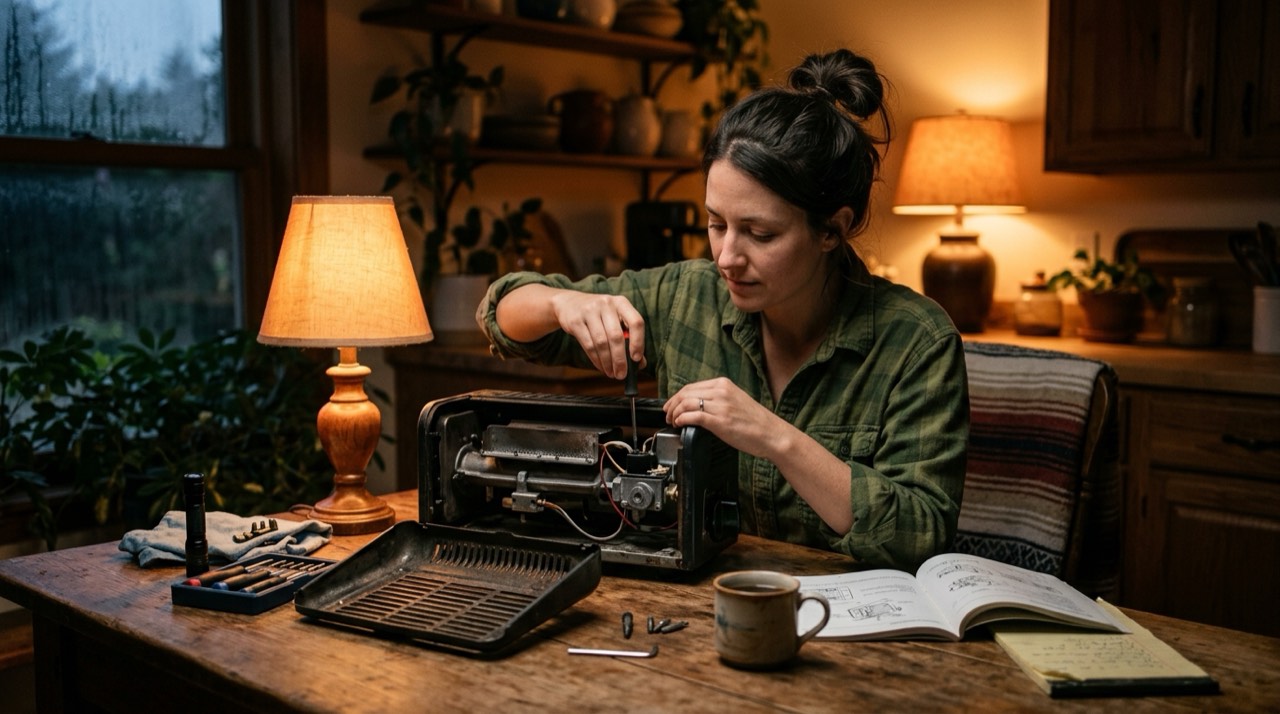
Have you started on low, reset a possible regulator lockout, confirmed the connection, held the knob the full time, and ruled out cold weather and burner debris? A failed ODS pilot assembly or igniter is the remaining likely cause. Our DIY vs. replace guide covers whether a repair or a replacement makes more sense at that point.