
Affiliate disclosure: some links are affiliate links — as an Amazon Associate we earn from qualifying purchases, at no extra cost to you. Full disclosure.
A propane heater is worth it for some situations and a poor fit for others. The honest answer depends on where you’d use it, how often, and what alternative you’re actually comparing it against. Here’s a straight breakdown.
Top 3 Recommended
Worth It If...
- You need heat somewhere without electricity or gas lines — a garage, job site, tent, or off-grid space where a space heater or furnace simply isn’t an option.
- You want portable, on-demand heat rather than a fixed installation, and you’re willing to manage fuel (tanks or cylinders) as part of that trade-off.
- You use the space occasionally, not constantly — a propane heater’s upfront cost is usually lower than installing central heating in a space you only use part of the year.
- You’ve confirmed the safety fit for your space — an indoor-safe, ODS-equipped model for enclosed use, or an outdoor-only model kept strictly outdoors. See our indoor-safe vs. outdoor-only guide before buying.
Not Worth It If...
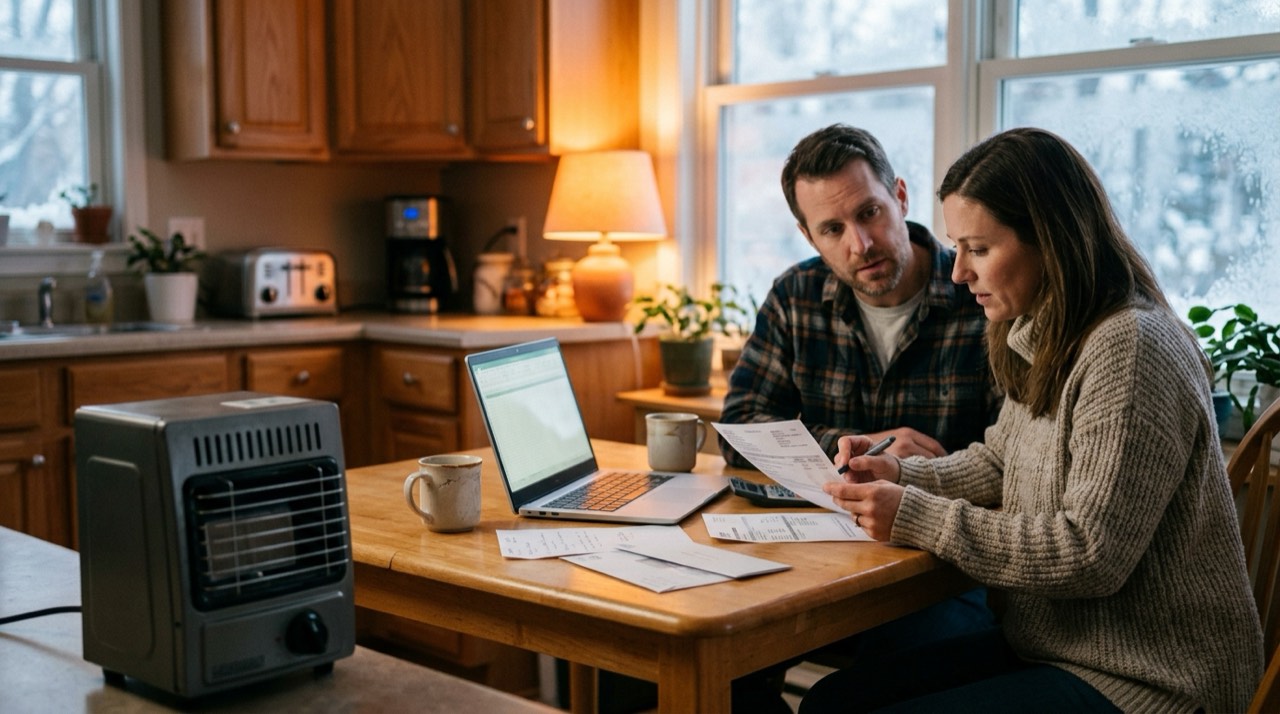
- You already have central heating in the space and are just looking to supplement it — the running cost rarely beats what you’re already paying for, once you factor in buying a heater plus ongoing fuel. See our running cost comparison guide for the numbers.
- You want to run it constantly, unattended, in a small enclosed space — most portable models aren’t designed or rated for that kind of continuous, unsupervised use, regardless of BTU rating.
- You’re not willing to manage fuel logistics — refilling or exchanging tanks, storing cylinders safely, checking hoses each season. A propane heater genuinely takes more day-to-day management than flipping a thermostat.
- Your space can’t meet basic ventilation or clearance requirements — if there’s no way to safely position or ventilate a heater in the space you have in mind, that’s a real reason to look at a different heat source rather than working around it.
How It Compares to Electric Space Heaters
Electric space heaters need no fuel management and no ventilation planning, which makes them simpler for most indoor household use. Propane heaters generally put out more heat per dollar of upfront unit cost, and they work in a power outage or somewhere without electrical outlets, which an electric heater fundamentally can’t do. If you have reliable power and a standard indoor room, electric is often the simpler choice. If you need heat somewhere without power, propane is the only option between the two.
How It Compares to a Home’s Central Heating
Central heating wins for whole-structure comfort and hands-off operation, but it’s not portable and not an option in a detached garage, tent, or job site without its own heating system. A propane heater fills that specific gap rather than competing directly with central heat in a space that already has it. Our cost comparison guide breaks down the actual dollar difference for a space that could plausibly use either.
Is It Worth It for Emergency Preparedness?


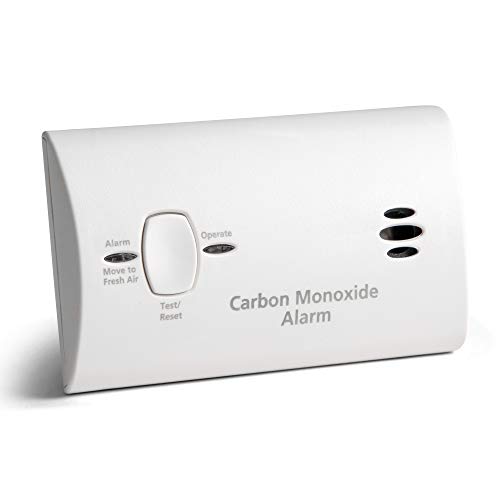

An indoor-safe, ODS-equipped propane heater is a reasonable addition to an emergency kit. It works when the power grid doesn’t. It needs no batteries beyond an igniter. That said, buy it with that use case in mind before an emergency happens, not during one. Confirm the specific model’s indoor rating ahead of time. Test it once under normal conditions so you know it works. Store fuel safely and check it periodically. Treat it as one part of a broader plan, not a standalone fix. Pair it with proper ventilation and a working carbon monoxide detector, no matter how urgent things feel in the moment.
Total Cost of Ownership, Not Just the Unit Price
The heater’s sticker price is only part of what it costs to own. Fuel is an ongoing cost, whether you buy disposable cylinders or refill a tank. A hose-and-adapter kit adds to the total. So does a carbon monoxide detector, and occasional replacement parts like a hose or thermocouple. None of these individually changes the buy-or-don’t-buy decision by much. Added together, they give a more honest total than the sticker price alone. That matters most when you’re comparing a propane heater against an electric option with no ongoing fuel cost at all.
Buying New vs. Used
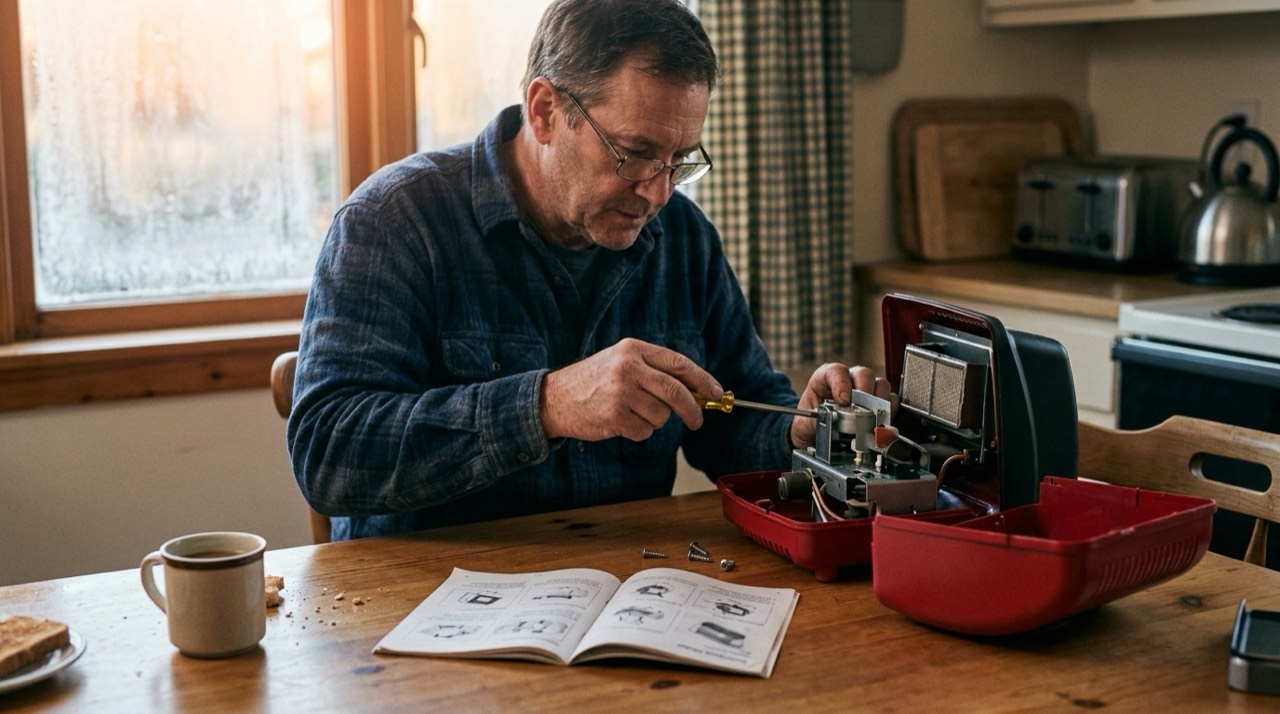
A used propane heater can be a reasonable way to save money, provided you can verify its safety features still work. Check that the tip-over switch responds when the unit is tilted, and that the oxygen depletion sensor, if the model has one, hasn’t been tampered with or removed. A heater with a cracked hose, a damaged regulator, or a missing safety component is not a bargain at any price, since the parts and labor to fix it safely can cost more than buying new. If you can’t verify a used unit’s safety features are intact, buying new from a retailer with a return policy is the safer call.
How Long Should You Expect One to Last?
A well-maintained portable propane heater, stored properly and inspected each season, can reasonably last a decade or more of regular use, with the occasional replacement part like a hose or thermocouple along the way. That lifespan assumption matters for the worth-it calculation, since it spreads the upfront unit cost across many years of use rather than a single season. A heater bought for one specific trip or job and rarely used again has a different cost-per-use math than one that becomes a regular part of how you heat a garage or workshop every winter.
Insurance and Landlord Considerations
Worth checking two things most buyers skip before deciding a propane heater is worth it for their situation: a rental agreement and a homeowner's or renter's insurance policy. Many leases explicitly restrict or ban open-flame or combustion appliances inside a unit, garage or storage area, regardless of how the heater is rated — a clause that has nothing to do with the heater's actual safety and everything to do with what the property owner is willing to accept as liability. Ask before buying rather than after a heater is already in the garage, since a violation discovered later can mean removal on short notice or a lease dispute over damage from an incident that wouldn't have happened with permission and proper placement.
On the insurance side, a homeowner's policy generally doesn't require notifying an insurer about a portable propane heater the way it might for a permanent gas appliance installation, but that changes if a heater is involved in a fire or carbon monoxide incident and the claim goes to review. An insurer can ask whether the heater was used according to its labeling — indoors versus outdoors, with the clearances the manual specifies — and a clear answer protects a claim more than an unclear one. None of this changes whether a propane heater is the right tool for a given space, but it's part of the total picture that a sticker price alone doesn't cover, and it's worth five minutes of checking before the heater arrives rather than after something goes wrong.
The Honest Verdict
A propane heater is a strong choice for portable, supplemental or off-grid heat — garages, job sites, camping, hunting, RVs — where the alternative is no heat at all, or a fixed installation that doesn’t make sense for occasional use. It’s a weaker choice as a primary heat source for a space that already has central heating, or for anyone unwilling to manage fuel and safety basics as part of ownership. Match the heater to the actual gap it needs to fill, rather than deciding based on price alone.
Propane Run-Time Calculator
Estimate how long a tank will last. Real-world run time varies with weather, altitude and burner setting.