

Affiliate disclosure: some links are affiliate links — as an Amazon Associate we earn from qualifying purchases, at no extra cost to you. Full disclosure.
A diesel parking heater looks simple from the outside — a small metal box with a fuel line, a power cord, and a duct. Inside, it runs a genuinely engineered combustion cycle. Here’s the full process, from cold start to shutdown.

Top 3 Recommended
The Core Design: Sealed Combustion
The heart of a diesel heater is a sealed combustion chamber. Fuel burns inside this chamber, completely separate from the air in your vehicle or room. A heat exchanger wraps around the chamber. Fresh air blows across the outside of the exchanger, picks up heat, and gets pushed into the space you’re heating. The exhaust from combustion never mixes with that fresh air. It vents outside through its own separate pipe.
Step One: The Glow Plug Preheats
When you start the heater, a glow plug inside the combustion chamber heats up first. This takes a short warm-up period, often 30 to 90 seconds, before ignition happens. The glow plug’s job is to get hot enough to ignite the fuel-air mixture reliably, similar in concept to a spark plug in a gas engine, though it works by heat rather than a spark.
Step Two: Fuel Delivery Begins
A small fuel pump draws diesel from the tank in metered pulses. You can often hear this as a faint clicking sound during startup. The pump delivers fuel to the combustion chamber at a rate matched to the heater’s current output setting. Higher settings pull more fuel per pulse; lower settings pull less.
Step Three: Ignition and Combustion Ramp-Up
Once the glow plug is hot enough, the fuel ignites. The controller ramps combustion up gradually rather than firing at full output immediately. This gradual ramp protects the heat exchanger from thermal shock and gives the combustion process time to stabilize into a clean, complete burn.
Step Four: The Combustion Fan and Airflow
A small combustion fan, separate from the main heating fan, supplies air directly to the flame inside the sealed chamber. This fan runs continuously while the heater operates, maintaining the correct air-to-fuel ratio for clean combustion. Without it, the flame would starve for oxygen and produce excess soot.
Step Five: Heat Exchange and the Main Blower
As the combustion chamber heats up, the main blower fan pushes room or cabin air across the heat exchanger’s outer surface. This is the air that actually reaches you — it never touches the flame or the exhaust gas directly. The blower speed adjusts automatically based on how hot the exchanger is running and the thermostat setting you’ve selected.
Step Six: Thermostatic Control
Once the space reaches your set temperature, the controller reduces fuel delivery rather than shutting off completely on most models. This keeps the heater in a low, steady-burn state, ready to ramp back up the moment temperature drops. Some units cycle fully off and restart instead, depending on the specific controller design.

Step Seven: Exhaust Venting
Combustion byproducts exit through a dedicated exhaust pipe, routed completely outside the vehicle or structure. This exhaust never enters the heated air stream. It’s a fully separate path from intake to output. Correct routing here is the single most safety-critical part of the whole system. See our exhaust venting requirements guide for the full rules.
Step Eight: Shutdown and Cool-Down
When you turn the heater off, it doesn’t stop instantly. Fuel delivery cuts first, but the combustion fan keeps running for a short cool-down period, often a few minutes. This clears any remaining fuel and cools the combustion chamber gradually, protecting internal components from the thermal stress of an abrupt stop.
Self-Diagnostic and Error Codes
Most modern diesel heaters run continuous self-checks during operation, monitoring fuel pump function, combustion chamber temperature, and fan speed. When something falls outside expected ranges, the controller displays a numeric error code rather than just failing silently. This is genuinely useful for troubleshooting, since the code usually points to a specific subsystem rather than leaving you guessing.
Why This Design Differs From a Propane Heater
A propane heater burns fuel directly in the air you’re breathing, with no sealed chamber and no separate exhaust path. That’s simpler mechanically, and it’s why a portable propane heater needs no installation at all. A diesel heater’s sealed-combustion design is more complex to build and install, but it lets the heater run inside an occupied space with combustion happening in genuine isolation from the air people breathe.
Why the Startup Sequence Takes Time
The multi-step startup — glow plug preheat, gradual fuel ramp, combustion stabilization — exists because rushing any of these steps produces incomplete combustion. Incomplete combustion means more soot, more carbon monoxide relative to heat output, and faster wear on internal components. A heater that starts slowly is following its design correctly, not malfunctioning.
How the Heat Exchanger Is Built
The heat exchanger is usually a metal chamber with internal fins or channels that increase surface area. More surface area means more heat transferred to the passing air per second. Over years of use, carbon deposits inside the exchanger can reduce this efficiency slightly. Periodic cleaning, covered by most manufacturers in their maintenance schedule, restores it closer to original performance.
What Happens During a Power Interruption
Since the fan, fuel pump, and controller all run on 12V or 24V electrical power, a sudden loss of that power stops the heater immediately, mid-cycle. Most units are designed to fail safely in this scenario, cutting fuel delivery even without a clean shutdown sequence. Still, a sudden power loss is harder on the components than a normal shutdown, which is part of why a stable power connection matters for long-term reliability.
Why It’s Called a "Parking" Heater
The term comes from the trucking industry. Long-haul drivers use these heaters to stay warm during rest stops without idling the truck’s main engine. That’s the original use case. The same core design now heats vans, RVs, boats, and garages. The name stuck even as the use case expanded well beyond parked trucks.
How the Fuel Pump’s Clicking Rate Changes
Listen closely and you’ll notice the fuel pump’s clicking speeds up or slows down as the heater adjusts output. A faster click rate means more fuel pulses per minute, matching a higher output setting. A slower rate means the heater has throttled back, often after reaching your set temperature. This is a genuinely useful diagnostic sound once you know what it means.
What the Digital Display Actually Shows
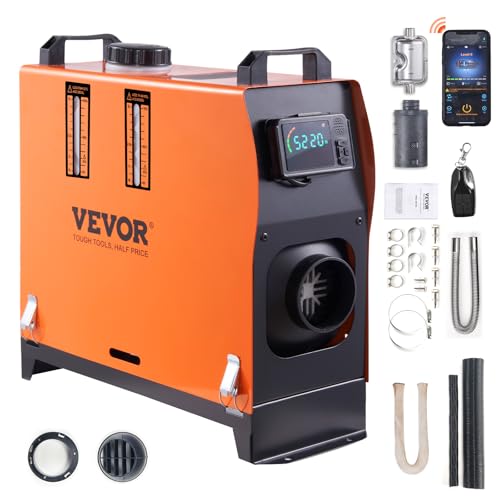
Most diesel heaters include a digital display showing current temperature, output level, and any active error code. Some also show voltage from the power source and an estimated fuel level. Checking this display periodically, rather than only when something seems wrong, helps you catch a developing issue — like a slowly dropping voltage — before it becomes a failure to start.
Why the Combustion Chamber Stays Sealed for Life
The combustion chamber is welded or sealed at the factory and is not meant to be opened for routine maintenance. This keeps the sealed-combustion design intact for the life of the unit. If a heater’s combustion chamber ever needs to be opened, that is a sign of a serious failure, and replacing the heater is usually more practical than attempting a chamber repair.
The Bottom Line on How These Heaters Work
A diesel heater’s core trick is keeping combustion and breathable air completely separate while still transferring the heat between them efficiently. Every step in the cycle — preheat, ignition, ramp-up, thermostatic control, cool-down — exists to make that separation reliable and the combustion clean. Understanding this sequence makes troubleshooting far more intuitive when something eventually does go wrong.