
Affiliate disclosure: some links are affiliate links — as an Amazon Associate we earn from qualifying purchases, at no extra cost to you. Full disclosure.
Ventilation requirements are not the same for every propane heater, and getting this wrong is a genuine safety issue, not just a comfort question. Here is what actually matters.
Top 3 Recommended
Indoor-Safe Radiant Heaters: Ventilation Is Still Recommended
A radiant heater with a certified oxygen depletion sensor, like the Mr. Heater Big Buddy line, is rated to run in an enclosed garage with the door closed. Manufacturers still recommend cracking a window or the door slightly for general air quality. The sensor provides a safety backstop either way. This is a comfort recommendation, not a strict safety requirement the way it is for a forced-air heater.
Forced-Air Heaters: Ventilation Is Not Optional
A forced-air heater has no oxygen depletion sensor at all. It is rated outdoor-use or well-ventilated-area-only for a specific reason. Without active ventilation, it can produce dangerous carbon monoxide in a sealed space, with no automatic safety shutoff to catch it. This is a hard requirement, not a suggestion. It applies every time you run one of these heaters, not just on days that feel stuffy.
What "Well-Ventilated" Actually Means
Manufacturer manuals for forced-air heaters specify a minimum ventilation requirement. This is often a certain opening size or a fresh-air exchange rate. A garage door cracked "a little" is not the same as meeting this specific number. Check your heater’s manual for the exact figure. Measure your actual door opening against it before running the heater.
Cross-Ventilation for Larger Garages
A single opening on one side of a garage moves less air than two openings on opposite sides. If your garage has a door and a window on separate walls, opening both creates real cross-ventilation instead of relying on one opening alone. This matters more for a larger garage or a higher-BTU forced-air heater, where a single door crack may not move enough air even if it looks adequate.
Ventilation in Cold Weather
The instinct in cold weather is to seal the garage up as much as possible, which works against a forced-air heater’s ventilation needs. Resist the urge to minimize the opening just because it is cold outside. The heater’s ventilation requirement does not change based on outside temperature, and the colder it is, the more tempting it becomes to cut corners on exactly the step that matters most for safety.
What the CPSC Says About Carbon Monoxide From Heaters
The Consumer Product Safety Commission warns that any fuel-burning heater used in an enclosed space without enough fresh air can produce dangerous carbon monoxide. This is true even if the heater itself is functioning normally. It applies specifically to forced-air heaters in a garage setting, since they lack the automatic safety sensor that indoor-safe radiant heaters carry.
How Much to Open the Garage Door
There is no single universal number. It depends on your specific heater’s BTU output and the manual’s stated requirement. As a general practice, open the door enough to create genuine airflow, not just a narrow gap. This is closer to what manufacturers intend than a symbolic crack. When your heater’s manual gives an exact clearance or opening size, follow that number specifically.

Using a Window Instead of the Garage Door
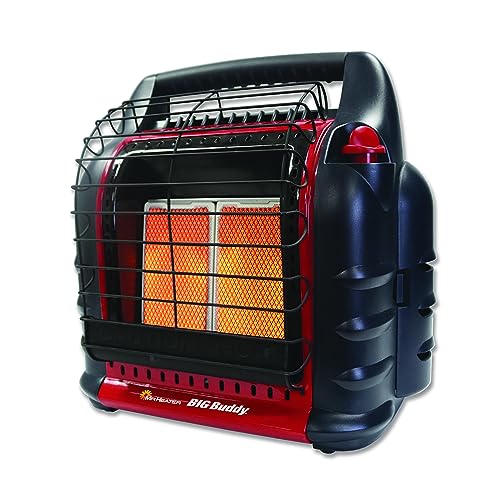
If your garage has a window, cracking it in addition to or instead of the garage door can provide ventilation without losing as much heat through a large door opening. This works best in combination with some door ventilation as well, rather than relying on a single small window opening alone for a higher-output forced-air heater.
Carbon Monoxide Detection as a Backup
Regardless of heater type, a battery-backed carbon monoxide detector in the garage is cheap insurance against a ventilation setup that turns out to be inadequate. Test it periodically and replace batteries on a schedule, the same way you would for a smoke detector. This is a backup, not a substitute for meeting the heater’s actual ventilation requirement.
Signs Ventilation Is Inadequate
A headache, dizziness, or unusual drowsiness while a heater is running are potential warning signs of carbon monoxide exposure. Take them seriously right away. If you or anyone in the garage experiences these symptoms, turn the heater off, get to fresh air, and ventilate the space before returning. This is general safety information, not a substitute for professional medical or safety guidance.
Checking Your Specific Heater’s Requirement
Every forced-air heater manual includes a specific ventilation figure, usually stated as a minimum opening size or fresh-air exchange rate for the model’s BTU rating. Locate this number before your first use, not after. If you no longer have the printed manual, most manufacturers publish it on their support website by model number.
A Practical Way to Estimate Your Door Opening
Most garage doors are roughly 7 feet tall. A door raised 12 inches off the ground creates a noticeably larger opening than it might look like from a quick glance. Measure the actual gap in inches rather than estimating by eye. Compare that figure against your heater’s stated requirement. This takes less than a minute and removes the guesswork from an important safety step.
Double-Checking After Setup
Once the heater is running, do a quick walk-around to confirm the opening has not shifted or been partially blocked by anything stored near the door. A box or tool cart pushed against the opening after setup can quietly reduce the airflow you carefully measured earlier. This is a simple final check worth doing every time, not just the first time.
Ventilation for Multiple Heaters in One Garage
If you run more than one forced-air heater in the same garage, each one’s ventilation requirement still applies individually. Running two heaters does not mean you can split a single opening between them and call it sufficient. Check the combined ventilation need against your actual opening, or use separate openings for each heater if the garage layout allows it.
Ventilation Habits Worth Building
Make checking ventilation a fixed part of your heater startup routine, the same way you would check oil before starting a car. Over a full season, this habit becomes automatic and takes only a few seconds once it is established. Skipping it "just this once" on a cold day is exactly how a real safety step turns into an inconsistent habit.
The Short Version
Radiant heaters with an oxygen depletion sensor can run with the door closed, though some airflow is still smart. Forced-air heaters cannot. They need genuine, measured ventilation every single time, based on the manual’s exact number, not a guess. Add a carbon monoxide detector as backup regardless of heater type. These few habits cover nearly every garage ventilation situation this guide addresses, from a quick tool run to a full day of forced-air heating.
Related Reading
For the full radiant-vs-forced-air decision for garage use, see our garage and workshop heater guide. For the broader indoor safety picture, see our indoor safety guide.