
Affiliate disclosure: some links are affiliate links — as an Amazon Associate we earn from qualifying purchases, at no extra cost to you. Full disclosure.
Every model in the Buddy series — Little Buddy, standard Buddy, Big Buddy, Hunting Buddy and Buddy FLEX — uses the same basic piezo-ignition sequence. The steps below apply across the whole lineup; where a specific model differs, it is noted.
Top 3 Recommended
Before You Light It
- Check the cylinder or tank connection for a tight seal. A loose connection is one of the most common reasons a heater will not hold a flame.
- Confirm you are in a space with airflow — even an indoor-safe, ODS-equipped heater should have a cracked window, door or vent per manufacturer guidance.
- Set the heater on a stable, level surface, away from anything flammable, at the clearance distance stated in the manual.
Step-by-Step Lighting Instructions
- Open the fuel valve on the cylinder or, if hose-connected, at the tank.
- Turn the control knob to the pilot position. On most models this requires pushing the knob in before it will turn.
- Hold the knob in and press the igniter button repeatedly (it is a piezo spark igniter, not a continuous spark) until the pilot flame catches. This can take several presses.
- Keep holding the knob in for the time stated in your manual — typically 30 to 60 seconds — after the pilot lights, before releasing.
- Release the knob slowly and check that the pilot stays lit on its own.
- Turn the knob to your desired heat setting (low or high, where applicable) once the pilot is confirmed stable.
The Most Common Reason a Buddy Heater Won’t Stay Lit
Releasing the control knob before the thermocouple has had enough time to heat up and hold the gas valve open on its own is, by a wide margin, the most common cause of a pilot that lights, then immediately goes out when you let go. The thermocouple is a small safety sensor that needs sustained heat from the pilot flame before it will keep the gas valve open unassisted — releasing too early simply has not given it enough time. Hold longer than feels necessary on your first few attempts.
If the Pilot Won’t Catch at All
Check three things in order. First, confirm the cylinder or tank actually has fuel — an empty or near-empty cylinder is a surprisingly common cause of a "broken" heater. Second, check the connection is fully seated and not cross-threaded. Third, on a heater that has sat unused for a season, a few extra igniter presses are often needed to purge air from the line before gas reaches the pilot.
Lighting Differences by Model
The Little Buddy’s single fixed setting means there is no low/high step after lighting — once the pilot is confirmed lit and held, it runs at its one output level. The Big Buddy’s dual-cylinder design means checking both cylinder connections before lighting, not just one. The Hunting Buddy and Buddy FLEX both follow the identical process to the standard Buddy despite their different housings.
Cold-Weather Lighting
Propane vaporizes less readily in very cold temperatures, which can make ignition slightly harder in sub-freezing conditions, particularly with a 1 lb disposable cylinder that has been sitting outside. Warming a cylinder slightly (in a pocket or a warm vehicle, never near an open flame) before attempting to light can help in genuinely cold weather.
Relighting After the Oxygen Depletion Sensor Trips
If the heater shuts off unexpectedly, check ventilation before assuming a defect — the built-in oxygen depletion sensor is designed to shut the heater off if oxygen levels in the surrounding air drop too low, and it is working correctly, not malfunctioning, when this happens. Ventilate the space, wait a moment, then repeat the standard lighting sequence above.
Switching Between a Cylinder and a Hose-Connected Tank
If you have upgraded to a hose-and-filter kit to run off a larger tank, the lighting sequence itself does not change — only the fuel source behind the valve does. Confirm the hose connection is tight and the tank valve is open before starting the same pilot-ignition steps. See our hose and adapter guide if you have not made this upgrade yet.
What a Yellow or Flickering Flame Means
A steady blue flame is normal. A yellow, orange or flickering flame after the heater has been running for a few minutes can indicate a partially clogged burner or an airflow issue, and is worth addressing before continued use rather than ignoring. It is not part of the normal lighting process and should not appear once the heater is properly lit and warmed up.
Safety Reminders During Lighting
Never attempt to light a heater that smells strongly of gas before you have even pressed the igniter — turn off the fuel supply, ventilate the area, and check for a leak with a soapy-water test before trying again. Keep your face and hands a reasonable distance from the burner during ignition attempts, since the pilot can catch with a small flare on the first successful press.
How Many Igniter Presses Is Normal?
A fresh heater with a full cylinder usually lights within three to five presses. A heater that has sat unused for months, or one running low on fuel, can take ten or more presses before the pilot catches. This is normal, not a sign of a broken igniter. If it takes well over fifteen presses with no result at all, move on to checking the connection and fuel level rather than continuing to press the same button.
Testing the Igniter Separately From the Gas Supply
You can check whether the piezo igniter itself is working by listening and watching for a spark at the burner tip with the fuel valve closed. A visible spark with no gas flowing confirms the igniter is fine and any lighting problem is on the fuel side, not the ignition side. No spark at all, even with a fresh battery-free piezo mechanism, points to a worn or damaged igniter that may need replacement.
What a Clicking Sound With No Flame Means
A clicking sound from the igniter with no flame catching almost always means the spark is firing correctly but gas is not reaching the pilot in enough volume. Check that the fuel valve is fully open, the cylinder is not empty, and the connection is properly seated. This combination — good spark, no flame — is one of the most commonly reported lighting issues across the whole Buddy lineup, and it is rarely the igniter itself at fault.
When to Stop Trying and Check for a Problem
If a heater will not light after checking fuel level, connection, and igniter function individually, stop and inspect the pilot assembly for visible debris or damage before continuing to attempt ignition. Repeatedly pressing the igniter into an unresponsive system wastes the cylinder’s remaining fuel and does not fix an underlying mechanical issue. Our troubleshooting and repair guide covers specific fixes once basic lighting steps have been ruled out.

Practice Before You Need It
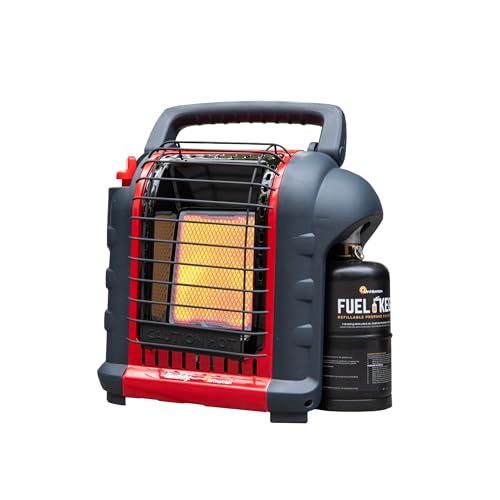
Light a new Buddy heater at least once at home, in good lighting and with no time pressure, before relying on it in a tent, blind or garage in genuinely cold conditions. Familiarity with the exact feel of your specific unit’s knob and igniter makes a real difference when you are lighting it with cold hands in the field.