
Affiliate disclosure: some links are affiliate links — as an Amazon Associate we earn from qualifying purchases, at no extra cost to you. Full disclosure.
A heater that lights normally and stays lit, but produces noticeably less heat than it used to, is a different problem from anything covered in our lighting or staying-lit guides. Here’s what causes reduced output specifically, ranked by how often it’s the actual cause.
Cause 1: Low or Cold Fuel
This is by far the most common cause. A tank running low delivers less pressure, and pressure translates directly to flame size and heat output. Cold weather compounds this, since cold reduces a cylinder’s vapor pressure even with fuel remaining by weight. Our low-fuel symptoms guide covers how to check without a gauge.
Cause 2: The Dial Isn’t Actually on High
An easy thing to overlook: confirm the low/high dial is actually turned to high, not just partway. On some models the dial has a wider range of motion than the actual low and high stops, and a knob that isn’t turned fully can sit in an intermediate position that looks like high but isn’t.
Cause 3: A Dirty Burner or Blocked Venturi Tube
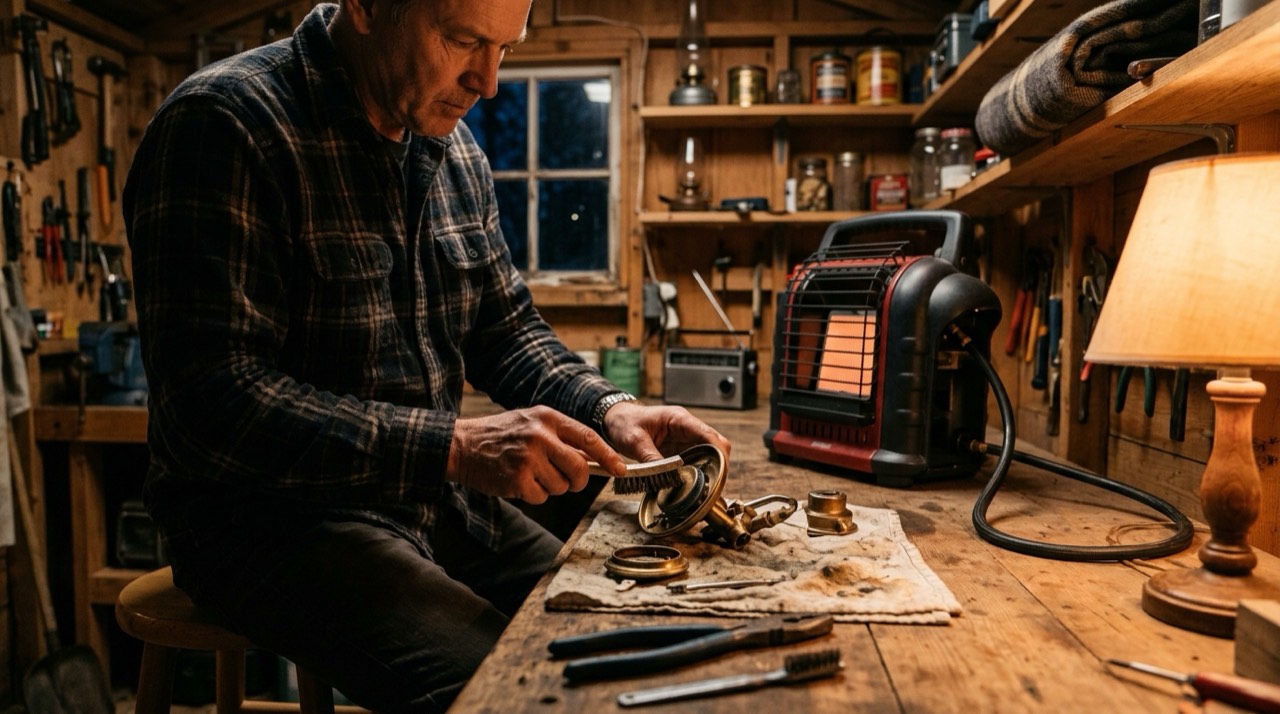
Dust or debris partially blocking the burner ports or venturi tube reduces how much fuel-air mixture actually reaches the flame, even with full fuel pressure available. This is especially common after months in storage. See our burner cleaning guide for the safe cleaning steps.
Cause 4: A Clogged Fuel Filter (Big Buddy)
The Big Buddy’s in-line fuel filter can accumulate enough debris over time to restrict flow, producing a gradual output decline rather than a sudden change. A replacement filter is inexpensive and worth trying if the decline has been slow rather than sudden. See our Big Buddy troubleshooting guide for this model-specific check.
Cause 5: A Regulator Problem
A regulator that’s mismatched, damaged, or partially frozen in cold weather bottlenecks fuel delivery before it even reaches the heater, capping output regardless of the dial setting or fuel level. Our regulator troubleshooting guide covers the specific symptoms of each of these three regulator failure modes.
Cause 6: Altitude
Combustion efficiency drops somewhat at higher elevations due to lower oxygen availability in the air, which can produce a flame that looks and burns slightly differently, and puts out somewhat less usable heat, than the same heater at sea level. This is a real physical effect, not a fault, and it’s more noticeable the higher the elevation.
Does the Type of Cylinder Affect Output?
A genuine, brand-name cylinder is filled to a consistent level using standard equipment. A refillable cylinder topped off from a larger tank can sometimes end up slightly underfilled compared to a factory-filled disposable one, which can show up as somewhat reduced run time or output toward the end of a fill. This isn’t a heater fault, and it’s worth ruling out if you’ve recently switched from disposable to refillable cylinders.
Running Two Heaters Off One Tank
Splitting a single 20 lb tank between two heaters at once, using a manifold or Y-splitter, divides the available flow between both units. Each heater can end up with less than its full rated output if the combined demand exceeds what the tank and its regulator can comfortably deliver at once. If low flame started right after adding a second heater to the same fuel source, this split demand is the likely explanation.
Working Through the Causes in Order
Check fuel level and confirm the dial is genuinely on high first, since these two together explain most low-flame reports. Then check for burner debris if the unit has been in storage. Then check the fuel filter on a Big Buddy specifically. Then consider the regulator if none of the above explain it.
Does the Time of Day or Temperature Swing Matter?
A cylinder that performed fine in the afternoon sun can show reduced output once evening temperatures drop, purely from the vapor-pressure effect described earlier, with nothing else about the setup changing. If low flame consistently shows up later in a session as ambient temperature falls, that pattern points to cold rather than a developing mechanical issue.
Does Low Flame Ever Indicate a Safety Problem?
Not directly, but a flame that’s not just low but also discolored, sooty, or producing visible black residue on nearby surfaces should prompt an immediate stop and inspection, since that pattern can indicate incomplete combustion. A simply weaker-than-usual but otherwise normal blue flame is a performance issue, not a safety one.
Comparing Against a Known-Good Baseline
If you’re not sure whether your flame is genuinely reduced or just seems that way from memory, swap in a known-full, room-temperature cylinder and compare side by side if possible. A clear, obvious difference confirms a real output problem worth troubleshooting further. A flame that looks about the same either way suggests the original impression may have been influenced by the room’s ambient temperature or lighting rather than an actual heater issue.
Does This Affect One Buddy Model More Than Others?
The Big Buddy’s fuel filter adds one cause unique to that model. Otherwise, the causes and diagnostic order above apply the same way across the Little Buddy, Portable Buddy, Buddy FLEX and Big Buddy, since they all share the same fundamental fuel-delivery and burner design principles.
Tracking Output Over Multiple Uses
A single instance of reduced flame is often just a cold or partly used cylinder. A pattern of gradually declining output across several separate uses, with fresh full cylinders each time, points more toward burner debris or a fuel filter issue building up slowly rather than a one-off fuel condition. Keeping a rough mental note across a few uses helps tell these two situations apart.
A Quick Pre-Check Before Anything Else
Before working through the full ranked list, do a 30-second visual check: is the cylinder valve fully open, is the dial genuinely on high, and does the burner look visibly clean? These three quick looks catch a surprising share of low-flame reports without needing any tools or disassembly at all.
When Low Flame Points to a Repair
Have you ruled out fuel, dial position, burner debris, the fuel filter and the regulator, and output is still noticeably reduced? An internal valve restriction or a worn burner component is the remaining likely cause. Our DIY vs. replace guide covers whether a repair or a replacement makes more sense given the heater’s age and cost.