
Affiliate disclosure: some links are affiliate links — as an Amazon Associate we earn from qualifying purchases, at no extra cost to you. Full disclosure.
Camping heater searches expect to find a dedicated portable propane heater from Coleman, Ozark Trail, or Texsport. In practice, none of the three currently sells one. What campers actually rely on, according to aggregated owner reviews across camping and outdoor forums, is the Mr. Heater Buddy line and a newer tier of generic budget alternatives. The four picks below reflect that reality honestly, ranked for genuinely safe overnight heating rather than brand recognition alone.
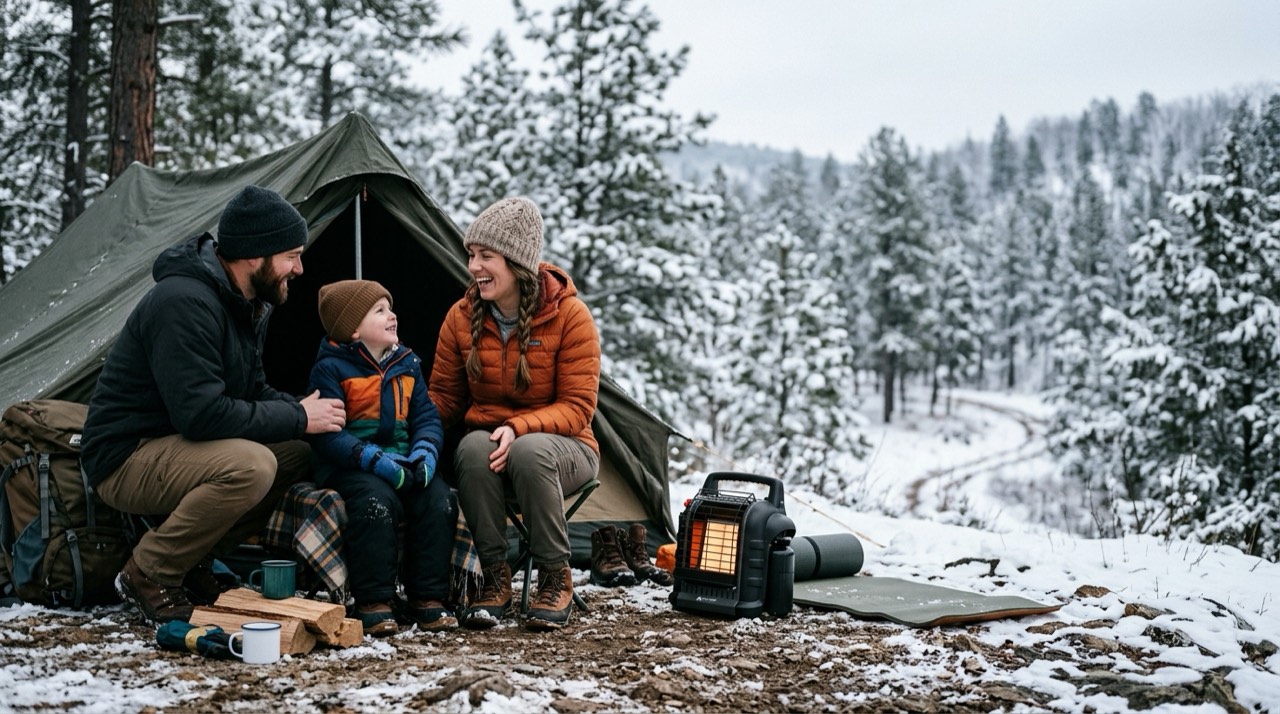
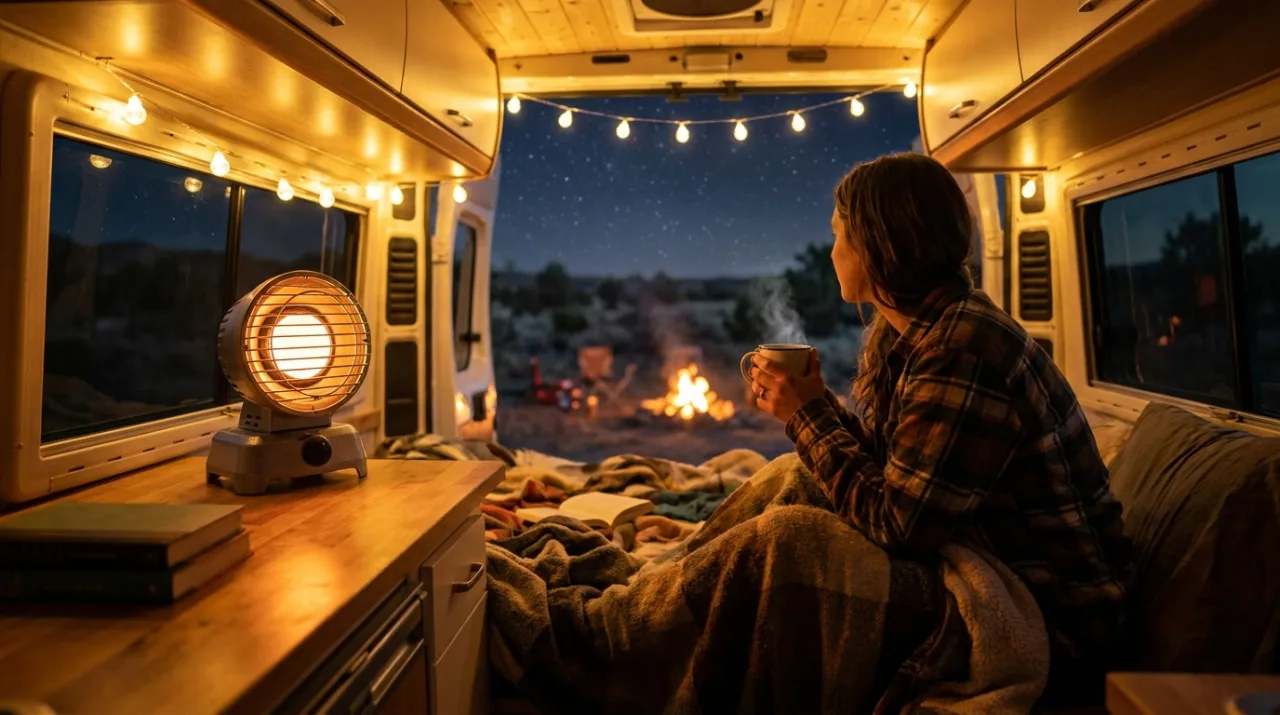
The Short Answer: Our Best Overall Camping Propane Heater Pick
For most camping trips, the 9,000 BTU standard Buddy is the safest, most versatile pick. Backpacking and want the lightest option? Get the 3,800 BTU Little Buddy. Camping in a large wall tent for several days? Step up to the 18,000 BTU Big Buddy.
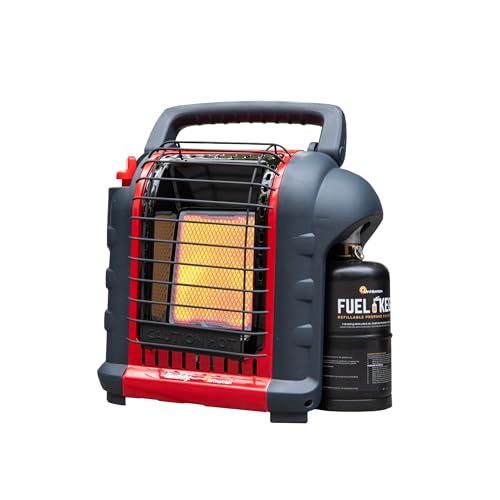
Best for A family tent, a camp kitchen area, or a single-room cabin
- 4,000–9,000 BTU on low/high
- Indoor-safe with oxygen depletion sensor
- Runs on a 1 lb cylinder or hose-connect to a 20 lb tank
Why buy it: The heater most campers land on first. It covers a genuinely wide range of tent sizes, lights fast, and has the deepest owner-review history in the entire camping heater category.

Best for A small backpacking tent or a single-person setup
- 3,800 BTU fixed output
- 1 lb disposable cylinder only
- Under 10 inches tall, a few pounds
Why buy it: The lightest, cheapest way to bring indoor-safe heat on a trip where every pound in the pack counts.
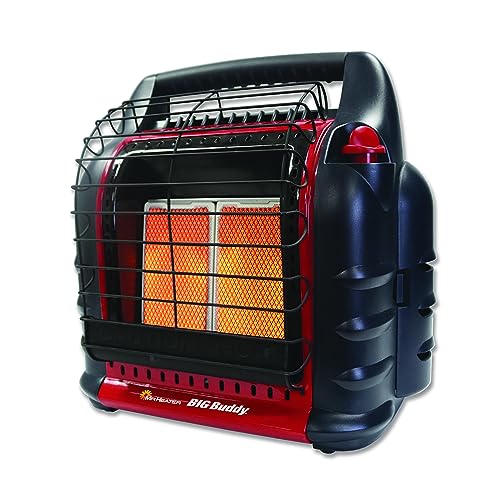
Best for A large canvas wall tent or an extended multi-day camp
- 4,000–18,000 BTU across three settings
- Fan-assisted heat distribution
- Runs on two 1 lb cylinders or hose-connect
Why buy it: Steps up for a genuinely large tent that the standard Buddy cannot keep comfortable through a full cold night.

Best for Occasional campers who want a lower-cost option than the established Buddy line
- 9,000 BTU output
- Dual-fuel: propane or butane
- Tip-over and low-oxygen safety shutoff
Why buy it: A newer, generic entry priced below the Buddy line. It carries a much shorter review history, so it suits occasional, well-ventilated use rather than the enclosed overnight tent use the Buddy series is proven for.
Full Comparison
| Product | Best for | Buy |
|---|---|---|
| Mr. Heater 9,000 BTU Portable Buddy Radiant Propane Heater | Best Overall for Camping | Check Price |
| Mr. Heater 3,800 BTU Little Buddy Portable Radiant Propane Heater | Best Budget & Most Compact | Check Price |
| Mr. Heater 18,000 BTU Big Buddy PRO Series Heater | Best High-Output for a Large Tent | Check Price |
| Portable Outdoor Heater with 8FT Hose, 9000 BTU Propane Heater Fuel by Butane/Propane | Best Budget Alternative to the Buddy Line | Check Price |
Why Camping Brands Don’t Make a Dedicated Portable Propane Heater
Coleman, Ozark Trail, and Texsport are all well known for tents, stoves, and lanterns. None currently sells a dedicated indoor-safe tent heater. This is not a gap in our research. Mr. Heater built the indoor-safe radiant heater category and has dominated it for years, while the traditional camping brands stayed focused on their core categories. See our full camping-brand propane heater guide for more on this.
How We Picked the Best Propane Heater for Camping
Three things mattered most. First, whether a heater carries a genuine indoor-safe rating for tent use, since this is a non-negotiable safety factor. Second, how consistently owners report a model as correctly sized for its stated tent capacity. Third, the depth of real ownership data behind each pick, since a camping heater’s failure mode has real safety consequences.
Tent Size: 4000 BTU to 9000 BTU by Trip Type
Most Buddy-style units scale from about 4000 BTU up to 9000 BTU or higher across their settings, and matching tent size to that range is the core of this decision. A small one- or two-person tent is usually well served by the Little Buddy. A larger family tent needs the standard Buddy’s higher ceiling. A large canvas wall tent for extended trips is where the Big Buddy earns its extra weight. Our camping heater by tent size guide covers this decision in more depth, tent tier by tent tier.
Tent Heater Safety: Oxygen Depletion Sensor, Tip-Over Shut-Off, Low-Oxygen Shutoff, and Ventilation
An oxygen depletion sensor is what makes a heater tent-safe. It shuts the unit off automatically before oxygen in the tent drops to a dangerous level. Look for a tip-over shut-off working alongside the low-oxygen shutoff, plus CSA certification on the label, as the baseline safety set for any tent heater. Manufacturer guidance still recommends cracking a tent flap or vent for basic ventilation even with these safety features present. See our tent camping safety guide for the full picture before your first overnight trip.
Carbon Monoxide Detectors for Tent Camping
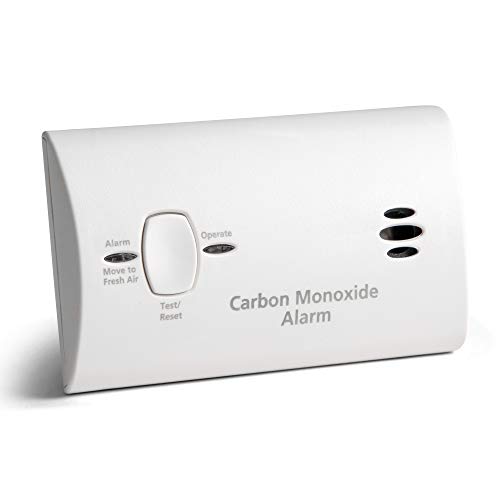
Even an indoor-safe heater benefits from a battery-backed carbon monoxide detector inside the tent. It adds a second layer of protection beyond the built-in oxygen depletion sensor, and it runs independently of the heater's own electronics.
Generic and Budget Alternatives
A newer tier of imported, budget-priced heaters has emerged specifically marketed for camping, running on either butane or propane. These can be a reasonable choice for occasional, well-ventilated outdoor use, but they carry a much shorter review history than the established Buddy line. Confirm a specific model is indoor-safe before assuming it, since not every generic camping heater includes an oxygen depletion sensor.
1-lb Cylinder Run Time for a Backpacking or Car Camping Trip
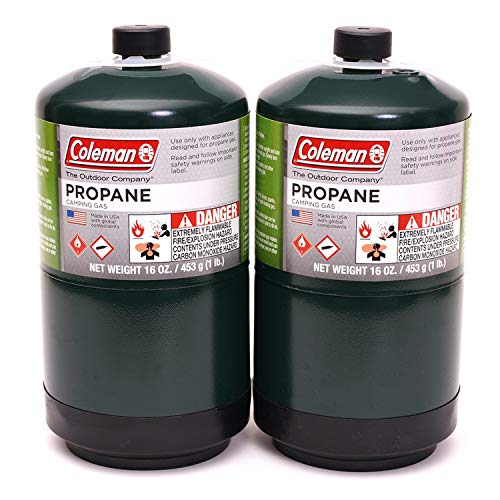
Standard 1-lb cylinder canisters and Coleman-brand 16 oz canisters are widely available at outdoor retailers and gas stations near popular camping areas. A single 1-lb cylinder gives the Little Buddy roughly 3 to 7 hours of run time depending on the heat setting, so pack more than one canister for an overnight trip. A hose-and-filter kit connecting to a 20 lb tank is worth the upgrade for car camping trips longer than a night or two, since it cuts ongoing cylinder cost significantly. Our packing guide covers exactly what to bring.
Tailgating and Hunting Use
The same Buddy-series units that work well for camping also cover tailgating and hunting blinds effectively, with the main differences showing up in accessories and finish rather than the heater itself. See our dedicated tailgating heater guide if that is your primary use case.
Butane vs. Propane for Cold Weather Camping
Some budget camping heaters run on butane, propane, or a dual-fuel combination. Propane vaporizes more reliably below freezing, making it the more dependable choice for cold weather camping specifically, since butane can struggle to vaporize once temperatures drop well below freezing.
What Owners Report
Across camping and outdoor forums, the Buddy line’s indoor-safe certification and long track record consistently outweigh brand loyalty to Coleman, Ozark Trail, or Texsport for the specific job of heating a tent. Owners of the newer budget generic heaters report acceptable performance for occasional use, alongside more inconsistent reviews around ignition reliability compared with the established Buddy line.
Common Mistakes When Buying a Camping Heater
Assuming any propane heater is automatically safe inside a tent is the most consequential mistake, since only models with a genuine oxygen depletion sensor are rated for that use. Undersizing for a family tent, then finding the heater inadequate on the first cold night, is the second most common regret in owner reviews.
Weight and Packable Size for a Wall Tent and Different Camping Styles
Backpackers hiking into a remote site prioritize weight above all else. The Little Buddy's packable, sub-10-inch size and low weight make it the obvious fit here, even at the cost of lower output. Car campers with a trunk full of gear have far more flexibility. A Big Buddy, plus spare cylinders, adds negligible burden to a vehicle already carrying a cooler, chairs, and a tent.
Noise Levels and Radiant Heat Around a Campsite
The Little Buddy and standard Buddy both run silently. It is pure radiant heat with no fan. The Big Buddy’s fan assist adds a small amount of audible airflow, though nothing close to a forced-air construction heater. For a quiet camping experience, weigh this alongside raw BTU output, especially if you share a campsite with others nearby.
Setting Up Camp in Cold, Wet Conditions
A propane heater helps most with ambient warmth. It does not dry out wet gear the way some campers hope. Keep a heater’s flame path clear of any wet clothing or gear you are trying to dry. Draping fabric too close to a radiant element is both a fire risk and generally ineffective compared to simply airing gear out overnight.
Choosing Between the Buddy Line and the Newer Generic Option
The decision largely comes down to how often you camp. It also depends on how much weight you place on established safety data. Frequent campers, and anyone heating a fully enclosed tent overnight, are better served by the Buddy line’s longer track record, even at a modestly higher price. Occasional campers heating a well-ventilated space for a single trip a year might reasonably view a cheaper generic option as an acceptable tradeoff.
Extending Your Camping Heater’s Life
Disconnect the fuel source before storing any heater between trips. Keep it somewhere dry, not in a damp garage or shed. A quick inspection of the hose and connection at the start of each camping season catches most small issues before they become an inconvenient mid-trip failure.
Comparing This Roundup to a Dedicated Tailgating Pick
The picks above are optimized for tent-based camping specifically, where portability and indoor-safe certification matter most. A tailgate setup has different priorities: open-air heat throw for a standing group rather than an enclosed sleeping space. Our dedicated tailgating guide weighs the same core lineup slightly differently for that specific use case.
Buying Once vs. Building Up a Kit Over Time
Some campers buy one heater and stick with it for years across every trip type. Others build a small kit over time: a Little Buddy for solo backpacking, a standard Buddy for family trips, and a Big Buddy for extended group camps. There is no wrong approach here. It depends on how varied your camping actually is from trip to trip.
What to Ask Before Choosing Between the Buddy Line and a Generic Import
Three questions settle most of this decision quickly. Will the heater run inside a fully enclosed tent overnight, or only in open, well-ventilated conditions? How many seasons do you expect to get out of it? Does the specific generic model you are considering clearly state an oxygen depletion sensor in its listing, not just a general safety claim? Answering these honestly points most buyers back toward the established Buddy line for anything beyond occasional, closely supervised outdoor use.
Regional Weather Patterns and Heater Choice
Campers in consistently mild regions can often get by with a smaller heater than the general guidance in this roundup suggests, since overnight lows rarely test a heater’s upper output. Campers in regions with sharp overnight temperature swings, common in mountain and high-desert camping, should size toward the upper end of whichever tier fits their tent, since a single unusually cold night can otherwise catch an undersized heater off guard.
A Final Honest Note on Brand Names in This Category
It bears repeating: no dedicated Coleman, Ozark Trail, or Texsport propane heater currently exists in the verified catalog this guide sources from. If a future product changes that, this roundup will be updated to reflect real specs and genuine owner reviews rather than continuing to point exclusively to Mr. Heater and Dyna-Glo out of habit.
One Last Sanity Check Before You Buy
Whichever pick you land on, confirm its indoor-safe rating directly in the listing before assuming it from this guide alone, since retailers occasionally update or discontinue specific models. A five-second check of the current product page against what is described here protects against the rare case of a listing changing after this guide was published. It is a small habit that pays off the one time it actually matters.
Quick Recap: Safe Overnight Heating by Trip Type
The standard Buddy handles most camping situations well. The Little Buddy wins on weight and price for backpacking. The Big Buddy is the pick for a large wall tent on an extended trip. The generic budget option is a reasonable choice only for occasional, well-ventilated outdoor use. Match the pick to your actual trip, not the lowest price alone.
Group Trips: Buying for More Than One Tent
Families or groups camping across multiple tents generally get better results equipping each tent with its own correctly sized heater rather than trying to centrally heat a shared space. This also spreads fuel consumption more predictably across the group and avoids the awkwardness of one tent monopolizing a single shared unit on the coldest night of the trip.
Camping in Shoulder Seasons vs. Deep Winter
A mild fall or spring camping trip rarely pushes any of these heaters near their limits, and the Little Buddy or standard Buddy comfortably handles an occasional chilly night. Deep winter camping is a different proposition entirely, where sustained sub-freezing temperatures make the Big Buddy’s higher ceiling and fan-assisted distribution far more valuable than they would be for a three-season trip.
Renting vs. Buying for an Occasional Camper
Some outdoor gear retailers rent propane heaters alongside tents and other camping equipment, which can make sense for someone camping only once or twice a year. For anyone camping more than a couple of times annually, buying outright, even the budget-friendly Little Buddy, works out cheaper than repeated rental fees within a season or two.