
Affiliate disclosure: some links are affiliate links — as an Amazon Associate we earn from qualifying purchases, at no extra cost to you. Full disclosure.
A propane heater takes more than just the unit itself to pack correctly for a camping trip. Here is a complete checklist, built around what actually gets forgotten most often.
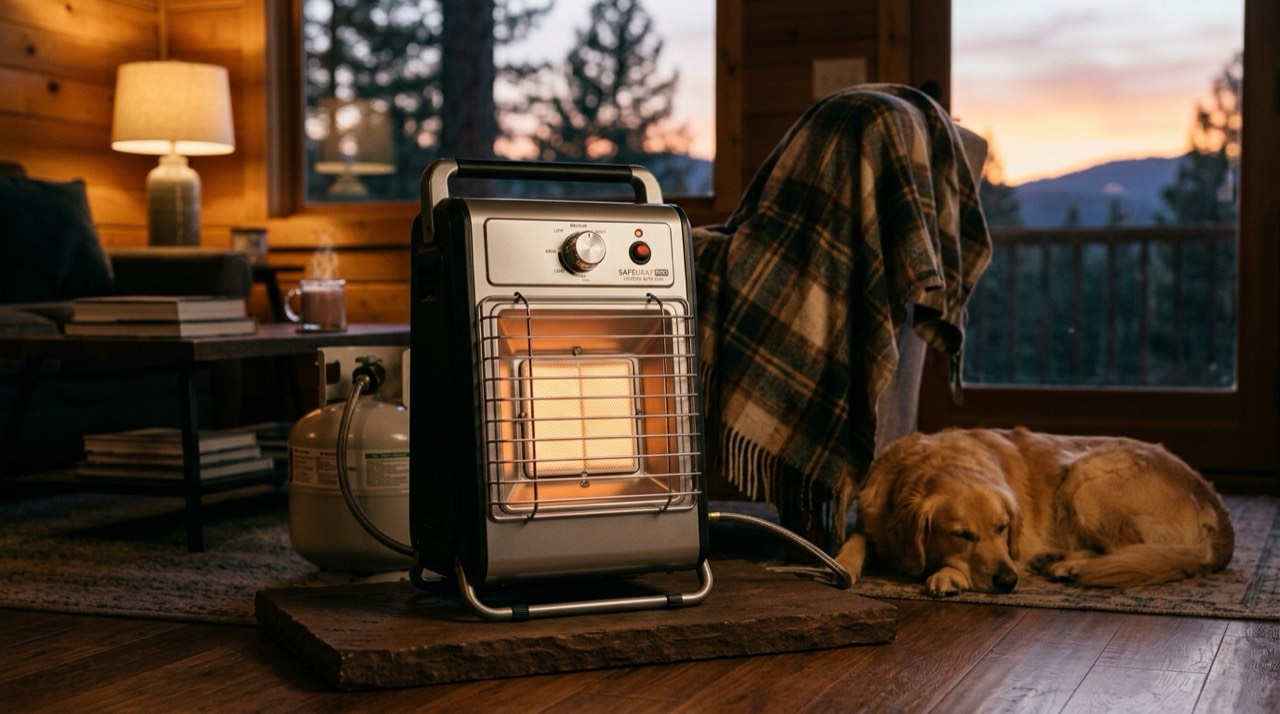
Top 3 Recommended
The Heater Itself
Pack the heater in its original box or a padded carry case if you have one. The radiant element and control valve are the parts most vulnerable to damage during transport. A heater tossed loose into a truck bed is far more likely to arrive with a bent guard or a damaged valve than one packed properly.
Fuel: How Much to Bring
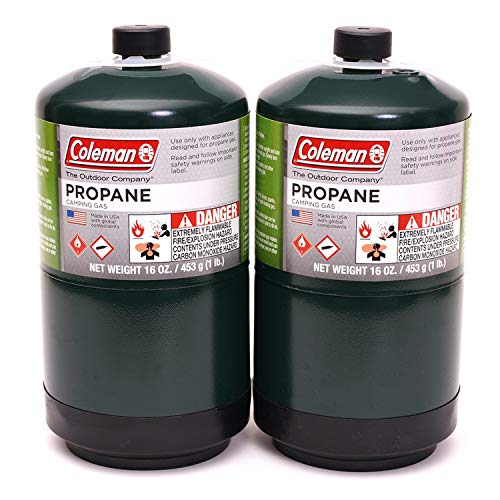
Calculate expected run time from your heater’s BTU setting. Then pack at least one spare 1 lb cylinder beyond that need. Car campers with room to spare should consider a hose-and-filter kit and a 20 lb tank instead. This removes the need to carry multiple small cylinders and cuts most fuel-planning guesswork.
Backpackers: Weight-Conscious Fuel Planning
For a backpacking trip, every ounce matters. Calculate cylinder count precisely against trip length and the Little Buddy’s known run time per cylinder. Do not pad with extra "just in case" fuel that adds unnecessary pack weight. A tight, accurate calculation beats an overly generous guess when weight is the binding constraint.
Ignition Backup
The Buddy series uses a built-in piezo igniter. Still, pack a lighter or a small box of matches as backup. It is worth the negligible extra weight. A piezo igniter can occasionally fail to spark reliably, especially after cold or damp storage. A simple backup avoids being stuck without heat over an igniter issue alone.
Safety Gear Beyond the Heater
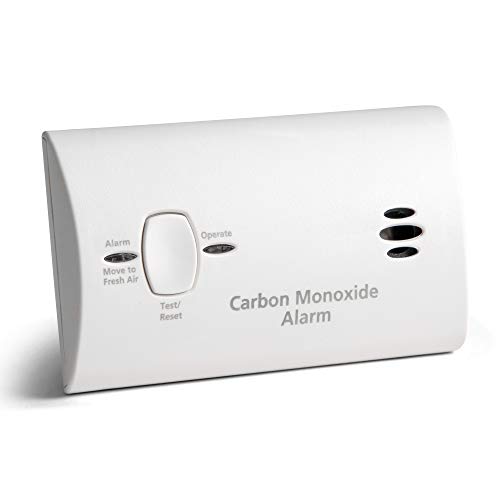
A small, battery-powered carbon monoxide detector belongs in every camping pack that includes a heater. This applies regardless of how confident you are in the unit’s built-in oxygen depletion sensor. It weighs little and adds a genuine second layer of protection for tent use.
Tank Stability Accessories
If hose-connecting to a larger tank, pack a basic propane tank stand or dolly. It keeps the tank upright and stable on uneven campsite ground. This reduces the risk of a tip that stresses the hose connection. Ground conditions at a campsite are rarely as flat and predictable as in a garage.
Protecting the Heater From Moisture
Rain and condensation matter more while camping than in a garage. Keep the heater covered, or store it inside a vehicle overnight, rather than left exposed under an open canopy. Moisture reaching the ignition components is a common cause of a "won’t light" problem on a later trip.
Packing for a Multi-Day Trip
For trips longer than a weekend, plan fuel resupply around known propane refill or exchange locations near your destination. Do not assume availability everywhere. Refilling a larger tank typically requires a dedicated propane station, not a general convenience store. Confirm this before you leave rather than discovering the gap mid-trip.
Packing List by Trip Type
A weekend car-camping trip calls for the heater, a couple of spare cylinders or a full 20 lb tank, a lighter, and a CO detector. A backpacking trip trims this to the Little Buddy specifically, a precisely calculated number of 1 lb cylinders, and the same lighter and detector, since weight matters more than redundancy on foot. A week-long base-camp trip benefits from the hose-connect setup and a tank stand, since fuel logistics matter more the longer you stay in one place.
Loading the Heater in Your Vehicle
Position the heater where it will not shift or get crushed under heavier gear during transit, ideally upright and secured against sliding. A heater loaded loose on top of a pile can bounce and scratch, or worse, land on its control valve during a rough stretch of road, which is an easily avoidable source of damage with a few extra minutes of careful loading.
A Note on Airline Travel With a Propane Heater
Propane cylinders and heaters that have contained fuel are not permitted in checked or carry-on luggage on commercial flights. They are classified as hazardous materials. If you are flying to a camping destination, plan to buy or rent both the heater and fuel locally. Do not attempt to bring either through airport security or as checked baggage.
Packing for Car Camping vs. a Remote Trailhead Drop-Off
Car camping lets you keep the heater, spare fuel, and accessories together in one bin, accessible right up until setup. A remote trailhead drop-off is different. You hike some distance from the car to the actual campsite. This calls for packing the heater and its fuel into your actual carrying load, which is where the weight-conscious choices covered earlier in this guide matter most.
Double-Checking Before You Drive Away
A final walk-through before leaving home, heater packed, fuel loaded, CO detector included, ignition backup in the bag, catches the rare oversight that a mental checklist alone sometimes misses. This takes under two minutes and is far less frustrating than realizing a missing item once you are already hours into the drive.
Packing Extra for a Group Trip
When multiple families or groups share one campsite, agree ahead of time on who is bringing the heater, fuel, and safety gear rather than assuming someone else has it covered. Duplicate heaters at a shared site are rarely a problem, but a missing CO detector because everyone assumed another group packed one is a genuinely common and avoidable gap.
What to Do With Leftover Fuel After the Trip
Partially used 1 lb cylinders can be stored safely at home. Keep them upright and away from heat sources for use on a future trip rather than discarding them. Check local guidance on disposing of a genuinely empty cylinder. Many municipalities have specific rules for propane containers, different from general household recycling or trash pickup. A quick search for your city’s hazardous waste guidelines usually answers this in under a minute. Never puncture or throw a cylinder, even an apparently empty one, into a regular trash bin.
A Pre-Trip Checklist
- Heater, in its case or original box
- Enough fuel for the calculated trip length, plus one spare cylinder or a full tank
- Lighter or matches as an ignition backup
- Battery-powered carbon monoxide detector
- Tank stand, if hose-connecting to a larger tank
- A quick check that the connection seals properly before you leave, using a soapy-water test at home
A Note on Reusable vs. Disposable Cylinder Choices
Refillable 1 lb cylinders exist as an alternative to the single-use kind, and they pay for themselves after a handful of refills for anyone camping regularly. Pack them the same way as disposable cylinders, upright and secure, and confirm a nearby refill station near your destination if you plan to top off mid-trip.
Testing at Home Before You Leave
Light the heater at home before a trip, especially if it has been stored since the last use, rather than discovering an ignition or connection problem for the first time at the campsite. This five-minute check at home avoids a frustrating and potentially cold surprise once you have already set up camp.

What Gets Forgotten Most Often
A carbon monoxide detector and a spare fuel cylinder are the two items owners most commonly report forgetting, according to camping forum discussions, usually because both feel optional in the moment of packing. Treat both as standard equipment alongside the heater itself, not as afterthoughts, and you avoid the two most common camping-heater regrets.