
Affiliate disclosure: some links are affiliate links — as an Amazon Associate we earn from qualifying purchases, at no extra cost to you. Full disclosure.
Using a propane heater in a tent while camping involves more than just picking an indoor-safe model. Campsite conditions, weather, and group setup all change the safety picture in ways a generic "how to use a heater" guide does not cover.
Top 3 Recommended
Start With an Indoor-Safe Model, Regardless of Brand
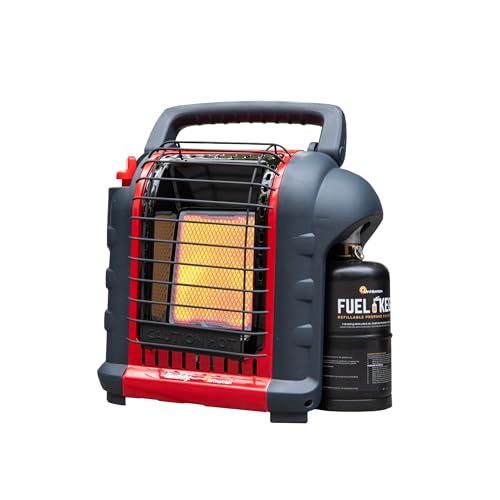
Only a heater explicitly rated indoor-safe or enclosed-space-safe, with a built-in oxygen depletion sensor, belongs inside a tent. This applies whatever brand you are considering. Check the specific model’s rating rather than assuming any propane heater is automatically tent-safe.
Choosing a Tent Site With Safety in Mind
Pitch your tent on level, stable ground where a heater will not be at risk of tipping from an uneven floor. Avoid sites in a low-lying area prone to pooling cold, damp air, since this can affect both comfort and how hard the heater has to work. A site with some natural windbreak reduces heat loss through the tent fabric on a cold night.
Ventilation Changes With Weather Conditions
Heavy rain or high wind can make campers reluctant to crack a tent flap for airflow, exactly when they most want a heater running. Resist the urge to seal the tent completely regardless of weather. A small, angled vent opening that avoids driving rain still provides the airflow an indoor-safe heater’s manufacturer guidance calls for.
Group Camping: More People, More Considerations
A tent shared by several people has less air volume per occupant than the same tent used by one or two people, which affects how quickly oxygen depletes in a sealed space. Larger groups sharing a tent should be more conservative about ventilation, not less, even though a crowded tent might intuitively feel warmer and safer already.
Carbon Monoxide Detection While Camping
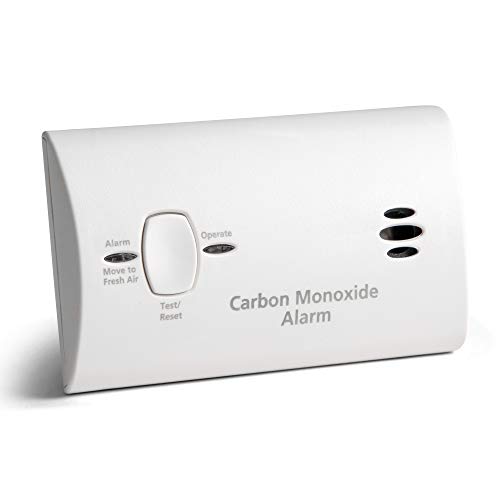
A small, battery-powered carbon monoxide detector is worth adding to any camping trip involving a heater running inside a tent. It adds negligible weight and cost, and it provides a second layer of protection beyond the heater’s built-in oxygen depletion sensor, since a tent is a genuinely enclosed space regardless of how "safe" the heater itself is rated.
Children and Pets in a Camping Tent
A running heater is a burn risk for children and pets who may not understand to keep their distance, and this risk is heightened in the confined space of a tent compared to a room at home. Position the heater away from where children or pets sleep or play, and never leave a heater running unattended with them in the tent.
Overnight Use: A Clear Recommendation
Manufacturer guidance across indoor-safe heater brands generally advises against leaving any propane heater running unattended overnight while occupants sleep. The safer pattern many experienced campers follow is warming the tent before sleep, then turning the heater off, rather than relying on it to run through the night.
Weather Extremes and Heater Demand
A genuinely cold night demands more from a heater than typical fall camping conditions, and it is worth checking the extended forecast before a trip rather than assuming your usual setup will be adequate. If overnight lows are forecast well below what you have previously camped in, consider sizing up your heater or adding extra insulation to the tent itself.
Packing for Safety, Not Just Warmth
Beyond the heater and fuel, a basic camping safety kit for heater use includes a battery-backed CO detector, a lighter or matches as an ignition backup, and a clear understanding among everyone in the group of where the heater sits and its clearance zone. Our full packing guide covers the complete list.
What to Do if Someone Feels Unwell Near a Running Heater
Headache, dizziness, or nausea near a running heater can be early signs of carbon monoxide exposure and should never be dismissed as simple tiredness from a day outdoors. Move the affected person outside into fresh air immediately, turn off the heater, and ventilate the tent fully before considering relighting it. Seek medical attention if symptoms do not resolve quickly in fresh air.
The Short Version
Use only an indoor-safe model. Ventilate regardless of weather. Be more conservative with a larger group in the tent. Carry a CO detector as backup. Never leave a heater running unattended overnight. Know the signs of CO exposure. These habits apply to any brand of tent-safe propane heater, not just one specific model.
Setting Up a Family Camping Trip Safely
A family trip often means a mix of ages sharing one tent. This raises the stakes on getting ventilation and heater placement right the first time. Walk through the setup with everyone old enough to understand it. More than one person in the group should know where the heater sits, its clearance zone, and what to do if something feels wrong overnight.
Checking Local Fire Restrictions Before Your Trip
Some campgrounds and public lands impose seasonal restrictions on open flame or fuel-burning equipment during high fire-danger periods. These restrictions sometimes extend to propane heaters, even though they are contained appliances. Check with the specific campground or land management agency ahead of your trip.
What Experienced Campers Do Differently
Owners who have camped with a propane heater for many seasons describe the same habits. A pre-trip lighting test at home. A consistent heater placement used every time, so it becomes automatic. A firm personal rule about never running a heater while everyone in the tent is asleep. These are learned habits built from repetition, worth adopting deliberately.
Combining a Heater With a Sleeping Bag Rated for the Conditions
A heater running through part of the evening, then switched off before sleep, works best alongside a sleeping bag genuinely rated for the night’s expected low temperature. Relying entirely on a heater to compensate for an inadequate sleeping bag pushes toward all-night, unattended operation. Match your gear to the conditions instead of leaning on the heater alone.
Talking to a New Camping Partner About Heater Rules
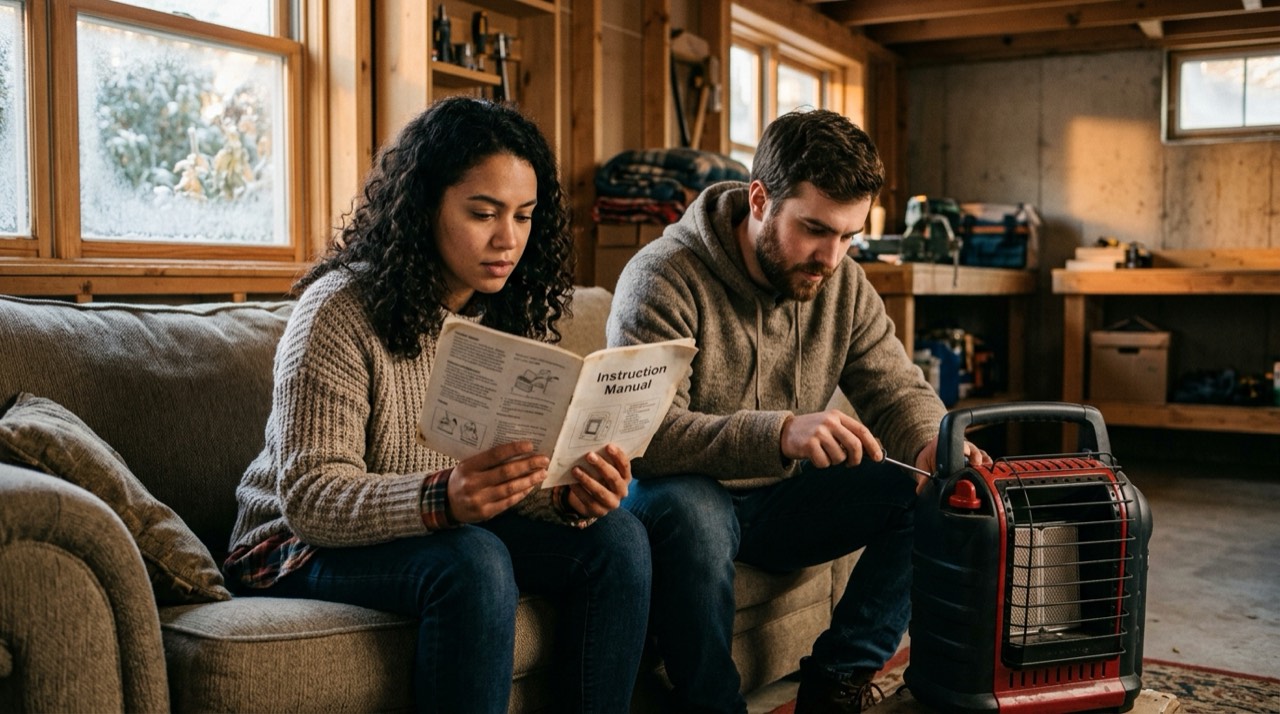
If you are camping with someone new to using a propane heater, walk through your specific safety rules before the trip, not once you are already set up at the campsite. A shared understanding of ventilation, placement, and overnight limits prevents one person’s unfamiliarity from becoming a genuine safety gap for the whole tent.
What to Do if a Heater Tips Over Inside a Tent
Most indoor-safe heaters include a tip-over shutoff that cuts fuel automatically, but check the flame is fully out and the heater is upright and stable again before relighting. Move any nearby fabric or gear that may have shifted into the clearance zone during the tip before restarting the heater.
Camping Near Water and Damp Ground
A campsite near a lake or river often has damper ground and air than an inland site, which can affect both cylinder condensation and how the tent floor holds up under a heater’s clearance zone. Use a ground cloth under the heater’s footprint if the tent floor feels damp, and check connections more frequently for corrosion if you camp near water regularly. This small habit catches early wear before it becomes a mid-trip leak.