Affiliate disclosure: some links are affiliate links — as an Amazon Associate we earn from qualifying purchases, at no extra cost to you. Full disclosure.
A hunting blind is one of the more demanding places to run a heater: fully enclosed, needs to be silent, and often used in genuinely cold conditions for hours at a stretch. Here is how to get it right.
Top 3 Recommended
Why Silence Is the Top Priority
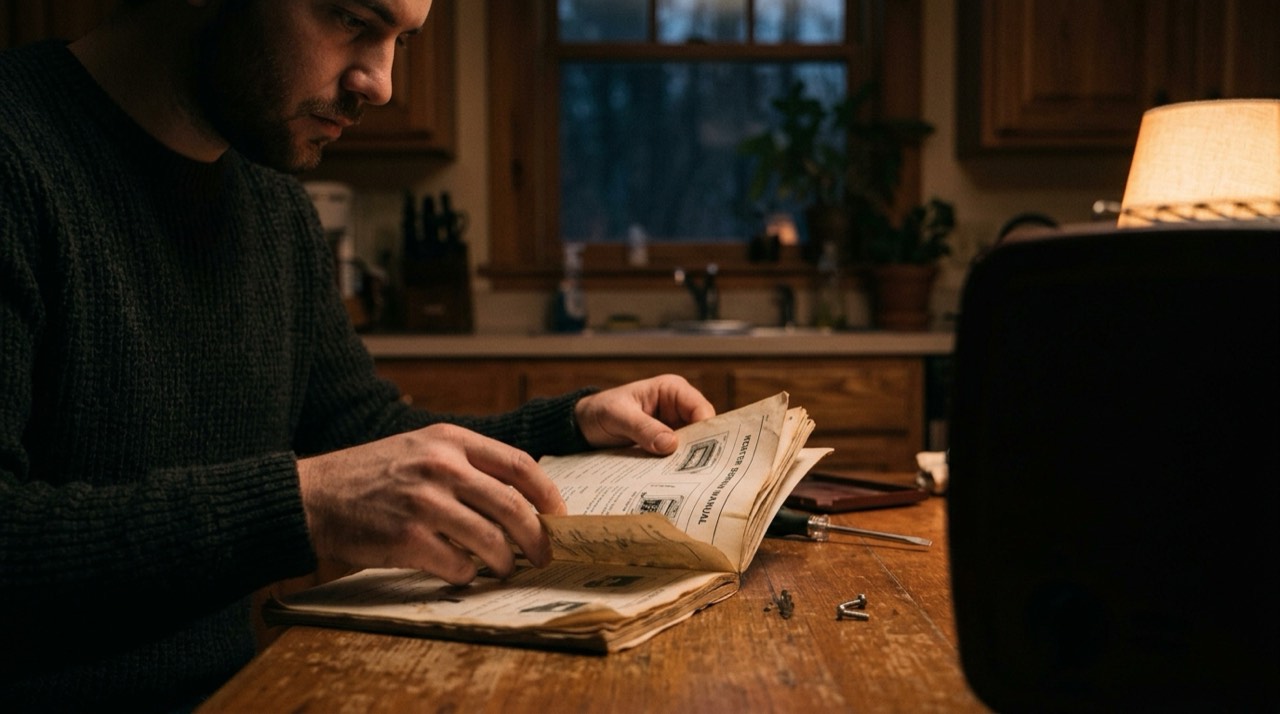
Unlike heating a garage or a patio, noise in a hunting blind directly affects your success. A forced-air heater’s combustion fan can spook game at real distance, which rules that whole heater category out for blind use. Every radiant Buddy-style heater runs with no fan at all, just the quiet hiss of the burner, which is why this line dominates hunting-specific recommendations.
Ground Blind vs. Elevated Box Blind Heating
A ground blind sits closer to cold earth and typically has thinner walls than an elevated, insulated box blind, so heat escapes faster. If you hunt from a ground blind, size toward the higher end of your BTU range and pay attention to sealing any gaps at the base where cold air seeps in. A box blind with real insulation holds heat considerably better at the same BTU output.
Why Indoor-Safe Rating Is Non-Negotiable
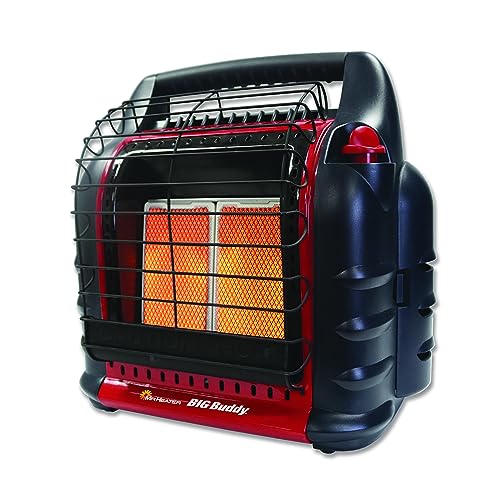
A hunting blind is a genuinely enclosed space, often more so than people expect. Only a heater with a certified oxygen depletion sensor should ever run inside one. The Mr. Heater 9,000 BTU Portable Buddy and similar models carry this certification specifically for enclosed-space use like a blind.
Sizing a Heater to Your Blind
A small one- or two-person box blind is well served by a 9,000 to 12,000 BTU heater. A larger blind or a group hunt benefits from stepping up to the 18,000 BTU Big Buddy. Oversizing a small, enclosed blind can make the space uncomfortably warm fast, so match output to your actual blind’s dimensions.
Camo vs. Standard Finish
A camo-finished heater helps keep a low visual profile in a blind, which matters if game or other hunters might spot a bright red or orange heater at a distance. Beyond that cosmetic difference, camo and standard-finish heaters at the same BTU rating perform identically. Pay for camo only if visibility genuinely matters for your specific hunting setup.
Cold-Weather Ignition Tips
Propane vaporizes more slowly in extreme cold, which can make a heater harder to light on the coldest hunting days. Keep a spare cylinder warmer than the ground, inside a jacket or vehicle, before use. This single habit meaningfully improves ignition reliability and is not specific to any one brand of heater.
Ventilation Even With an Indoor-Safe Rating
Even with an oxygen depletion sensor providing a safety backstop, manufacturer guidance still recommends some airflow in an enclosed blind, like a cracked vent. A blind traps air more effectively than a tent in many cases, so treat this recommendation seriously rather than sealing the blind completely for maximum warmth.
Carrying a Carbon Monoxide Detector
A small battery-powered carbon monoxide detector is genuinely worth carrying for an extended sit in a fully enclosed blind. It provides an independent safety check beyond the heater’s own oxygen depletion sensor, and it weighs almost nothing to bring along.
Positioning the Heater in a Tight Space
Position the heater low and toward the center of the blind rather than in a corner, to distribute radiant heat more evenly across the space you are sitting in. Keep it clear of gear bags, bow cases, and other equipment stored in a cramped blind, both for fire safety and to avoid an accidental knock-over during a long, still sit.
Fuel Planning for a Full Day
A 12,000 BTU heater stretches a 1 lb cylinder to a little over 4 hours. For a full day in a blind, pack two or three spare cylinders rather than relying on one and hoping it lasts through the sit. A hose-and-filter kit connecting to a larger tank is worth considering if your blind setup allows it.
Pre-Season Maintenance Before Opening Day
A heater stored since last season benefits from a check before opening day rather than a surprise mid-hunt. Inspect the hose for cracking, test the igniter, and confirm the oxygen depletion sensor functions per the manual’s test procedure. Most early-season ignition problems trace back to a skipped pre-season check rather than an actual defect in the heater.
Adjustable Output for Variable Conditions
Some Buddy models offer adjustable BTU output across a range rather than a single fixed level. This lets you run lower on a milder morning to stretch cylinder life, then increase output on a genuinely cold sit. If you hunt across varying temperatures through a season, this flexibility is worth factoring into which specific model you choose.
A Quick Setup Checklist
Check the tank connection for a tight seal. Confirm the heater is indoor-safe rated with a working oxygen depletion sensor. Position it low and central in the blind. Crack a vent for airflow. Carry a carbon monoxide detector and spare fuel. This short checklist covers the setup basics for nearly any hunting blind heating situation.
Deer, Duck, and Turkey Blinds: Different Enclosure Levels
A duck blind often has more open shooting lanes than a fully sealed deer box, which changes how much heat actually stays inside. A turkey blind tends to be small and fully enclosed, closer to a deer blind in heat retention. Consider how open or sealed your specific blind design is when deciding how much BTU headroom to buy above the bare minimum for its square footage.
Packing a Heater for a Long Walk-In
For a walk-in blind reached on foot, heater weight matters alongside output. The Little Buddy and standard Buddy both pack easily into a hunting pack. The Big Buddy adds noticeably more bulk. Weigh the tradeoff between extra output and easier carrying based on your actual walk distance each morning.
Sharing a Blind Heater With Your Hunting Party
For a group blind, agree ahead of time on who manages the heater, including cylinder swaps and confirming shutdown at the end of the sit. A heater left running after everyone else has packed up is an easily avoidable mistake that a quick agreement at the start of the day prevents.
What to Do If the Heater Fails During a Sit
If a heater stops working mid-sit, check the cylinder connection and fuel level first, since these cause most field failures. Switch to a backup if you brought one. Treat a heater that failed once as needing inspection before its next use rather than assuming a fluke.
A Final Word on Hunting Blind Heaters
Silence and an indoor-safe rating decide almost everything for this category. Match output to your blind size, keep a spare cylinder warm, and carry a backup for remote hunts. These few decisions cover the setup for nearly any hunting blind heating situation you will encounter through a season, whether it is a single cold morning or a full week in the field.
Related Reading
For a full ranked comparison of hunting heaters, see our best propane heater for hunting roundup. For the quietest options specifically, see our quietest heater guide.