
Affiliate disclosure: some links are affiliate links — as an Amazon Associate we earn from qualifying purchases, at no extra cost to you. Full disclosure.
Tailgating is a different heating problem than a hunting blind or ice shanty. The space is more open, the group is bigger, and genuine warmth output matters more than absolute silence. Here is how to set it up right.
Top 3 Recommended
Why Tailgating Heaters Prioritize Warmth Over Silence
Unlike a hunting blind, a tailgate setup has no need for stealth, so noise is a much smaller factor here. Ventilation is also less of a concern in an open parking lot setting than in an enclosed blind or shanty. This means the decision comes down mostly to genuine warmth output for the group size you are hosting.
Sizing for a Small Group
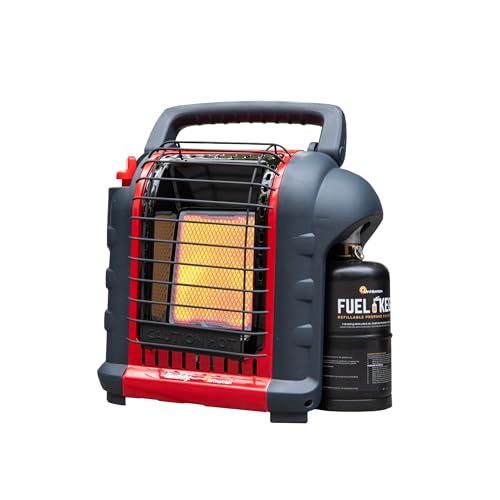
For a small group gathered around an open tailgate, a standard 9,000 BTU Buddy covers most setups comfortably. This is the same heater recommended for hunting and ice fishing, and its portability makes it easy to bring along in a vehicle already loaded with tailgate gear.
Sizing for a Larger Group Under a Canopy
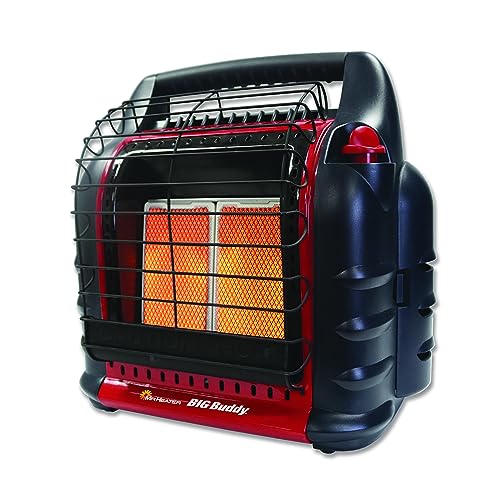
A larger group gathered under a canopy or tent structure benefits from stepping up to an 18,000 BTU Big Buddy, or using multiple standard Buddy heaters spaced around the gathering area. Because radiant heat is directional, a single heater in the middle of a large group leaves people on the perimeter cold.
Why Spacing Multiple Heaters Beats One Big Heater
For a larger tailgate gathering, spacing two heaters at opposite ends of the group generally works better than relying on one bigger heater in the center. This mirrors the same logic used for large patios. Radiant heat drops off with distance from a single source, no matter its total output. Two moderate heaters spread warmth more evenly across a spread-out crowd than one powerful heater ever could.
Group Size Guidelines at a Glance
A handful of people around a tailgate is well served by one 9,000 BTU Buddy. A dozen or more people under a canopy calls for either a Big Buddy or two standard Buddy heaters spread apart. Beyond that, three or more heaters spaced around the perimeter of a large gathering work better than any single unit, regardless of its rated output.
Stability With Moving People and Equipment
Tailgating involves more moving people, coolers, and equipment than a stationary hunting blind or shanty, so a stable base and working tip-over shutoff matter more here. Every heater in the Buddy line includes this feature standard, which is worth confirming if you are considering a different brand for tailgate use.
Setting Up the Heater Safely in a Parking Lot
Position the heater away from foot traffic paths, cornhole games, and anywhere a cooler or chair might get moved into it during the game. Keep it clear of vehicles, since a heater running too close to a bumper or tire is both a safety concern and a potential source of complaints from other tailgaters nearby.
Fuel Planning for a Full Tailgate
A tailgate typically runs several hours before and sometimes after a game. Using the standard conversion of roughly 21,600 BTU per pound of propane, a 9,000 BTU heater on a 1 lb cylinder lasts under 2.5 hours on high, so bring spare cylinders or connect to a hose-and-larger-tank setup if your tailgate runs a full day.
Weather Considerations for Outdoor Tailgating
An open tailgate setup is more exposed to wind than a hunting blind or shanty, which can reduce a radiant heater’s effective warmth at a distance. Position heaters with some wind consideration in mind, and do not expect the same coverage radius you would get in a calmer, more sheltered setting.
Combining a Heater With Other Warmth Sources
Many tailgaters combine a propane heater with blankets, warm drinks, and layered clothing rather than relying on the heater alone to keep a whole group comfortable. This is a practical approach given how directional radiant heat is across an open, crowded tailgate space, and it reduces how many heaters or how much fuel you need to bring.
Transporting a Heater to and From Tailgates
A Buddy-style heater’s portability is a real asset for tailgating, since it packs into a vehicle alongside coolers and chairs without much trouble. Disconnect the cylinder before transport and secure the heater so it does not roll around or get damaged alongside other gear during the drive.
Alcohol and Heater Safety at a Tailgate
Tailgates often involve alcohol, which can dull judgment around a running heater. Assign someone sober to keep an eye on the heater’s placement throughout the event, especially as the crowd grows and moves around it. A knocked-over heater near a group of people is a more serious risk than the same incident in an empty garage.
Cleanup and Teardown
Let the heater cool before packing it away, and disconnect the cylinder before loading it into a vehicle. Check the area where the heater sat for any scorching or debris before leaving, since tailgate lots are shared spaces and a courtesy check takes only a moment.
A Quick Setup Checklist for Tailgating
Size the heater to your group. Space multiple heaters apart for a larger crowd. Keep it clear of foot traffic, vehicles, and games. Bring enough fuel for the full event. Assign someone to watch it once drinks start flowing. These few habits cover the practical side of tailgate heater setup.
Sharing a Heater Between Multiple Tailgate Groups
In a crowded tailgate lot, neighboring groups sometimes share a single larger heater rather than each bringing their own smaller unit. This works well if everyone agrees on placement and fuel responsibility ahead of time, but it can create confusion about who is watching the heater if that is not settled clearly before the event starts.
Heater Etiquette in a Crowded Lot
A running heater in a busy tailgate lot is close to other groups' space more often than in a private backyard. Keep it a reasonable distance from neighboring tailgates, both for safety and to avoid a dispute over shared warmth versus shared fuel cost. A quick, friendly conversation with neighbors before setup avoids most friction here.
Bringing a Heater to a Stadium-Adjacent Lot
Some stadiums and venues have specific rules about propane heaters and open flames in parking lots, particularly around fire codes and insurance requirements. Check your specific venue’s tailgating policy before assuming a propane heater is automatically allowed, since rules vary meaningfully between venues and can change season to season.
A Final Word on Tailgate Heating
A tailgate heater is a simpler purchase than most of the categories covered on this site, mainly because the space is open and the stakes are lower than an enclosed blind or shanty. Size to your group, space multiple heaters for a crowd, and keep basic safety habits in place, and the rest of the tailgate takes care of itself.
Related Reading
For the full ranked comparison across hunting, ice fishing, and tailgating use, see our camping, hunting and tailgating heater guide. For patio-specific spacing advice that applies to larger tailgate groups too, see our patio heater coverage guide.