
Affiliate disclosure: some links are affiliate links — as an Amazon Associate we earn from qualifying purchases, at no extra cost to you. Full disclosure.
Looking for the full spec breakdown and verdict on the Little Buddy itself? Read our complete Mr. Heater Little Buddy review →
An ice-fishing shanty is one of the smallest, most sealed spaces a propane heater ever runs in. That combination makes ventilation the single most important consideration for using a Little Buddy on the ice, more so than in a tent, garage, or cabin. This page focuses specifically on that question, not another spec teardown of the heater itself.
Top 3 Recommended
Why a Shanty Is a Higher-Risk Space
A one-person ice shanty is smaller than almost any other space a portable heater gets used in. It’s also built to seal out wind and cold as completely as possible, which is exactly the opposite of what good ventilation needs. That combination means carbon monoxide can build up faster in a shanty than in a larger, leakier tent, even at the Little Buddy’s modest 3,800 BTU output. This isn’t a reason to avoid using a heater on the ice. It’s a reason to take ventilation seriously every single time.
Ventilation Rules for a Shanty Specifically
- Crack a vent or door flap at all times the heater runs. Even a small, consistent gap makes a real difference in a sealed shanty.
- Never fully zip or seal the shanty with the heater running, even for just a few minutes to warm up faster.
- Position the heater away from your immediate breathing space, not directly in front of your face while seated.
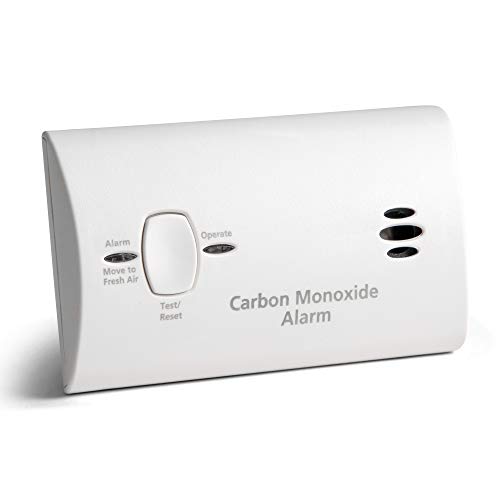
- Bring a battery-backed carbon monoxide detector rated for cold-weather use, since some cheaper detectors perform poorly in freezing temperatures.
Why the Little Buddy’s Size Fits a Shanty Well
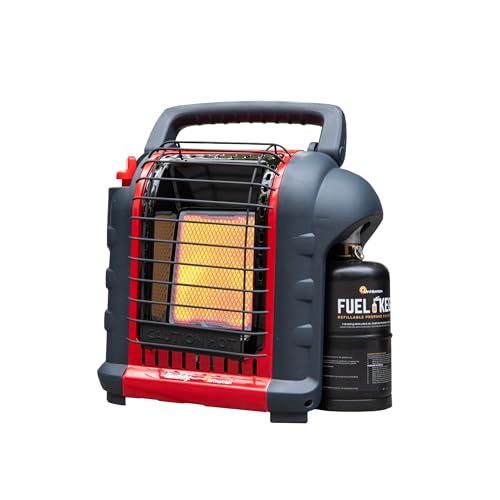
At 3,800 BTU and roughly 5.25 lbs, the Little Buddy is sized appropriately for a one-person shanty’s small footprint. Its fixed output means there’s no adjustable dial to fumble with while wearing thick gloves, which matters more on the ice than almost anywhere else. Its lack of a swivel regulator for a 20 lb. tank is rarely a drawback here, since most anglers carry spare 1 lb. cylinders rather than a bulky tank onto the ice anyway.
When to Size Up Instead
A two-person shanty, or a larger flip-over style shelter, often needs more than the Little Buddy’s fixed 3,800 BTU provides. The standard Portable Buddy reviewed elsewhere on this site covers more space with an adjustable low setting that still sips fuel efficiently. Size up if you’re regularly fishing with a partner or in a shelter larger than a one-person pop-up.
Cold-Weather Ignition Reliability
Owners consistently report the Little Buddy’s piezo ignition working reliably even in genuinely cold ice-fishing conditions, a point worth checking on any heater before relying on it for a pre-dawn setup on the ice. A heater that struggles to light in the cold is a bigger problem on a frozen lake than almost anywhere else, since there’s rarely a warm indoor space nearby to retreat to and troubleshoot.
Fuel Planning on the Ice
A single 1 lb. cylinder runs the Little Buddy for roughly 5 to 7 hours, per the manufacturer’s spec sheet. Bring at least one spare cylinder for a full day on the ice, and keep spares in an inside jacket pocket rather than directly on the ice, since very cold cylinders can perform less consistently.
Handling the Heater With Cold, Gloved Hands
Thick ice-fishing gloves make fine controls harder to operate, which is part of why the Little Buddy’s simple push-button ignition and single fixed setting appeal to anglers. There is no dial to fumble with and no risk of accidentally bumping it to a different setting mid-outing. Practice lighting it at home with gloves on before your first trip, so the process feels familiar once you are actually out on the ice in genuinely cold conditions.
Sharing a Shanty With Electronics
Many anglers run a fish finder, phone, or camera alongside the heater in a small shanty. Keep any electronics a reasonable distance from the heater’s radiant grille, both to avoid heat damage and to keep the heater’s own airflow clear. A cramped shanty with gear piled near the heater is also a shanty where ventilation gets accidentally blocked, so leave clear space around the unit as a rule, not just a suggestion.
Setting Up Before You Drill
Set up the shanty and light the heater before drilling your hole, so the space starts warming while you finish the rest of your setup. Confirm the vent or flap is cracked before lighting, not after you notice the space feels stuffy. Building this into your setup routine every time removes the temptation to skip it on a rushed morning.
Comparing to an Insulated Shanty Without a Heater
Some anglers rely purely on a well-insulated shanty and warm clothing without any supplemental heat at all. Adding a Little Buddy changes that calculation meaningfully for longer sits, letting you shed a layer and stay out longer without the cold cutting a trip short. It is a genuine comfort upgrade for anyone who fishes more than an hour or two at a stretch, not just a nice-to-have.
Verdict
The Little Buddy is a genuinely well-suited heater for a one-person ice-fishing shanty, provided ventilation gets the same attention every single outing. Its size, weight, and fixed simple output all match the use case well. The real risk isn’t the heater itself — it’s treating ventilation as optional in the smallest, most sealed space it’s likely to run in. For the complete spec table and verdict on the heater, see our full Little Buddy review.

Best for One-person ice-fishing shanties up to 95 sq ft
Related Products
See our camping and hunting heater guide for the wider category, or the Mr. Heater Buddy series guide for a full lineup comparison. Pair it with these: