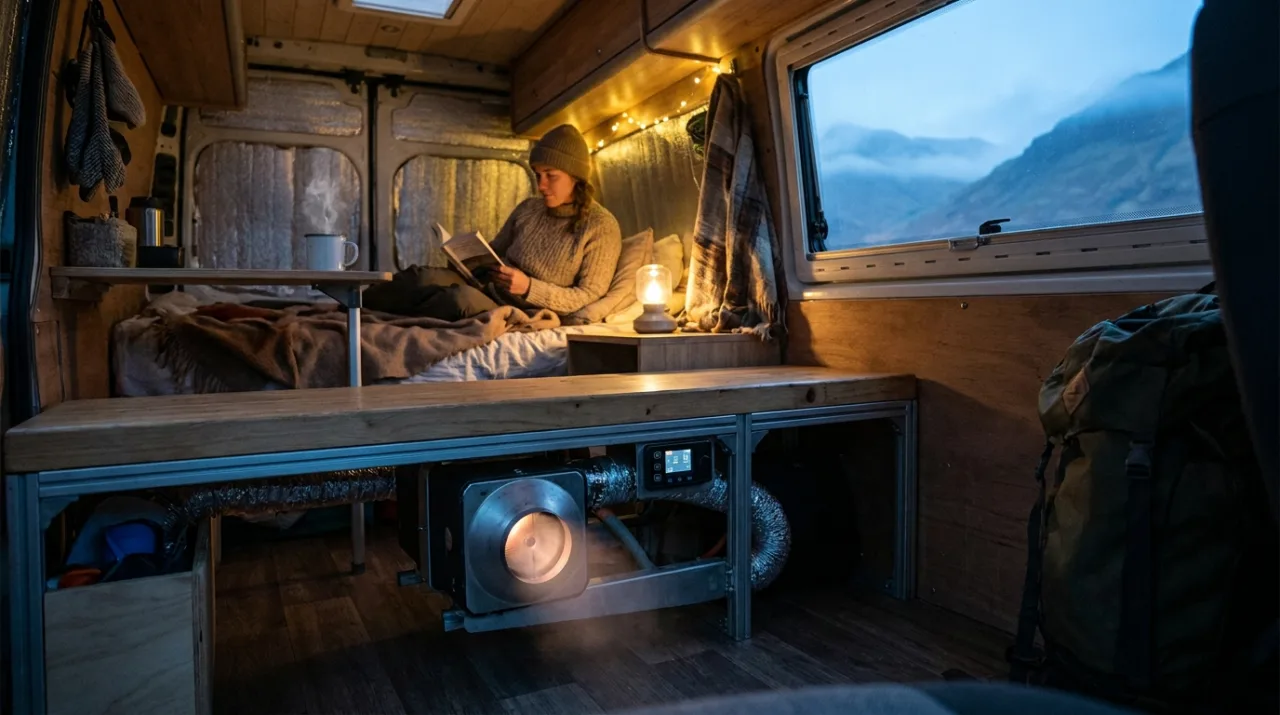

Affiliate disclosure: some links are affiliate links — as an Amazon Associate we earn from qualifying purchases, at no extra cost to you. Full disclosure.
Off-grid living faces a different heating problem than an RV. A cabin, a tiny home, a homestead workshop. No built-in furnace to fall back on. Often no grid electricity at all. The three picks below reflect what off-grid owners consistently rely on for stationary, non-RV structures.
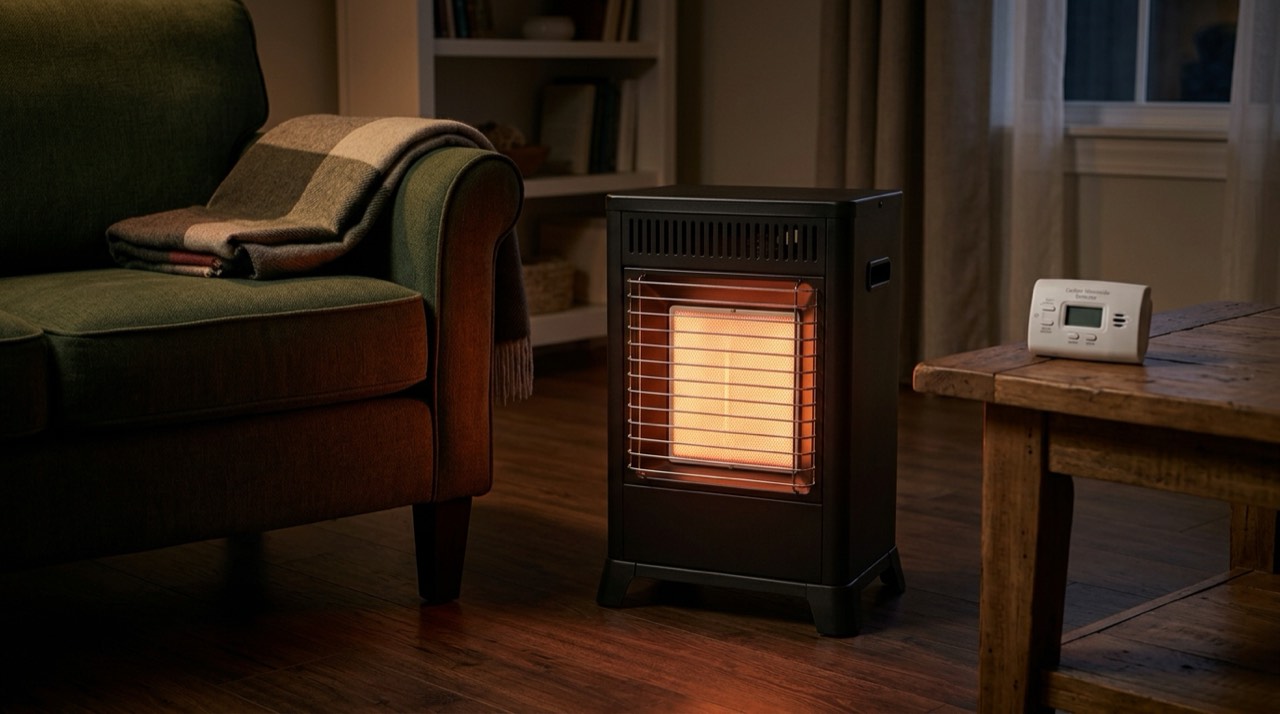
The Short Answer: Best Propane Heater for Off-Grid Living at a Glance
For most off-grid structures, the 18,000 BTU Big Buddy is the strongest all-around pick. A smaller single room does well with the 9,000 BTU standard Buddy. Want silent operation for a sleeping cabin? The Olympian Wave-6 covers that.
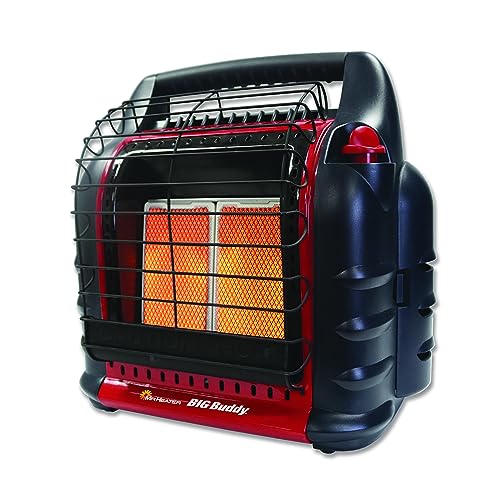
Best for A cabin, tiny home, or off-grid workshop without a fixed furnace
- 4,000–18,000 BTU across three settings
- Fan-assisted heat distribution
- Runs on 1 lb cylinders or hose-connect to a larger tank
Why buy it: Enough output for a genuinely off-grid structure, with no electrical requirement at all beyond an optional igniter, which matters most when there is no grid power to fall back on.
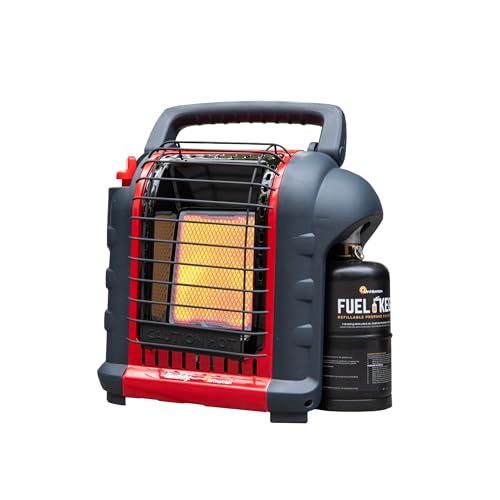
Best for A small off-grid cabin or a single heated room
- 4,000–9,000 BTU on low/high
- Indoor-safe with oxygen depletion sensor
- Lower fuel draw than the Big Buddy
Why buy it: Covers a smaller off-grid structure without the extra size and fuel consumption of the Big Buddy.

Best for A sleeping cabin or homestead structure where silence matters
- 6,000 BTU output
- Silent catalytic operation, no fan
- Portable or permanent wall-mount
Why buy it: The same silent, power-free technology RV owners rely on works equally well as a permanent off-grid cabin installation for anyone who values quiet over portability.
Full Comparison
| Product | Best for | Buy |
|---|---|---|
| Mr. Heater 18,000 BTU Big Buddy PRO Series Heater | Best Overall for Off-Grid Living | Check Price |
| Mr. Heater 9,000 BTU Portable Buddy Radiant Propane Heater | Best for a Small Cabin or Single Room | Check Price |
| Camco 57341 Olympian Wave-6 Catalytic Safety Heater – 6,000 BTU | Best Silent Option | Check Price |
This Guide Is Not About RVs or Van Life
If you are heating a motorhome, travel trailer, or a van life build-out, our dedicated RV heater guide covers that use case specifically, including how a portable heater interacts with a built-in furnace. This guide focuses instead on stationary off-grid structures: cabins, tiny homes, and workshops without that built-in system.
How We Picked for a Tiny Home and Homestead: A Non-Electric Propane Heater First
Off-grid use has its own priorities. First, a genuinely non-electric propane heater — zero or minimal electrical requirement — since grid power often is not an option at all. Second, output high enough to genuinely heat a structure through a real winter, not just take the chill off briefly. Third, fuel logistics that work for a location where refilling tanks may require real travel.
Off-Grid Living and Heating With Propane: Battery-Free Heat for Boondocking and Beyond
Propane solves the core problem off-grid living presents. It delivers reliable, battery-free heat without depending on grid electricity or a constantly running generator — the same non-electric appeal that drives boondocking RV owners toward a portable propane heater instead of a power-hungry electric one. Our full off-grid heating guide covers tank sizing, fuel delivery logistics, and how propane compares to wood heat.
Sizing for a Cabin vs. a Single Room: BTU for Cabin Heating and Overnight Heating
A single heated room in a larger unheated structure can get by with the smaller standard Buddy. A full small cabin, insulated to a reasonable standard, typically needs the Big Buddy’s higher BTU output for genuine cabin heating and reliable overnight heating through a cold snap. An uninsulated workshop or barn needs considerably more. That is closer to a forced-air heater’s output range than any pick in this roundup.
Fuel Logistics for a Remote Property
Off-grid properties often sit farther from a propane refill station than a typical suburban home. This makes tank size and refill frequency a bigger planning factor. A larger tank, 100 lb or bigger, hose-connected to a Big Buddy or a permanent wall-mount setup, reduces how often a refill trip is needed.
Permanent Installation for a Cabin: A Vent-Free Wall-Mount Heater
For a genuinely off-grid dwelling used as a primary residence, a permanent vent-free wall-mount heater is often the better long-term choice. It can connect to a larger tank and run for extended periods without frequent fuel swaps. Beyond the Big Buddy and Olympian Wave, Dyna-Glo and ProCom both sell CSA-listed vent-free wall units sized for a cabin's higher, sustained output needs, worth cross-shopping alongside the portable picks above. Our wall-mount and cabinet heater guide covers that category if a portable pick here does not fit your setup.
Ventilation, the Oxygen Depletion Sensor, Low-Oxygen Shutoff and Tip-Over Shut-Off for a Sealed Off-Grid Structure
An off-grid cabin is often built more airtight than a typical home, specifically to reduce heat loss. This raises the same ventilation considerations covered for RVs and tents elsewhere on this site. Every indoor-safe heater still needs the ventilation specified in its manual, backed up by its built-in oxygen depletion sensor (the low-oxygen shutoff) and a tip-over shut-off. A sealed structure benefits from a dedicated fresh-air vent rather than relying on incidental leaks in construction.
Carbon Monoxide Detector Use Off-Grid
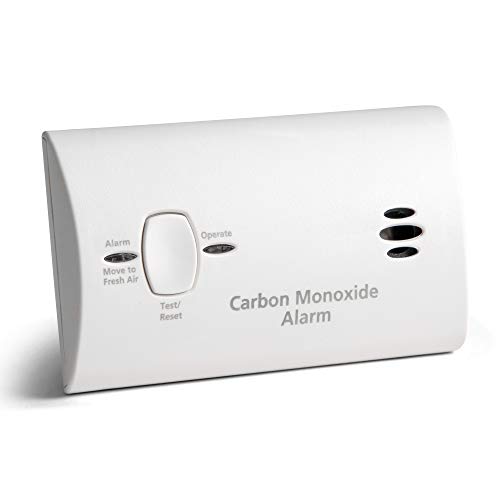
A battery-backed carbon monoxide detector matters more, not less, in an off-grid structure. There is no grid-powered hardwired alarm system to fall back on. Check and replace batteries on a set schedule. A remote off-grid property may not get the same frequent household attention a suburban home does.
Comparing Radiant Heat and a Catalytic Heater to Forced-Air Alternatives
All three picks here rely on radiant heat or a catalytic heater mechanism, well suited to a small to mid-size cabin. A larger, uninsulated barn or workshop needs more raw output than any of them provide. Our forced-air heater guide covers that higher-output category if your off-grid structure is genuinely large.
Combining Solar Power With a Propane Heater
A propane heater’s independence from electricity pairs naturally with a modest solar setup used only for lighting and small electronics. This keeps your electrical system’s demands low, since heating, the single biggest power draw in most homes, never touches your battery bank at all.
Running Cost for an Off-Grid Cabin: A 20-lb Tank, Fuel Efficiency and Propane Consumption
Using the standard conversion of roughly 21,600 BTU of usable energy per pound of propane, the Big Buddy at its full 18,000 BTU setting burns through a 20-lb tank in about 24 hours. Running it on a lower setting for better fuel efficiency, or connecting to a larger 100 lb tank, extends this considerably, which matters for a genuinely off-grid property far from easy resupply. Overall propane consumption scales more with insulation and heating hours per day than with the heater choice itself.
Sizing for a Barn or Workshop vs. a Living Space
A workshop or barn used intermittently does not need the same continuous output as a living space occupied daily. A portable Buddy-style heater run only while working suits a workshop well. A daily-use cabin benefits from a heater sized for continuous, reliable operation through the coldest stretch of winter.
Building a Basic Off-Grid Heating Kit
Beyond the heater itself, a sensible starting kit includes a spare 1 lb cylinder or two, a hose-and-filter kit for connecting to a larger tank, a battery-backed carbon monoxide detector, and a basic understanding of your nearest propane refill or delivery option. This covers the essentials without overspending on gear you may never need.
Transitioning From an Existing Wood Stove
Some off-grid households add a propane heater as backup or supplemental heat alongside an existing wood stove, rather than replacing it outright. This gives you a reliable heat source on days when splitting and tending a fire is not practical, while keeping wood as the primary, lower-cost heat source most of the season.
What to Check Before Your First Off-Grid Winter
Test your chosen heater at home before relying on it through a full winter at a remote property. Confirm your fuel supply and delivery plan are actually in place, not just theoretical. Check that your carbon monoxide detector has fresh batteries. These three checks catch most of the problems that would otherwise surface at the worst possible time.
New vs. Used for Off-Grid Heaters
The standard and Big Buddy’s simple radiant mechanism makes a used unit in good condition a reasonable way to save money, since there is not much complex machinery to fail silently. The Olympian Wave’s catalytic pad does have a service life, so check its condition carefully before buying used, since a degraded pad is not always obvious from a visual inspection alone.
How Off-Grid Heating Needs Change Over Time
A property’s heating needs can shift as you add insulation, build out additional structures, or change how many people live there full-time. Revisit your heater choice every few years rather than assuming your original setup remains ideal indefinitely, especially after any significant change to the structure itself.
Combining Multiple Heat Sources for Redundancy
A genuinely off-grid property benefits from having more than one way to produce heat, since a single point of failure, whether a heater malfunction or a fuel shortage, carries more consequence when there is no backup heating plan nearby. Keeping a second, smaller heater as backup, even a basic Little Buddy, is a low-cost insurance policy against your primary heater failing during genuinely cold weather.
Working With a Local Propane Supplier and Propane Tank Size
Building a relationship with a local propane supplier familiar with your specific off-grid property pays off over time, since they can flag issues like an unusually fast-draining tank that might indicate a leak, and they often know the realistic delivery timelines for your specific access road or driveway conditions better than a call-center scheduling system would.
Off-Grid Heating and Property Value
A well-thought-out off-grid heating setup is a genuine selling point if you ever list the property. This means a properly sized tank and a reliable heater. Buyers in this market specifically look for evidence that heating has been solved reliably, not left as an open question.
A Note on Fire Safety for a Wood or Timber Cabin
A cabin built largely from wood needs extra care around heater clearance from combustible walls and furnishings. Follow the manual’s stated clearance distances as a strict minimum, not a suggestion, and keep a basic fire extinguisher within easy reach of wherever the heater runs most often.
Involving the Whole Household in Off-Grid Safety Habits
If more than one person lives at or visits an off-grid property regularly, make sure everyone understands the same basic rules: where the heater sits, its clearance zone, and what to do if the carbon monoxide detector sounds. A safety habit only one person follows consistently is not a reliable safety habit for the whole household.
Seasonal Maintenance for Off-Grid Heaters
Clean dust and debris from the burner assembly before the first cold night of each season, since an off-grid structure often sits unused for stretches of warmer months and can accumulate more buildup than a heater used year-round. Check the hose and connections for cracking at the same time, before relying on the heater through another winter. A five-minute check now saves a cold surprise later.
Backup Plans if Your Primary Heater Fails
Know your fallback before you need it: a second smaller heater, extra blankets and insulation, or a plan to relocate temporarily if heating fails completely during genuinely dangerous cold. An off-grid property’s distance from help makes this kind of backup planning more important than it would be for a home with easy access to emergency services or a quick equipment swap.
A Closing Note on Honest Sizing
It is tempting to buy the largest heater available "just in case." Oversizing wastes fuel and money. There is no real comfort benefit once a space is already adequately warm. Measure your actual structure. Apply the guidance above. Trust the smallest pick that genuinely covers it. That approach beats guessing every time, and it is the same principle that runs through every guide on this site.
Final Thoughts on Off-Grid Heater Selection
The right off-grid heater matches your structure’s real size and your actual pattern of use. It is not the one with the biggest BTU number on the box. Start with the smallest pick that comfortably covers your space. Add the safety and fuel-logistics planning covered above. The rest of the decision becomes straightforward.

What Off-Grid Owners Report
Reliability without dependence on any external power source is the most repeated praise point across all three picks. Owners who tried an electric heater first, then switched to propane after a power outage, describe the switch as the single biggest improvement to their off-grid heating reliability.
Quick Recap: Heat Coverage and the Best Value Pick
The Big Buddy handles most off-grid structures well, with heat coverage suited to a small cabin's whole main room rather than just one corner. The standard Buddy covers a smaller single room and is often the best value pick for that scale. The Olympian Wave-6 wins on silence for a sleeping cabin. All three need no grid power at all. That is the real deciding factor for off-grid use, and it is worth weighing above every other spec on the page.