
Affiliate disclosure: some links are affiliate links — as an Amazon Associate we earn from qualifying purchases, at no extra cost to you. Full disclosure.
Looking for the full spec breakdown and verdict on the Portable Buddy itself? Read our complete Mr. Heater Portable Buddy (MH9BX) review →
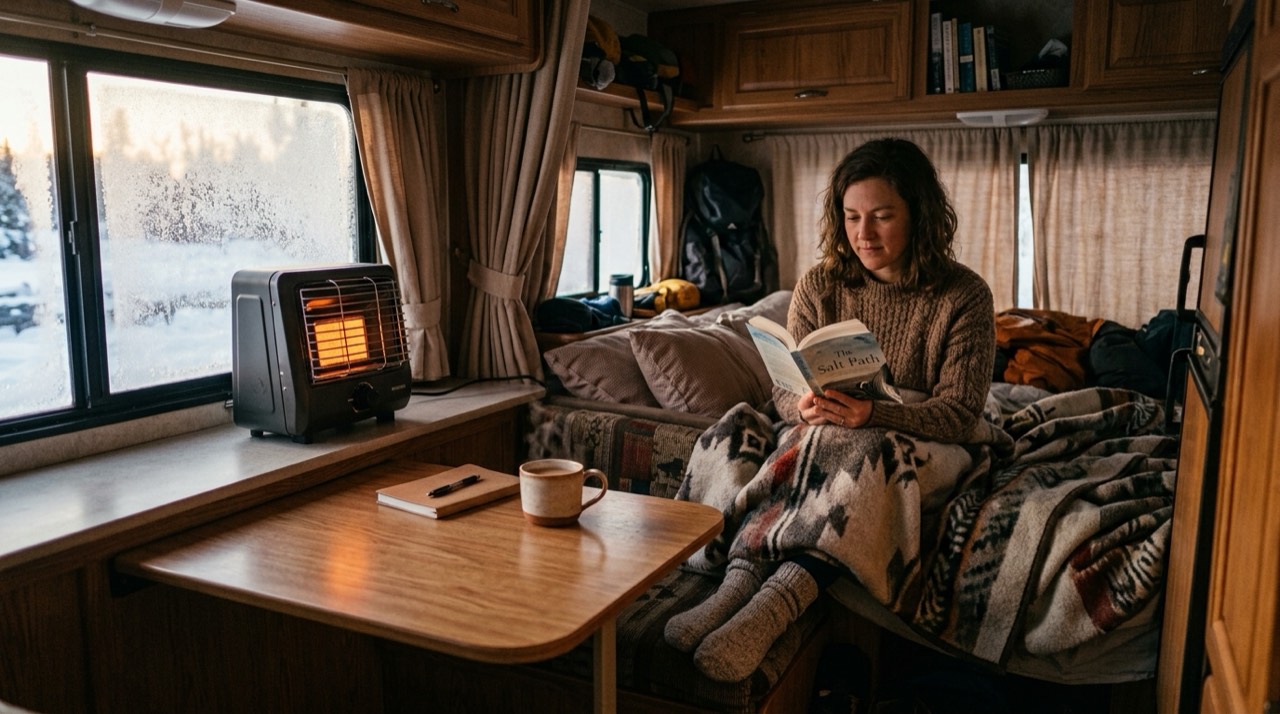
A camper van or small travel trailer is a different space than a full-size RV. It’s smaller, often better insulated per square foot, and usually has just one open living area rather than several separated rooms. That makes the Portable Buddy a genuinely strong fit for many van builds, where the Big Buddy reviewed elsewhere in this hub would be oversized. This page focuses on that sizing decision.
Top 3 Recommended
What "Small RV" Covers in This Guide
This guide treats a cargo van conversion, a teardrop trailer, and a compact truck camper as broadly similar cases, since they share the key traits that matter here: a single open living area, a small total interior volume, and typically no separated bedroom. A larger travel trailer with a slide-out or a dedicated bedroom behaves more like the full-size RV case covered further down, even if its overall length looks similar to a van on paper.
Why Van Size Changes the Heater Math
A converted cargo van’s interior often runs well under 100 sq ft of usable floor space. That’s comfortably inside the Portable Buddy’s 225 sq ft rating, with real headroom to spare. A full-size Class A or C motorhome’s living area, by contrast, often exceeds what the Portable Buddy comfortably covers, especially with a separate bedroom or slide-out section. Match the heater to your actual floor plan, not just the vehicle’s overall length.
Oxygen Depletion Is a Bigger Concern in a Smaller Space
A smaller, more sealed van interior has less total air volume than a full-size RV. That means a fixed level of oxygen consumption from combustion represents a larger percentage of the available air in a van than in a bigger rig. The Portable Buddy’s oxygen depletion sensor is designed to shut the heater off before oxygen drops to an unsafe level, but that’s a safety backstop, not a substitute for actual fresh-air ventilation. Crack a roof vent or window whenever the heater runs, every time, regardless of how cold it feels outside.
Sizing Up for a Bigger Rig
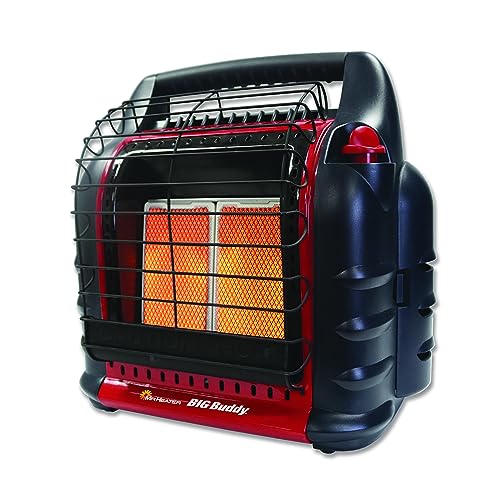
For a full-size RV, a travel trailer with a separate bedroom, or any rig where the Portable Buddy’s 225 sq ft ceiling feels tight, the Big Buddy as RV backup heat guide covers that larger use case, including the tradeoff between the standard and fan-equipped PRO Series for an RV’s broken-up floor plan.
Tie-Down for Travel
A camper van’s tighter storage space makes proper heater tie-down even more important than in a bigger RV with more storage options. Dedicate a specific cabinet or strapped-down spot for the heater during travel, disconnect any cylinder before driving, and never leave it loose on a seat or the floor where it can slide into a wall or occupant during hard braking.
Battery Power Considerations in a Van
Many van conversions run on a limited house battery bank without shore power access most nights. The Portable Buddy needs no electricity at all to run, unlike a built-in furnace’s blower and igniter. That makes it a genuinely appealing off-grid option for exactly this reason. See our running a propane heater on battery power guide for the fuller picture on this tradeoff.
The Buying-Decision Checklist
- Cargo van or small camper van conversion? The Portable Buddy’s 225 sq ft rating fits most van interiors comfortably.
- Full-size RV or motorhome with a separate bedroom? Step up to the Big Buddy for the extra coverage.
- Running fully off-grid on battery power? The Portable Buddy needs zero electricity, a real advantage over a furnace’s power draw.
- Traveling frequently in a tight space? A dedicated tie-down spot matters more here than in a bigger rig with more storage.
Ventilation Still Comes First
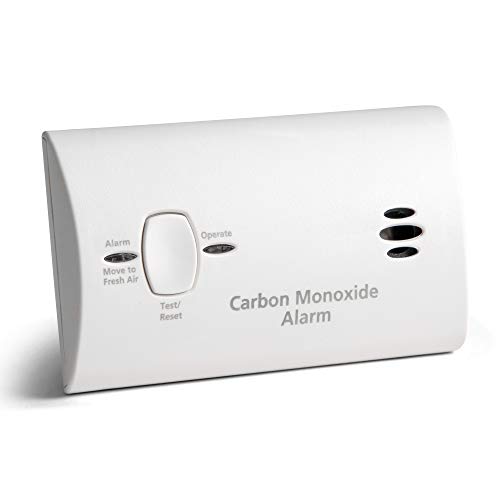
Regardless of vehicle size, ventilation requirements don’t shrink just because the space does — if anything, they matter more. See our RV propane heater ventilation guide for the complete requirements, and keep a battery-backed carbon monoxide detector in the van at all times the heater is in use.
Insulation Quality Matters as Much as Square Footage
A well-insulated, professionally built van conversion holds heat far better than a bare, uninsulated cargo van of the same size. If your build lacks proper wall and ceiling insulation, the Portable Buddy may need to run more often or on a higher setting than its 225 sq ft rating alone would suggest. Check your specific insulation quality before assuming the manufacturer’s coverage number applies directly to your build.
Cost to Run in a Van
A single 1 lb. cylinder lasts about 3 hours on the 9,000 BTU High setting or 6 hours on Low, per the manufacturer’s spec sheet. For a multi-day trip, budget several spare cylinders or add the optional 20 lb. tank hose for much longer runtime between refills, especially if you’re relying on the heater most nights rather than occasionally.
Noise Considerations While Parked Overnight
The Portable Buddy runs without a fan, producing only a soft burner hiss, which many van dwellers prefer for overnight parking in a quiet lot or campground. That silence also matters practically: a fan-equipped heater running overnight draws more attention in a stealth-camping situation than a genuinely silent radiant heater does.
Verdict
The Portable Buddy is a genuinely strong fit for most camper van conversions and small RVs, where its 225 sq ft rating covers the space with room to spare and its battery-free operation suits off-grid use well. For a full-size RV or a rig with a separate bedroom, the Big Buddy reviewed elsewhere on this site is the better-sized choice. Read the full Portable Buddy review linked above for the complete spec table and verdict before deciding.
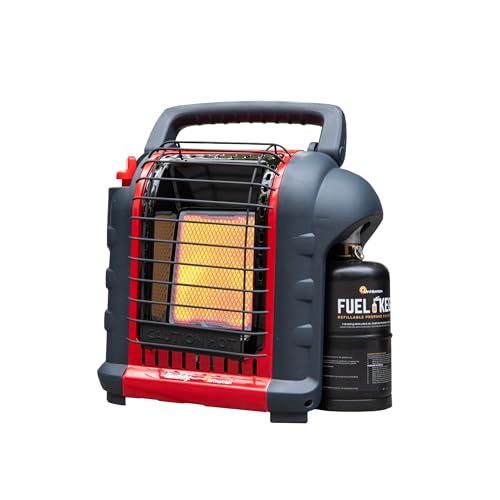
Best for Camper vans and small RVs up to 225 sq ft
Related Products
See our RV and off-grid heater guide for the wider category, or the Mr. Heater Buddy series guide for a full lineup comparison. Pair it with these: