
Affiliate disclosure: some links are affiliate links — as an Amazon Associate we earn from qualifying purchases, at no extra cost to you. Full disclosure.
Looking for the full spec breakdown and verdict on the Big Buddy PRO Series itself? Read our complete Mr. Heater Big Buddy PRO Series review →
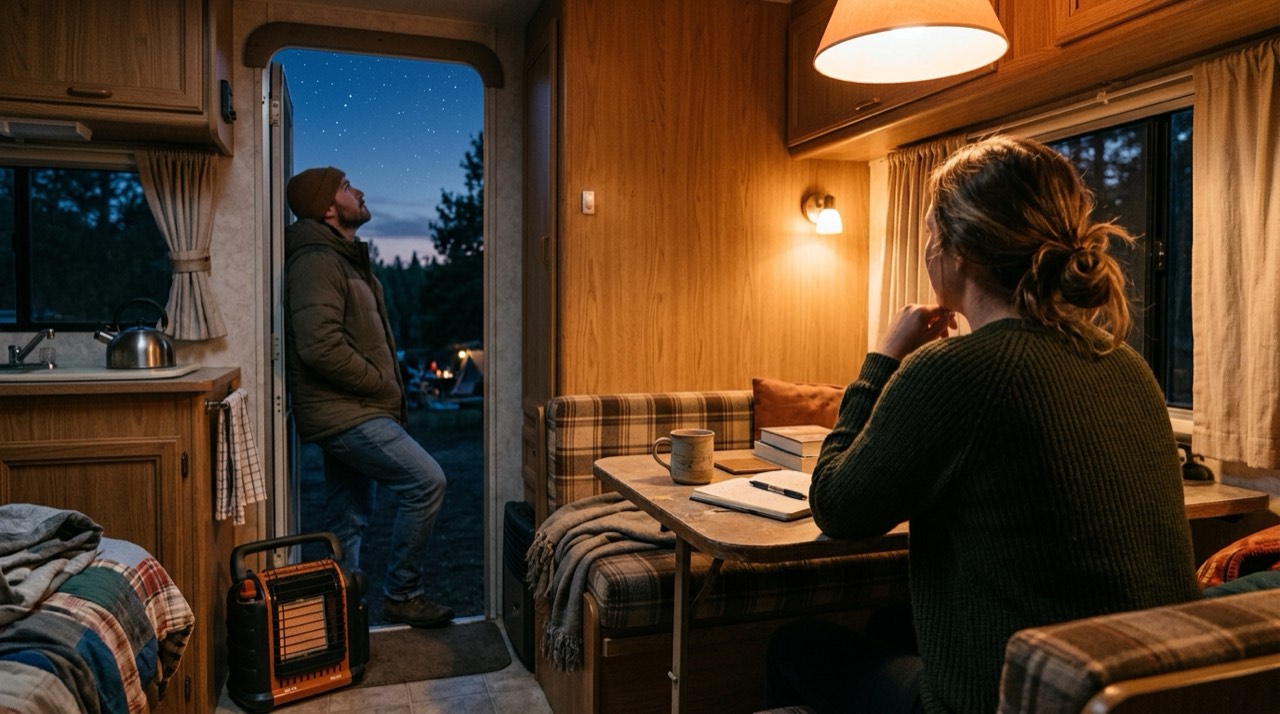
Most RVs and travel trailers already have a built-in propane furnace. A Big Buddy doesn’t replace that. It fills a different role: backup heat when the furnace fails, supplemental heat in a specific area, or a battery-free option when running the furnace’s blower motor would drain a limited power bank. This page covers that role specifically, not a spec teardown you can find in our full review linked above.
Top 3 Recommended
How Often Owners Actually Reach for a Backup Heater
Aggregated owner feedback across RV forums and reviews suggests furnace failures and dead batteries happen often enough that experienced RVers treat a backup heater as standard gear, not an edge-case purchase. A Big Buddy that sits unused all season is a reasonable outcome. One that saves a cold, off-grid night when the furnace won’t start justifies its storage space many times over.
Why Bring a Portable Heater If You Already Have a Furnace
An RV furnace runs on the vehicle’s battery to power its igniter and blower fan, even though it burns propane for heat. A dead battery means no furnace heat at all, regardless of how much propane is in the tank. A Big Buddy needs no vehicle power to run. That makes it a genuine backup for a battery failure, a blown fuse, or simply conserving battery for other systems during off-grid, non-shore-power camping. See our furnace vs portable heater comparison for the fuller picture on this tradeoff.
Why the PRO Series Fits an RV’s Floor Plan Better
An RV interior is rarely one open room. It’s broken up by a kitchen island, a dinette, a bathroom wall, and low ceilings that vary in height. Radiant heat alone, from the standard Big Buddy, can leave the far end of a longer RV noticeably cooler than the end nearest the heater. The PRO Series’ integrated fan blends that radiant heat with forced convection, pushing warm air further into an oddly shaped space than radiant heat alone reaches. That’s the specific reason this page defaults to the PRO Series over the standard model for RV use.
When the Standard Big Buddy Is Still the Better Pick
For a smaller, more open camper van or a single-room teardrop trailer, the standard Big Buddy’s fan-free, quieter operation may be preferable, especially for anyone sensitive to fan noise while sleeping. See our standard Big Buddy review for its complete spec table.
Tie-Down and Travel Storage
Unlike a built-in furnace, a Big Buddy travels loose unless you secure it. Store it upright in a stable cabinet or floor space during travel, not on a seat or shelf where it can slide or tip during braking and turns. Disconnect any cylinder before travel, and never store a connected or partially used cylinder inside a moving vehicle’s cabin. A dedicated storage spot you use every single trip prevents the heater from becoming a projectile hazard during hard braking.
Condensation in a Sealed RV
Burning propane produces water vapor as a combustion byproduct, in addition to heat. In a well-sealed RV with limited air exchange, that vapor can condense on cold windows and metal surfaces, more noticeably than in a drafty house. Crack a roof vent or window slightly whenever the heater runs, both for combustion air exchange and to reduce condensation buildup. Wipe down windows in the morning if you notice moisture accumulating overnight.
Ventilation and Elevation-Specific Concerns
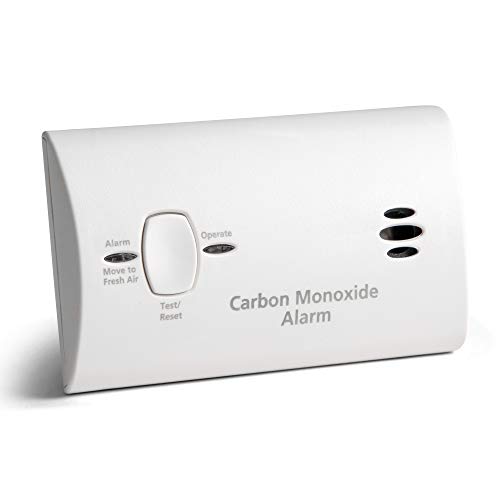
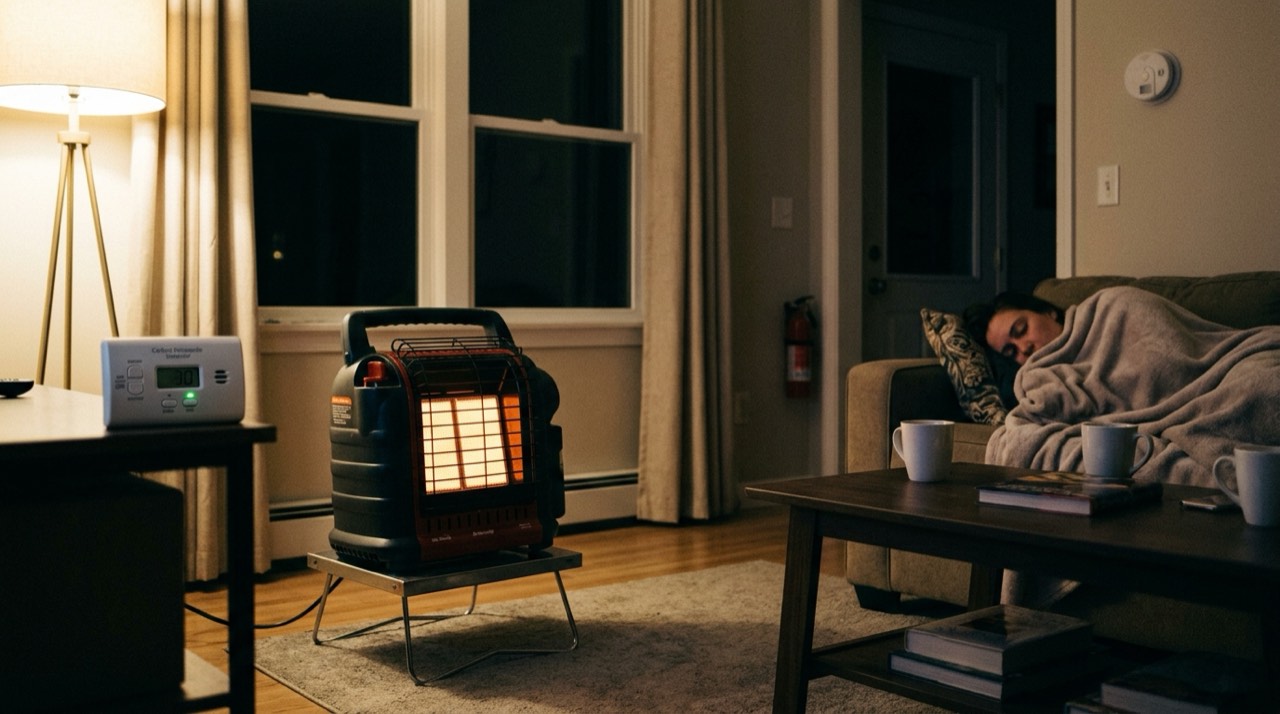
RV ventilation needs the same rigor as any enclosed indoor space, arguably more given how sealed modern RVs are built. See our RV propane heater ventilation guide for the complete requirements. Keep a battery-backed carbon monoxide detector in the RV regardless of which heater model you choose, and never run a Big Buddy while the vehicle is moving.
The Buying-Decision Checklist
- Longer RV or motorhome, uneven floor plan? The PRO Series’ fan-assisted heat reaches further into the space.
- Smaller van or single-room trailer, fan noise a concern? The standard Big Buddy’s quieter radiant-only operation fits better.
- Primary concern is furnace battery failure? Either Big Buddy version works as backup, since neither needs vehicle power.
- Traveling frequently? Budget real storage space and a tie-down routine regardless of which model you pick.
Fuel Setup for a Fixed Camping Spot
Both Big Buddy versions support an optional hose to a 20 lb. tank, which suits a longer stay at a single RV park better than a stack of 1 lb. cylinders. If your RV already carries a spare 20 lb. tank for other appliances, that hose accessory turns the Big Buddy into a much longer-runtime backup without extra cylinder purchases. For a quick overnight stop, the 1 lb. cylinder setup keeps things simple with no hose to store or connect.
Cost to Run as Backup Heat
Because a Big Buddy runs only when the furnace isn’t an option, fuel cost usually matters less than reliability and setup speed. Still, budget for the higher fuel draw at 18,000 BTU compared to a smaller Buddy model, especially if you end up relying on it for more than a night or two during an extended off-grid stretch. Running on the Low setting whenever the space allows stretches a cylinder or tank noticeably further.
Verdict
A Big Buddy earns its place in an RV as backup and supplemental heat, not a furnace replacement. The PRO Series’ fan-assisted heat is the better default for a typical RV’s broken-up floor plan, while the standard model suits a smaller, more open space where quiet matters more. Read the full PRO Series review linked above for the complete spec table and verdict before deciding.
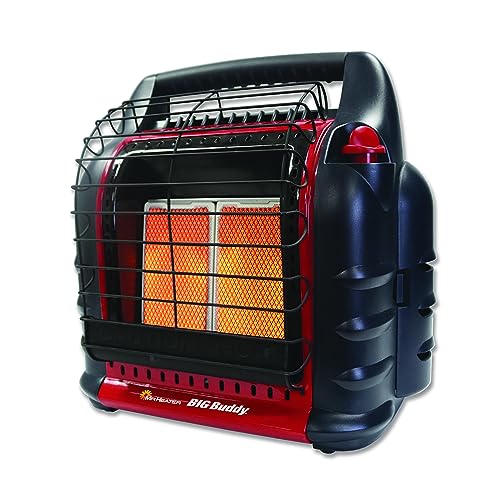
Best for Full-size RVs and travel trailers wanting a portable backup to the built-in furnace
Related Products
See our RV and off-grid heater guide for the wider category, or the Mr. Heater Buddy series guide for a full lineup comparison. Pair it with these: