

Affiliate disclosure: some links are affiliate links — as an Amazon Associate we earn from qualifying purchases, at no extra cost to you. Full disclosure.
An RV interior is smaller and more sealed than a typical room. This raises the stakes on ventilation more than almost any other indoor-safe heater use case on this site. Here is what that actually requires.

Top 3 Recommended
Why RV Ventilation Is Different From a House
A house has a much larger air volume. It typically has more incidental air exchange through construction gaps, doors, and windows. An RV’s smaller sealed volume means the same heater output depletes oxygen faster, relative to the space, than it would in a house.
What "Indoor-Safe" Means for a Heater, and What It Doesn’t
An indoor-safe heater’s oxygen depletion sensor is a backstop against one specific failure mode. It is not a substitute for the ventilation the manufacturer specifies. Every indoor-safe heater still requires the ventilation stated in its manual, typically a cracked window or roof vent.
Minimum Ventilation for a Catalytic Heater
Catalytic heaters like the Olympian Wave series specify a minimum ventilation requirement in their manual. This is commonly a partially open roof vent or window. The catalytic process itself produces very little carbon monoxide, but follow the manual’s specific figure anyway rather than assuming less is needed.
Minimum Ventilation for a Radiant Buddy-Style Heater
A radiant heater’s ODS-based safety system carries the same basic guidance as in a tent or garage. Crack a window or vent even with the sensor present. In an RV, this typically means a roof vent partially open or a window cracked on the opposite side of the rig, to encourage genuine air movement.
Roof Vents vs. Window Cracking
A powered roof vent fan, common on most RVs, actively moves air. This beats relying on passive airflow through a cracked window alone. Running a roof vent fan on low while a heater operates is often more effective, especially in cold weather when opening a window wide feels uncomfortable.
Ventilation While Sleeping
Ventilation matters most exactly when it is most tempting to skip. Overnight, while sleeping, when the RV feels coldest and sealing everything up feels most appealing. This is exactly why manufacturers advise against leaving any heater running unattended overnight while occupants sleep.
Cross-Ventilation in a Multi-Room RV
A larger fifth-wheel or motorhome with separate zones benefits from ventilation on both ends of the occupied space, not just near the heater. This encourages genuine air movement through the whole interior. It matters more in a larger, multi-room RV than in a small camper.
Ventilation in Extreme Cold
Genuinely cold weather makes cracking a window feel counterproductive. But skipping ventilation exactly when a heater runs longest and hardest is backwards from a safety standpoint. A small, consistent vent opening matters more in extreme cold, not less.
Signs Your Ventilation Isn’t Adequate
Rapid window condensation. A heater’s oxygen depletion sensor tripping repeatedly. Occupants reporting headaches or unusual drowsiness. All of these are signs ventilation needs improvement. Treat any of them as a prompt to open more ventilation before resuming heater use.
Combining a CO Detector With Proper Ventilation
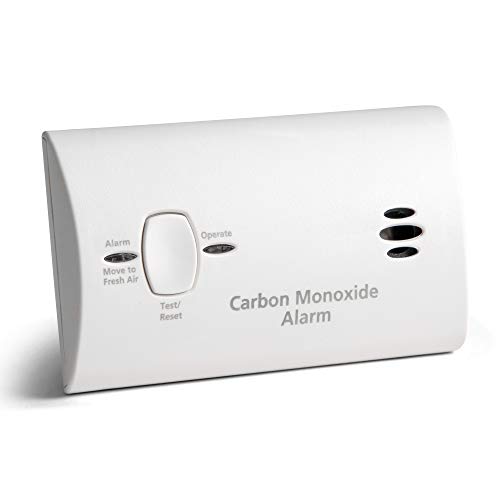
A carbon monoxide detector is a second layer of protection, not a replacement for proper ventilation. Many RVs include a CO detector as standard equipment. Confirm yours is present, tested, and has fresh batteries at the start of each heating season.
Ventilation Checks Before Every Trip
Confirm your roof vents open and close smoothly and that window seals are not stuck before each trip, ideally at home rather than discovering an issue at the campsite. A vent that won’t open properly defeats the whole ventilation plan regardless of how careful you are about cracking it.
Teaching Passengers About RV Ventilation
If more than one person rides in or occupies the RV regularly, make sure they understand which vents to use and why, not just the driver or primary owner. A ventilation habit only one person follows consistently is not a reliable safety habit for the whole group.
Ventilation During Rain or Snow
Bad weather makes campers reluctant to crack a roof vent or window, exactly when a heater is most likely to be running hard. A roof vent’s rain cover, standard on most RVs, allows a small amount of airflow even during precipitation, which is a better option than sealing the RV completely until weather clears.
Ventilation Differences Between Older and Newer RVs
Older RVs sometimes have less effective seals around windows and doors, which paradoxically provides some incidental air exchange a newer, more tightly sealed RV lacks. A newer, well-sealed RV needs more deliberate ventilation planning specifically because it does not benefit from this incidental leakage the way an older unit might.
Ventilation Fans and Battery Draw
A powered roof vent fan does draw some battery power, a small fraction of what a furnace blower uses, but worth factoring in during an extended boondocking stay where every electrical load matters. Running it on the lowest effective speed balances ventilation needs against battery conservation.
What to Do if a Vent Won’t Open
A stuck or painted-shut roof vent defeats your ventilation plan entirely, regardless of how carefully you follow every other guideline in this guide. Address a stuck vent before your next trip rather than working around it, since a cracked window alone is a less reliable substitute for a properly functioning roof vent.
Ventilation for Multiple Heaters Running at Once
Sometimes you run a portable heater alongside the built-in furnace. This happens in genuinely extreme cold. Total ventilation needs increase then. Two combustion sources draw oxygen from the same interior volume. Increase ventilation accordingly. Do not assume your usual single-heater setup is adequate for two heat sources together.
How to Explain Ventilation Needs to a First-Time RV Renter
Rental RVs often go to first-time users with no experience running a propane heater. A quick walkthrough of the roof vent location and the basic rule, crack it whenever the heater runs, prevents most safety mistakes. This takes two minutes at pickup and matters more than any other single piece of orientation information.
Ventilation Labeling on Newer RV Models
Some newer RV models include a small placard near the heater or furnace stating the minimum required ventilation directly. Check for this placard on your specific rig. It saves you from digging through a full owner’s manual just to confirm a basic requirement you need every single time you run the heater.
A Simple Pre-Heating Ventilation Routine
Before lighting any heater, open your chosen vent first, then light the heater. This order matters more than it seems. Establishing airflow before combustion begins gives the space a head start on air exchange, rather than trying to catch up after the heater is already running.
The Bottom Line on RV Ventilation
Ventilation is not optional, and it is not something the ODS or a CO detector replaces. Treat the manual’s specific figure as a firm requirement, build it into your lighting routine every time, and confirm your vents and detectors actually work before you need them.

The Short Version
Follow the manual’s specific ventilation figure for your exact heater. Use a roof vent fan on low, or a cracked window, actively rather than passively when possible. Never skip ventilation because it is cold outside. Confirm a working CO detector as backup.