

Affiliate disclosure: some links are affiliate links — as an Amazon Associate we earn from qualifying purchases, at no extra cost to you. Full disclosure.
A van conversion runs on a much smaller solar and battery budget than a house or even a larger RV. Every appliance’s power draw matters more. Propane heat is one of the few heating options that does not compete for that limited capacity.

Top 3 Recommended
Why Van Builders Choose Propane Over Electric Heat
An electric heater draws a significant load from a van’s battery bank. It is often more than the bank can sustain for a full night without a hookup or a running engine. A propane heater, catalytic or radiant, needs essentially no electrical power to produce heat. That is exactly why it dominates van-life heating discussions.
What Electrical Load a Propane Heater Actually Has
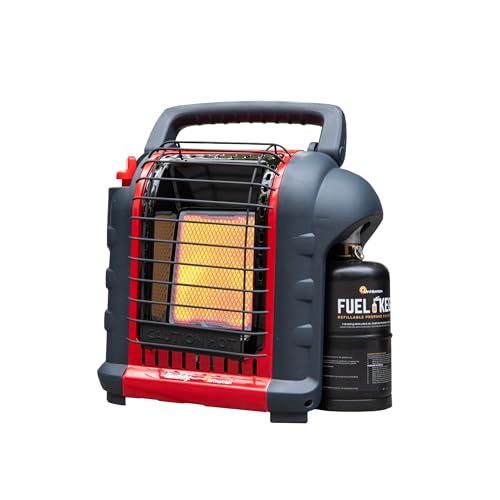
The only electrical draw on most propane heaters comes from an optional battery-powered igniter. This is a tiny load compared to the heat output itself. A piezo-ignition model, like the standard Mr. Heater Buddy, needs no battery power at all. The spark comes from a mechanical piezo element, not an electronic ignition system.
Sizing Your Van’s Heater Around Your Solar Setup
A propane heater barely touches your battery budget. Sizing it is mostly about the van’s interior square footage. A small van conversion, under 100 sq ft, is usually well served by the Little Buddy or the catalytic Wave-3. A larger van or skoolie conversion may need the standard Buddy or Wave-6 instead.
Catalytic vs. Radiant for a Van Interior
A catalytic Wave heater’s broad, gentle, silent heat suits a long, narrow van interior. This is where you move around and sleep in the same space overnight. A radiant Buddy-style heater’s directional heat works better for a single zone you actively occupy. Its portability means it can move between the van and an outdoor setup.
Permanent Installation in a Van Build
A permanently mounted catalytic heater, wired into the van’s fixed propane system, is a common choice during a full conversion build. It integrates cleanly into the finished interior. It connects to a larger onboard tank rather than requiring cylinder swaps. This needs careful planning during the build phase for clearance from cabinetry and combustible materials.
Portable Setups for a Simpler Van Conversion
Not every van build includes a fixed propane system. A portable Buddy-style heater running on swappable 1 lb cylinders is a reasonable, lower-commitment option for a simpler conversion. This avoids the plumbing and installation work a permanent system requires. It does mean managing cylinder swaps more often.
Ventilation in a Small Van Interior
A van’s interior volume is smaller than even a compact RV. Ventilation matters even more. Every indoor-safe heater still needs the ventilation specified in its manual, typically a cracked window or roof vent. A sealed van conversion benefits from a dedicated vent fan or intake rather than relying on incidental gaps in the build.
Carbon Monoxide and Propane Detection in a Van
A tight van interior is one of the more consequential places to skip a carbon monoxide detector. Little air volume exists to dilute any buildup. A combined CO and propane leak detector, mounted low near the heater and floor level, is worth the modest cost.
Managing Fuel on the Road
Full-time van dwellers face a different fuel-logistics challenge than a weekend camper. Propane needs to be refillable or exchangeable wherever the road takes them. Most truck stops, RV parks, and hardware stores offer propane refill or exchange service. Planning fuel stops around known locations is a habit experienced van-lifers develop quickly.
Winter Van Life: When Propane Heat Becomes Essential
Van conversions are generally less insulated than a house or a larger RV. Even a well-insulated van loses heat faster than a comparable house in genuinely cold conditions. For anyone van-dwelling through a real winter, propane heat shifts from a nice-to-have to a genuine necessity for comfort and for preventing frozen plumbing.
Solar Panel Sizing When You Rely on Propane for Heat
Because heating draws almost nothing from your battery system, your solar and battery sizing can focus on lighting, refrigeration, water pumps, and electronics instead. This is a meaningful simplification for anyone designing a van’s electrical system from scratch, since heating would otherwise be one of the largest loads to plan around.
Choosing Between Two Heaters for a Larger Van Build
Some larger van and skoolie conversions run both a permanent catalytic heater for overnight silence and a portable Buddy-style unit for daytime use outside or in a workspace. This mirrors the same dual-heater approach RV owners use, adapted to the smaller scale of a van build.
Where to Mount a Propane Tank in a Van
Most van builds mount a small refillable tank in an exterior compartment or a dedicated vented enclosure, rather than inside the living space, to keep any potential leak away from the occupied cabin. This requires planning during the build phase, since retrofitting a proper vented tank compartment after the interior is finished is far more disruptive.
Propane Line Routing in a Finished Van Interior
A permanent installation runs a fixed propane line from the tank compartment to the heater, typically routed through the van’s floor or wall cavities alongside other utilities. This line needs to be rated for propane use and properly secured against vibration, which is a real consideration in a vehicle that moves and flexes far more than a stationary RV.
Testing Your Van’s Heating System Before a Trip
Light and run your heater at home for at least twenty minutes before your first extended trip, checking for any gas smell, unusual noise, or connection issue while you still have easy access to tools and parts. This is far easier to troubleshoot in your driveway than at a remote camping spot.
Van Life in Different Climates
A van-lifer who mostly travels through mild coastal climates has very different heating needs than one who winters in the mountains or high desert. If your travel plans include genuinely cold regions, size your heater toward the higher end of what your van’s interior suggests, since a single cold snap in an unfamiliar climate can catch an undersized setup off guard.
Community Resources for Van Heating Questions
Van-life forums and build communities are a genuinely useful resource for questions specific to your exact van model and heater choice, since many builders have documented their own installations in detail. Cross-referencing a specific installation approach against manufacturer guidance for your heater model is still worth doing before committing to any non-standard setup.
Battery Bank Sizing Without a Propane Heater Complicating It
Since your heater draws almost nothing from the battery bank, size your solar and battery system around your other loads first, then treat the heater’s tiny igniter draw as a rounding error rather than a real design constraint. This simplifies what is otherwise one of the more complex parts of planning a van’s electrical system.

The Bottom Line
Propane heat is the practical default for van life. It does not compete with your solar and battery system’s limited capacity. Choose catalytic for silent, permanent installation or radiant for portability. Size to your van’s actual interior. Treat ventilation and CO detection as non-negotiable in such a compact space.