
Affiliate disclosure: some links are affiliate links — as an Amazon Associate we earn from qualifying purchases, at no extra cost to you. Full disclosure.
Late winter through early spring is when most campers, hunters, and RV owners shop for tent-safe heaters and fuel ahead of the season’s first trips. This guide is not a live deal tracker — we do not publish specific prices or claimed discount percentages, since those change constantly. Instead, it covers what to actually shop for: which categories move first, what a fair price range looks like, and how to avoid the fake-discount tricks that show up around any seasonal shopping window. Every pick below comes from aggregated owner reviews and manufacturer specs.
Why Pre-Season Is the Right Time to Shop
Retailers restock camping gear ahead of spring demand, and shopping before the season gets underway means you can actually test a heater at home before relying on it at a campsite. Waiting until the week before a trip often means picking from reduced stock rather than the full lineup.
Which Categories Move First
Compact, tent-safe radiant heaters like the Buddy and Little Buddy lines are typically the first to see reduced stock as the season progresses, since they cover the broadest range of camping and hunting needs. Larger or more specialized picks, like hunting-specific camo models, tend to see a shorter but sharper demand spike closer to opening day.
Realistic Price Expectations by Category
Without quoting numbers that will be outdated by the time you read this, the rough shape holds steady season to season. Compact single-cylinder heaters and fuel packs sit at the low end. Mid-size Buddy-tier heaters sit a step up. Larger indoor/outdoor flex models and multi-heater or bundled kits sit at the top. The "Check Price" button on any listing shows the real current number.
How to Spot a Genuine Deal vs. a Fake Markdown
A price-history tool that tracks a listing over the past several months is the most reliable way to confirm a markdown is real, rather than a briefly inflated "was" price set right before a sale window. Camping gear sometimes sees this trick around spring shopping events specifically, so check before assuming a badge means real savings.
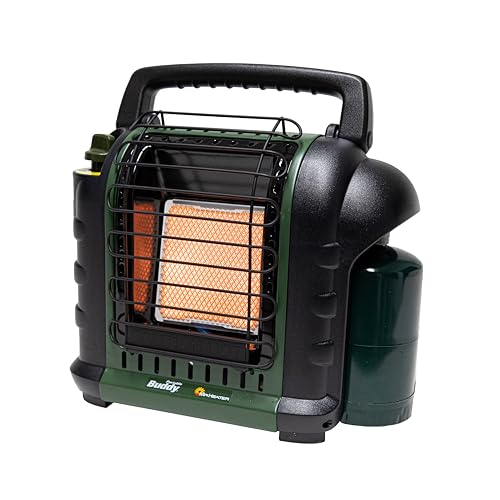
Best for A tent, camper shell, or small enclosed camping setup
- Oxygen depletion sensor and low-oxygen auto shutoff
- 4,000–9,000 BTU adjustable output
- Runs on a 1 lb cylinder or hose to a 20 lb tank
Why buy it: The standard Buddy heater is the single most-recommended tent-safe heater, which puts it on nearly every early-season camping gear list.

Best for A one- or two-person tent, or a hammock camping setup
- 3,800 BTU output
- Indoor-safe with oxygen depletion sensor
- Runs on a single 1 lb cylinder
Why buy it: Its small size and low weight make it a common first heater purchase for solo backpackers and minimalist campers ahead of shoulder-season trips.

Best for A hunting blind or ground camp where a camo finish matters
- 12,000 BTU output
- Camo housing
- Indoor-safe with oxygen depletion sensor
Why buy it: This model consistently draws early-season interest from hunters gearing up well before opening day.

Best for Campers who want one heater that works at the campsite and at home
- 11,000 BTU output
- Indoor and outdoor rated depending on configuration
- Portable, low-profile design
Why buy it: Its dual indoor/outdoor rating makes it a popular pick for campers who want one heater to cover both a tent trip and a patio at home.

Best for A budget-conscious camper who still wants a certified indoor-safe model
- 10,000 BTU output
- Compact, grab-and-go design
- Indoor-safe with oxygen depletion sensor
Why buy it: A frequently recommended lower-cost alternative to the Buddy line for campers stocking up on gear before their first trip of the season.
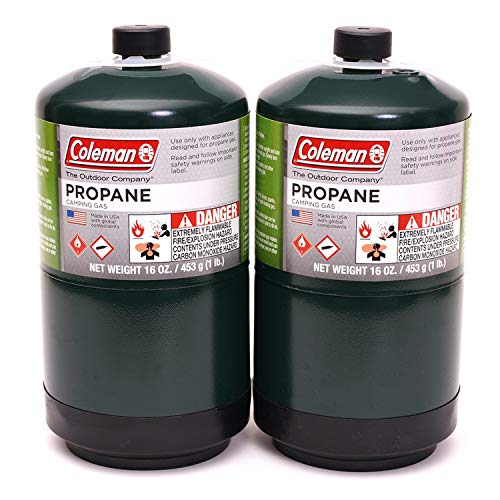
Best for Stocking up on small cylinders ahead of a camping season
- 16 oz steel cylinders
- Compatible with most portable camping heaters and stoves
- Sold as a 2-pack
Why buy it: Buying fuel cylinders ahead of the season, rather than one trip at a time, is a common early-shopping habit among frequent campers.
Only a Tent-Safe Heater Belongs Inside a Tent
An outdoor-only tank-top or forced-air heater is not a safe substitute for a certified indoor-safe model, no matter how good the price looks. Confirm a heater carries an oxygen depletion sensor before it goes anywhere near an enclosed tent, blind, or shanty. Our tent camping heater safety guide covers this in full.
Stock Up on Fuel While You’re At It
Small cylinders are easy to buy a few at a time right before a trip, but stocking up ahead of the season in one order often works out more convenient than a last-minute run before every outing. Just check expiration and storage guidance for any cylinders you are not using right away.
Comparing Prices Beyond One Retailer
Outdoor retailers, sporting goods chains, and general marketplaces all compete for camping gear sales heading into spring. A specific heater model is not always priced the same everywhere, and checking two or three retailers before buying can turn up a better price on the exact same item, especially for widely stocked brands like Mr. Heater and Dyna-Glo.
Reading the Full Listing, Not Just the Price
A low price on the wrong heater is not a good deal. Check whether a model is actually rated for tent or enclosed-space use before assuming a compact size means it is safe indoors. Confirm what fuel connection it uses and whether a hose or adapter ships with it, since that changes what else you need to buy. Our camping-brand propane heater guide covers the full lineup by use case.
Why Popular Camping Heaters Sell Out Early
The most-recommended tent-safe models tend to draw the heaviest demand as camping season approaches, and a specific size can sell out weeks before your actual trip if you wait too long. Buying a known, well-reviewed model earlier is usually a safer bet than waiting for a deeper markdown on something you are not fully sure will work for your setup.
Test Any New Heater Before Your First Trip
Light a newly bought heater once at home in a well-ventilated space before relying on it at a campsite. This catches an ignition issue or a damaged part while a return window is still open, rather than in the field with no backup plan.
Checking Return Policies Before You Buy
Confirm the specific return window on any heater bought ahead of the season, especially if your first planned trip is still weeks or months out. A generous window matters more here than for a purchase you will use immediately.
Registering Your Purchase
Register any newly bought heater with the manufacturer and keep the order confirmation somewhere easy to find. A warranty claim moves faster with a documented purchase date, which is easy to lose track of by the time a heater actually sees its first trip months later.
Accessories Worth Grabbing at the Same Time
A hose and adapter for running off a larger tank, a carry case, and a portable carbon monoxide detector are all worth adding to an early-season order. See our best propane hose for portable heaters and carry case and storage guide for specific picks.
Bundle Kits vs. Buying Pieces Separately
A heater sold bundled with a carry case or a small fuel starter pack can be a genuine convenience if you need those exact pieces anyway. Compare the bundle’s total against buying the heater and accessories separately before assuming it is automatically the better deal, since some bundles pad the price with an accessory you would not otherwise choose.
Shopping With a Group or Family
Campers heading out with a family or a group sometimes need more than one heater, or a larger-output model than a solo backpacker would choose. Buy for the actual group size and trip length rather than defaulting to whatever single model shows up first in a search, since a heater sized for one person rarely keeps a larger tent comfortable through a cold night.
The Bottom Line
Shopping for camping heater gear before the season starts gives you the full lineup, time to test everything, and a better shot at a genuine markdown than waiting until the week before your first trip. Confirm indoor-safe certification before anything goes near a tent, and check price history before trusting any "was" price.