
Affiliate disclosure: some links are affiliate links — as an Amazon Associate we earn from qualifying purchases, at no extra cost to you. Full disclosure.
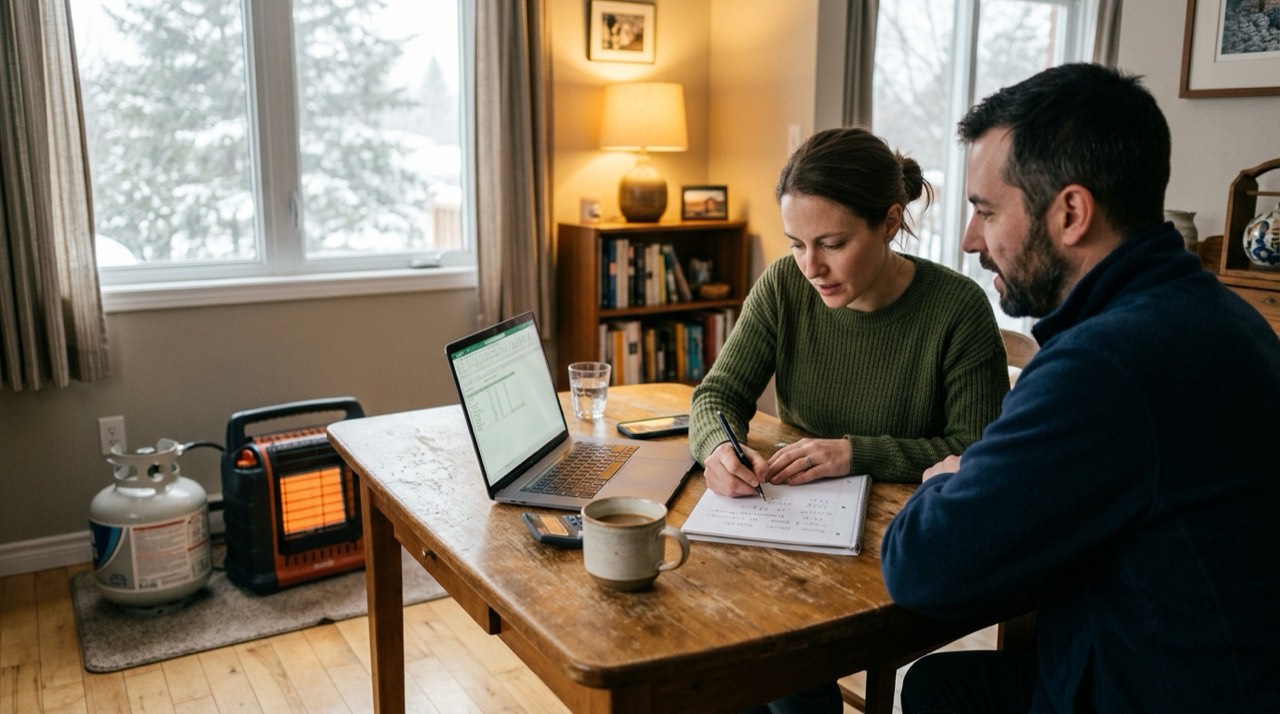
Yes — but only if the specific heater is built and labeled for indoor use. Most propane heaters sold in the US are not. The two categories look similar on a store shelf, so the label matters more than the size, price, or brand.
What Separates an Indoor-Safe Heater From the Rest
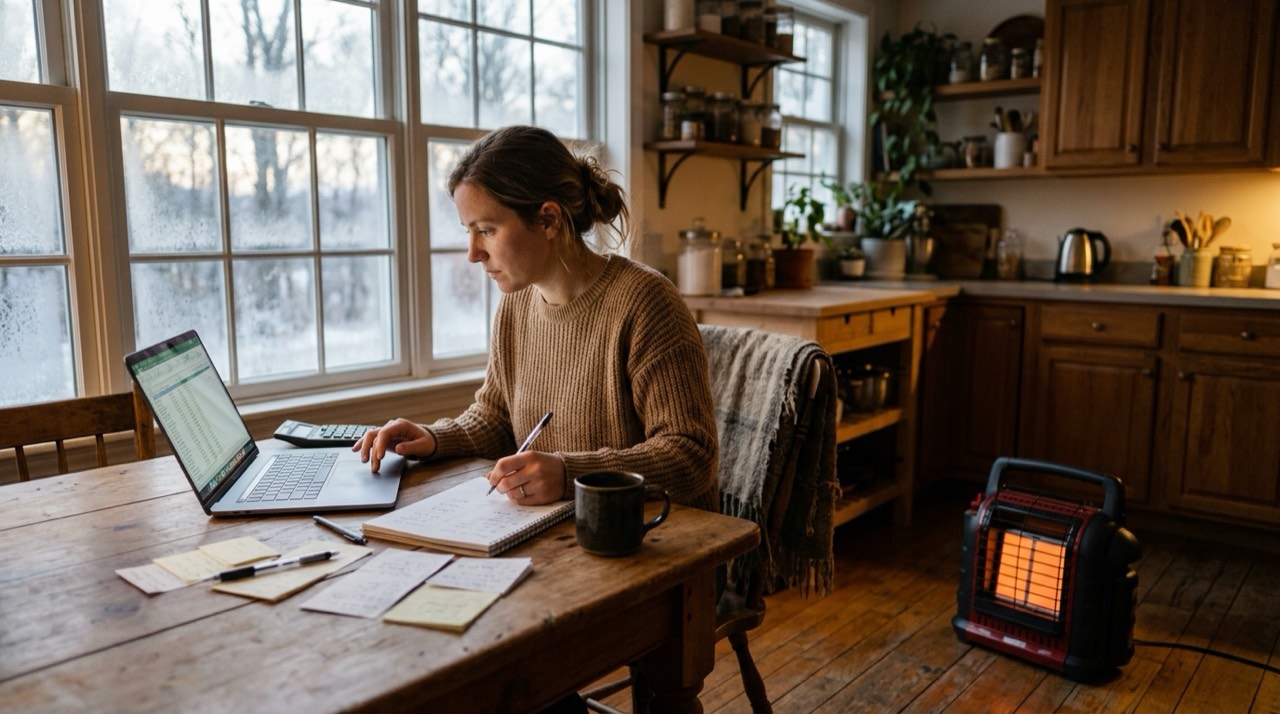
An indoor-safe propane heater has a built-in oxygen depletion sensor (ODS). This is a pilot-mounted sensor. It reads the oxygen level in the room and shuts the gas valve automatically if oxygen drops toward an unsafe level, well before carbon monoxide can build up. It’s tested and certified at the individual model level, not the brand level. A manufacturer can sell one indoor-safe model and one outdoor-only model side by side, sometimes with a similar name. Our deeper explainer on what makes a heater indoor-safe covers the certification standard and exact numbers behind that sensor.
How to Check a Specific Model Before Buying
Read the manual, not the retail title. Look for the words "for indoor use," "vent-free," or "unvented," sitting next to a mention of an oxygen depletion sensor. If none of that appears, treat the heater as unsafe for a closed room. Same goes if the manual says "outdoor use only" or "well-ventilated area only," regardless of how the listing photo is styled. "Portable" is not the same claim as "indoor-safe." Plenty of portable heaters are built strictly for job sites and patios.
Which Heaters Are Typically Indoor-Safe
Radiant heaters built around an ODS are the most common indoor-safe category. The Mr. Heater Buddy lineup is the best-known example. Permanent vent-free wall and cabinet units at higher BTU tiers fall into this group too. See our best indoor propane heaters roundup for models that meet this standard, ranked from aggregated owner reviews.
Which Heaters Are Not
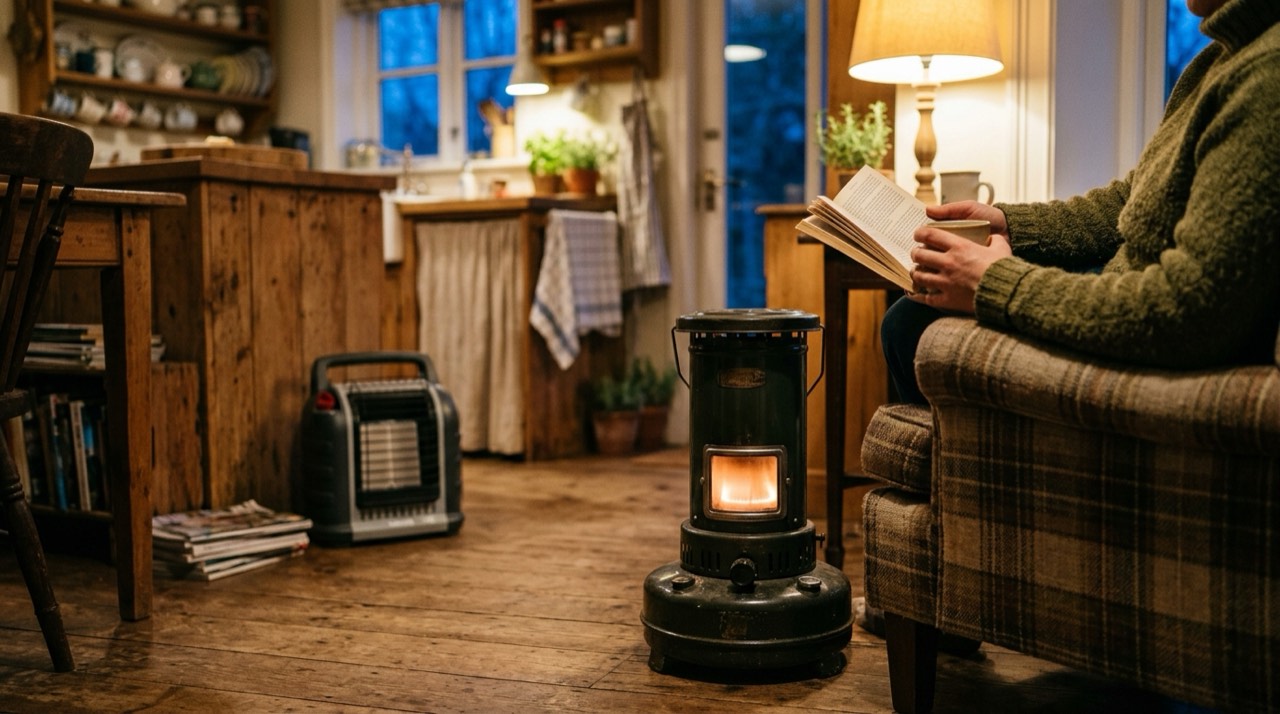
Forced-air construction heaters have no ODS at all. They’re built for open job sites with active ventilation. Tank-top radiant heaters and standing patio heaters are outdoor-only for the same reason: an open-flame design with no oxygen safety shutoff. Neither category becomes safer indoors just because a window is cracked open. Ventilation reduces risk on an already indoor-rated heater. It doesn’t substitute for the sensor a heater was never built with.
Indoor-Safe Doesn’t Mean No Precautions
Even a genuinely indoor-safe heater still needs the ventilation and clearance the manual specifies. It’s a supplement to a working carbon monoxide detector, not a replacement for one. Most indoor-safe portable heaters also aren’t rated for unattended or overnight use, even with an ODS. Check the manual before assuming otherwise. Our indoor safety and carbon monoxide guide covers the full precaution list.
The Bottom Line
A propane heater is safe for indoor use when it’s specifically built, tested, and labeled that way — never by default, and never based on size or brand reputation alone. Confirm the ODS and the indoor rating in the manual before you rely on any propane heater inside an enclosed room.