
Affiliate disclosure: some links are affiliate links — as an Amazon Associate we earn from qualifying purchases, at no extra cost to you. Full disclosure.
If you’ve searched anything close to "propane heater odor sensor," you’re probably picturing a device that smells something dangerous and shuts the heater off. That’s a reasonable guess, and it’s close in spirit, but it’s not mechanically what happens. The actual safety feature is called an oxygen depletion sensor (ODS), and it doesn’t detect odor or carbon monoxide directly — it measures oxygen levels in the surrounding air and reacts before a dangerous situation develops. Understanding the real mechanism matters, because it explains both why the ODS is effective and where its limits are.

Top 3 Recommended
How an Oxygen Depletion Sensor Actually Works
The ODS is a small sensor built into the heater’s pilot assembly, positioned right at the pilot flame. As oxygen in the room decreases — which happens naturally as any combustion appliance burns fuel in an enclosed space — the pilot flame’s characteristics change in a measurable, physical way before oxygen drops to a genuinely dangerous level. The sensor detects that change and triggers a valve that cuts fuel to the burner, shutting the heater down automatically. It’s a mechanical, thermocouple-based safety system, not an electronic smell detector, and it doesn’t need batteries or a power source separate from the heater itself. That’s part of why it’s reliable enough to be standard equipment on every certified indoor-safe propane heater rather than an optional add-on.
Why People Call It a "Smell" or "Odor" Sensor
The confusion is understandable. Propane itself has an added odorant (the "rotten egg" smell you associate with a gas leak), and a lot of consumer safety messaging around gas appliances centers on smell — "if you smell gas, leave the area." People searching for how an indoor propane heater protects them naturally reach for the word "odor" because that’s the vocabulary most gas-safety guidance uses. But the ODS specifically is an oxygen-level mechanism, not a smell detector. A separate device — a carbon monoxide detector — is the one that actually senses a dangerous gas byproduct, and it works on an entirely different sensing principle (electrochemical or biomimetic sensors that detect CO molecules directly, not oxygen levels or odor).
What the ODS Protects Against, Specifically
The ODS exists because ventless (vent-free) propane heaters release their combustion byproducts directly into the room rather than through an exhaust vent. In a sealed or poorly ventilated space, oxygen can gradually drop as the heater consumes it to burn fuel, and if oxygen drops far enough, combustion becomes incomplete — which increases carbon monoxide production at exactly the moment the room has the least fresh air to dilute it. The ODS is designed to shut the heater off well before that scenario develops, cutting the chain of events off at the oxygen-depletion stage rather than waiting for CO to actually build up. That’s the specific, narrow thing it protects against.
What the ODS Does Not Do
It’s worth being precise about the limits, because over-trusting a single safety feature is itself a risk. The ODS does not detect carbon monoxide directly — if CO were somehow produced or leaking through a mechanism unrelated to oxygen depletion (a cracked heat exchanger on a different type of appliance, for example), the ODS wouldn’t necessarily catch it. It does not replace basic ventilation — manufacturers still recommend cracking a window during extended use even on ODS-equipped heaters. And it does not detect a propane leak before ignition — that’s what the added odorant in propane and your own sense of smell are for, which is a separate safety layer entirely. This is exactly why every manufacturer and safety agency recommends pairing an ODS-equipped heater with a standalone carbon monoxide detector rather than treating the ODS as sufficient on its own.
Why Every Legitimate Indoor-Safe Heater Has One
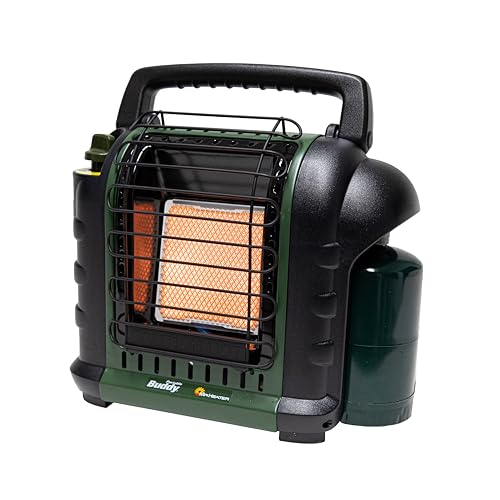
An ODS is not an optional upgrade tier on indoor propane heaters — it’s the specific engineering feature that makes a ventless heater legally and practically sellable for indoor use in the first place. A model like the Mr. Heater Buddy 4,000–9,000 BTU Indoor-Safe Heater lists its ODS explicitly in the spec sheet, and that’s the detail to look for on any heater you’re evaluating for indoor use, rather than assuming a heater is indoor-safe based on its size or how it’s marketed. If a listing doesn’t mention an ODS or explicit indoor-use rating, treat the heater as outdoor-only until you can confirm otherwise directly from the manufacturer.

Is an ODS the Same Thing as a Thermocouple Safety Shutoff?
These two terms sometimes get conflated, and they’re related but distinct. A standard thermocouple safety shutoff — found on many gas appliances, not just indoor propane heaters — cuts fuel if the pilot flame itself goes out, preventing raw unburned gas from continuing to flow. An ODS goes a step further: it monitors the ambient oxygen level via how it affects the pilot flame’s characteristics, and shuts the heater down proactively before oxygen becomes unsafe, even while the pilot is still lit and burning normally. Most indoor-safe propane heaters include both mechanisms as separate, complementary safety layers rather than one substituting for the other.
What It Feels Like When the ODS Triggers
Owners occasionally report a heater "shutting off on its own" and assume something is broken. In a room with borderline ventilation, the ODS doing exactly what it’s designed to do is one of the more common explanations — along with the tip-over safety switch triggering on an uneven surface, or the fuel simply running low. None of these indicate a defective heater. If your heater shuts off repeatedly in the same room, the more useful response is to improve ventilation (crack a window or door slightly) rather than to assume the unit itself needs repair. Our troubleshooting guide walks through how to tell these scenarios apart.
Testing and Maintaining the ODS
The ODS is a mechanical part of the pilot assembly, and manufacturers recommend a visual check before the first use of each heating season — looking for a healthy blue pilot flame rather than yellow or orange, which can indicate the assembly needs cleaning or service. Because the ODS is integral to the pilot mechanism rather than a separate replaceable module on most consumer models, a malfunctioning ODS on an otherwise-working heater is a reason to have the unit serviced or replaced rather than to bypass the safety feature — disabling or removing an ODS to keep an older heater running is exactly the kind of shortcut that defeats the entire safety design of the appliance.
How Manufacturers Test and Certify an ODS
Before a propane heater can be marketed as indoor-safe, its ODS undergoes standardized testing against recognized safety standards for unvented gas-fired heaters. This isn’t a self-certification a manufacturer signs off on internally — it typically involves independent testing labs verifying that the sensor triggers within the specified oxygen-level range and that the resulting shutoff happens reliably across repeated cycles, not just once in a lab demonstration. That’s part of why the ODS has such a strong track record as a safety feature across decades of use in this product category: it’s been independently validated at the design level, not just advertised.
Pair It With a Real Carbon Monoxide Detector
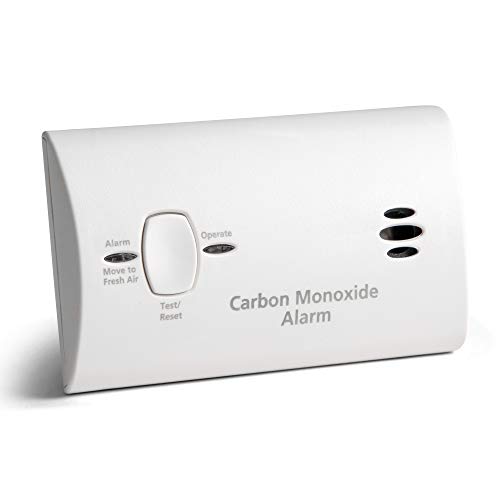
Because the ODS specifically addresses oxygen depletion and not carbon monoxide directly, a standalone battery-backed CO detector remains the recommended backstop for any indoor propane heater, ODS-equipped or not. A model like the Kidde Carbon Monoxide Detector runs independently of the heater and doesn’t rely on the ODS functioning correctly to alert you.