

Affiliate disclosure: some links are affiliate links — as an Amazon Associate we earn from qualifying purchases, at no extra cost to you. Full disclosure.
Almost every forced-air propane heater needs electricity for one part of the system: the ignition and the fan. The question is where that electricity comes from, and that answer changes what else you need to bring to the job.
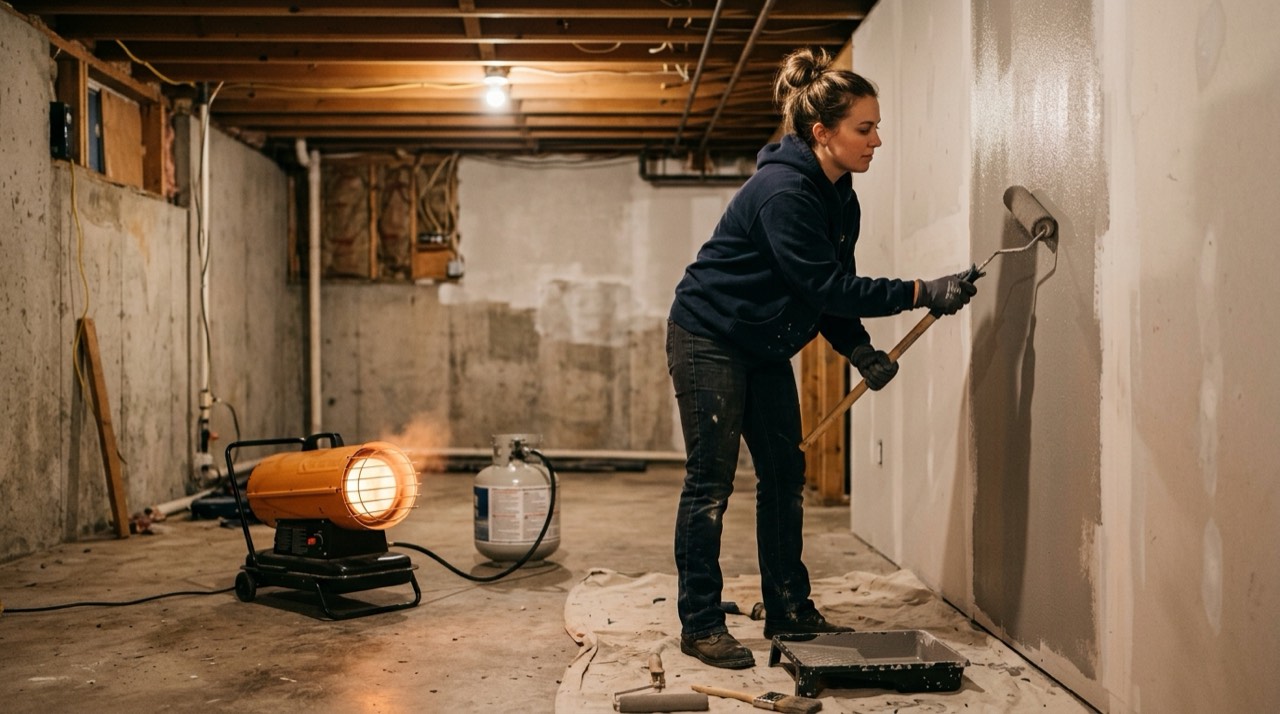
Top 3 Recommended
Why Forced-Air Heaters Need Power at All
A forced-air heater lights with continuous electronic ignition. It does not use a standing pilot flame. It also runs a fan the entire time it is on. Both parts need electricity to work. A radiant Buddy-style heater skips all of this. It uses a simple piezo spark igniter instead. That is one reason radiant heaters are fully self-contained, while forced-air heaters are not.
Corded Forced-Air Heaters
A corded heater, like the DEWALT 68,000 BTU Forced Air Heater, plugs into a standard outlet or a generator. This is the most common setup on the market. It works fine anywhere power is already available. The catch is obvious: no outlet, no generator, no heat. On an established job site or in a home garage, that is rarely a real problem. Most homes and finished job sites already have a nearby outlet within extension-cord reach.
Battery-Hybrid Forced-Air Heaters
A battery-hybrid heater, like the Reddy Heater 60,000 BTU Battery Hybrid, runs its ignition and fan off a battery pack instead of a cord. This solves a problem a corded heater simply cannot: a new construction site, a remote job site, or any space with no power yet. Some models can also run corded when power is available. That gives a crew flexibility either way, without buying two separate heaters for two different job conditions.
How the Two Ignition Systems Actually Differ
A corded heater draws continuous power from the wall or a generator the whole time it runs. There is no battery to manage, no charge level to check, and no risk of the heater shutting off mid-shift because a battery died. A battery-hybrid heater trades that simplicity for independence from a power source. The battery only needs to power the spark igniter and the fan motor, not the heat itself, since the heat comes from burning propane either way. This is why battery-hybrid models can run for many hours on a single charge rather than draining fast like a heater that generates heat electrically.
Which One Actually Fits Your Situation
If your garage, workshop, or job site already has reliable power, a corded heater is simpler and usually less expensive. If you are heating a new-construction site before the electrical is roughed in, or a remote structure with no power line at all, a battery-hybrid model is the only practical choice. Check this before buying rather than discovering it on site, since a corded heater with no outlet nearby is dead weight.
Battery Life and Runtime
Battery-hybrid ignition systems are built to sip power rather than draw it constantly, since the battery mainly powers the ignition spark and the fan motor. Runtime depends on the specific model and battery size, so check the manufacturer’s stated runtime before assuming a single charge covers a full work day. Carrying a spare battery is common practice among contractors who rely on these heaters regularly.
Do Battery-Hybrid Heaters Cost More?
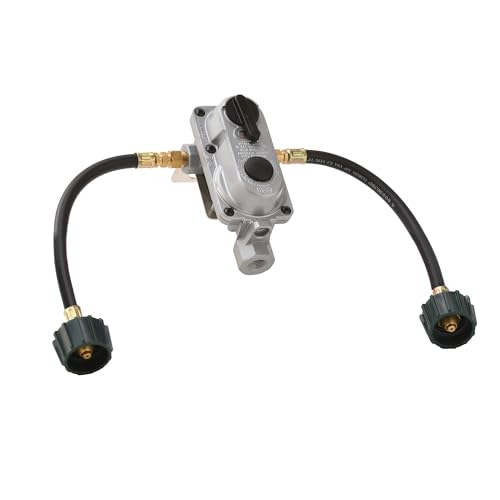


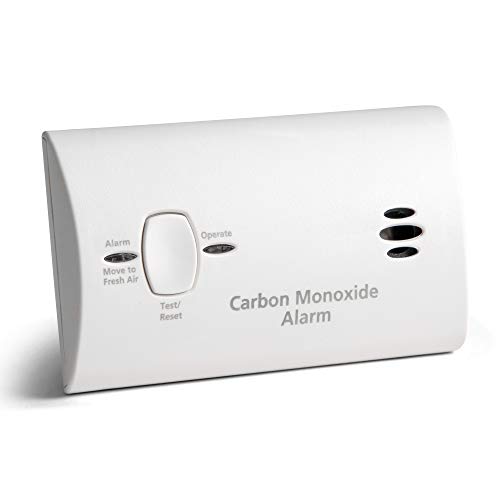
Generally, yes. The added battery hardware and hybrid ignition system usually push the price above an equivalent corded-only model at the same BTU rating. For most buyers with reliable site power, that extra cost is not worth paying. For anyone regularly working sites without power, it pays for itself the first time it saves a trip back for a generator.
What a Generator Trip Actually Costs You
It is easy to underestimate what "just bring a generator" really costs on a job site. A generator big enough to run a corded forced-air heater is not cheap to buy or rent. It needs its own fuel. It needs its own maintenance. It also takes up space on a crowded site. On top of that, it is one more piece of equipment that can fail, run out of gas, or get left behind on a busy morning. A battery-hybrid heater skips all of that. It only has one job: light and run the heater.
Which Contractors Actually Choose Battery-Hybrid
In practice, the choice tracks closely with the type of work. Framing crews and remodelers working inside finished structures with power already run corded heaters almost exclusively, since a nearby outlet is a given. Site prep crews, foundation crews, and anyone working before the electrical rough-in is done lean toward battery-hybrid models instead. New-construction contractors who work the same early-stage phase repeatedly are the group most likely to standardize on battery-hybrid heaters across their whole equipment fleet, rather than buying one as a special case.
Can You Run Either Type on a Generator?
Yes. A corded heater’s modest power draw for its ignition and fan sits well within the capacity of most portable generators. A battery-hybrid heater does not need a generator at all for its core ignition system, though some models can also plug in when a generator or outlet is available. Check the specific heater’s power draw against your generator’s rated output before assuming compatibility, especially for larger 100,000+ BTU models with bigger fan motors.
What Contractors Report
Contractors who regularly work new-construction sites consistently mention battery-hybrid heaters as the heater that solved a real, recurring problem, not just a nice-to-have feature. Contractors working established sites or home garages with power already in place report no real advantage from paying more for battery capability they will not use. Match the heater to your actual site conditions rather than defaulting to the newer, more expensive option.
Checking Compatibility With Tool Batteries
Some cordless-adjacent forced-air heaters, including certain DEWALT configurations, are built to share a battery platform with the brand’s power tools. If your crew already carries DEWALT batteries and chargers for drills and saws, this can be a genuine convenience, not just a marketing detail. Confirm the specific battery type and voltage before assuming compatibility, since not every model in a brand’s lineup shares the same battery system across the board.
A Simple Way to Decide
Ask one question first: does this space already have power? If yes, buy corded and save the money. If no, or if you move between sites at different construction stages, a battery-hybrid model removes a real point of failure. There is no single correct answer here. The right choice depends on the conditions your heater actually has to work in, job after job.
Buying One of Each for a Mixed Fleet
Contractors who run heaters across several jobs at once often end up owning both types rather than picking one. A corded heater goes to the finished garage or the shop with power already run. A battery-hybrid unit goes out with the crew breaking ground on a new site. This mixed approach costs more upfront than standardizing on one type, but it means the right heater is always available for the job at hand instead of forcing a workaround.
Related Reading
For sizing a forced-air heater to your specific garage, see our forced-air garage setup guide. For fuel planning at high BTU output, see our fuel consumption guide.