
Affiliate disclosure: some links are affiliate links — as an Amazon Associate we earn from qualifying purchases, at no extra cost to you. Full disclosure.
Radiant heat suits any situation where you need to warm specific people or a specific spot rather than an entire volume of air. Here’s where that advantage actually shows up in practice, and where it doesn’t.

Top 3 Recommended
Hunting Blinds and Ice Shanties
These are close to the ideal use case for radiant heat: a small, often drafty enclosed space where you’re sitting still and want warmth aimed directly at you rather than circulated through the whole structure. A model like the Mr. Heater 12,000 BTU Hunting Buddy is specifically built for and marketed toward this scenario, with a camo finish that’s a genuine functional consideration for hunters rather than a purely cosmetic one.
Tents and Camping
A tent is another near-ideal radiant use case — a confined space, often with imperfect sealing against drafts, where warming the people inside directly matters more than raising the tent’s overall air temperature. The standard Mr. Heater 9,000 BTU Buddy is the reference point here, and camping-specific reviews consistently mention how quickly it produces noticeable warmth compared with the alternative of just adding more layers.
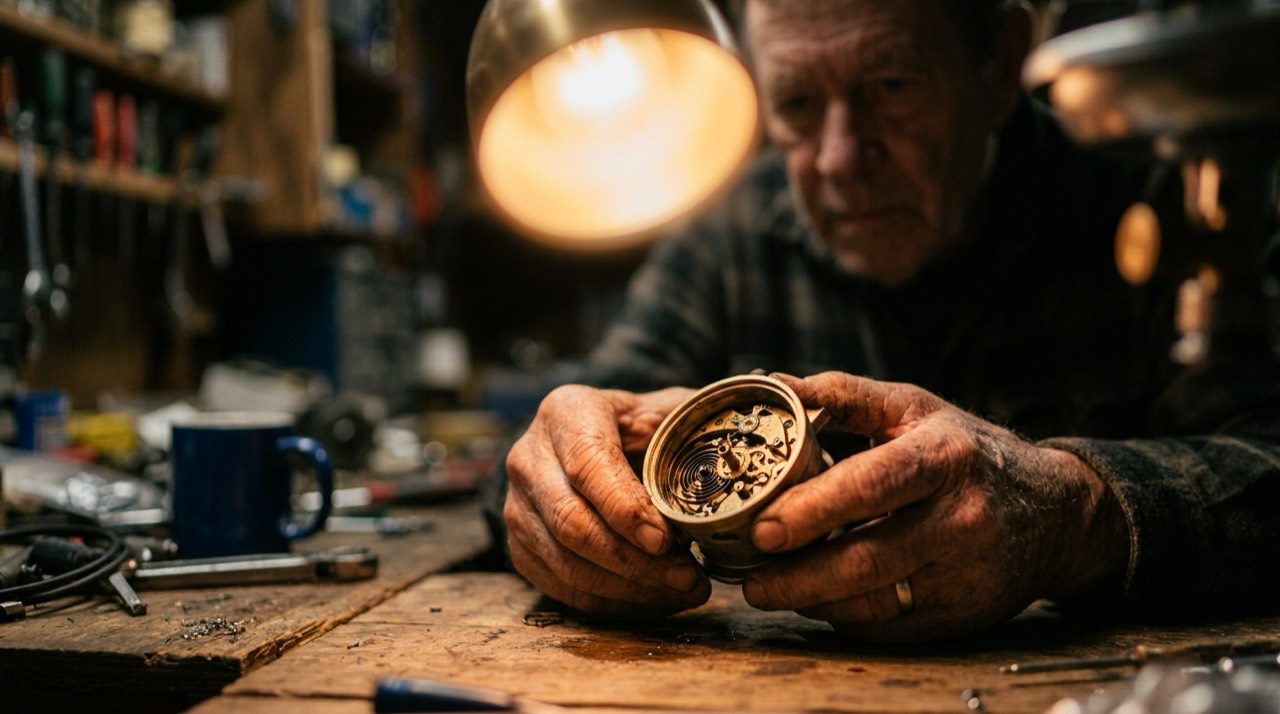
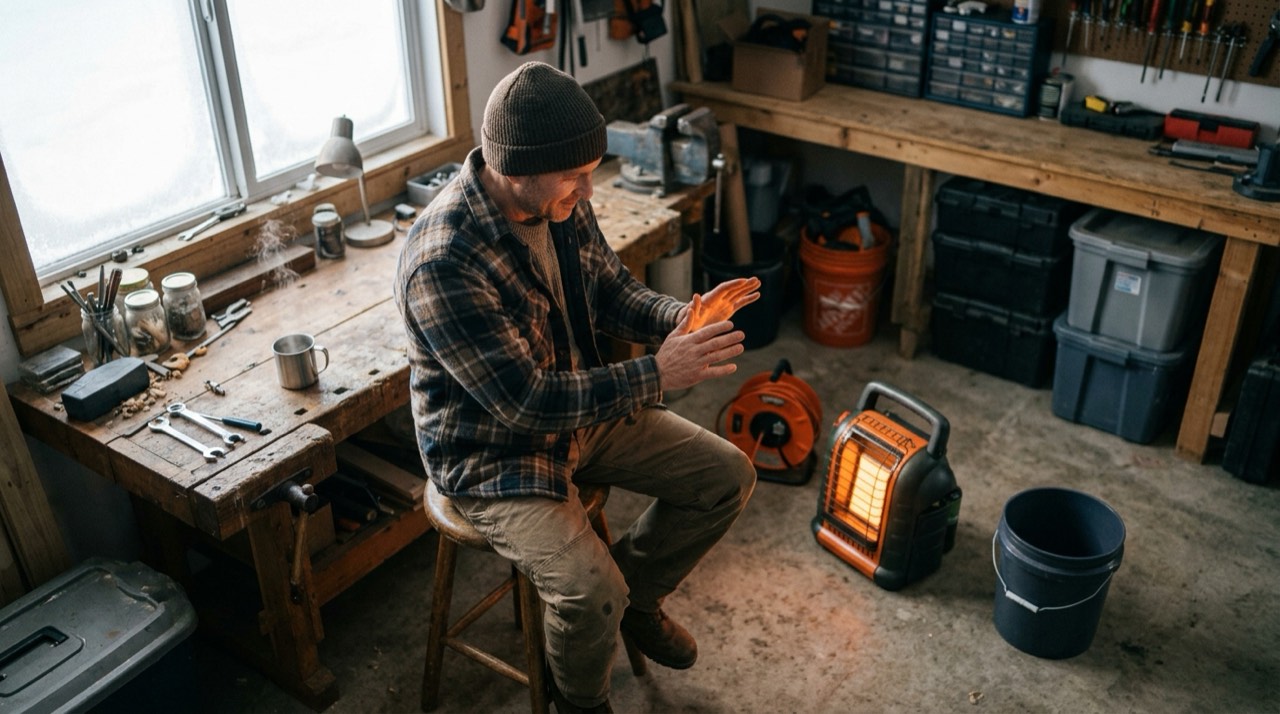
Workshops and Garage Bays
For a workshop where you’re standing or working in roughly the same spot for a while, radiant heat aimed at your workspace is often more practical than trying to heat the whole garage’s air volume, especially if the garage door gets opened periodically and lets warmed air escape. This is a partial exception to the "radiant underperforms in large enclosed spaces" rule — for a single-car garage or a defined work area within a larger uninsulated space, radiant heat targeting the actual work zone can outperform trying to heat the whole volume with a forced-air unit.
Patios and Outdoor Seating
Outdoor seating areas are a classic radiant use case, since wind and open air make forced-air heating impractical. Tank-top and standing radiant heaters dominate this category for exactly this reason — see our outdoor patio heater guide for the specific products suited to this use.
RVs and Van Life
Radiant and catalytic heaters both suit RV and van-life use, where space is confined and people are often sitting or sleeping close to the heater. Catalytic models specifically add the benefit of silent operation, which matters more in a small, shared sleeping space than in a garage or tent. Our RV and off-grid heater guide covers this use case in depth.
Emergency Power-Outage Backup
A portable radiant heater kept for power-outage backup is a common and sensible use case, since it needs no electricity and can be stored compactly for months at a time. Owners who keep one specifically for this purpose consistently mention testing it briefly once or twice a year rather than leaving it completely untouched, so they know it still lights and the safety shutoffs still work when actually needed.
Where Radiant Heat Is the Wrong Choice
A large, enclosed, uninsulated space like a two-car garage or an active construction site is the clearest case where a forced-air heater outperforms radiant heat, since the goal there is raising the entire room’s ambient air temperature rather than targeting a specific spot. Trying to heat a genuinely large enclosed room with a radiant heater usually leaves people disappointed with the coverage, not because the heater is defective, but because that’s a fundamentally different job than what radiant heat is designed to do. See our forced-air and construction heater guide for that scenario.
Bedrooms and Sleeping Areas
Radiant heat can work for a bedroom, provided the specific model carries an oxygen depletion sensor and is genuinely rated for indoor use — see our indoor propane heater guide for the full sizing and safety picture. Catalytic heat is often the better choice specifically for a sleeping area, given its silent operation compared with a radiant burner’s occasional fan noise on larger models.
Tailgating and Outdoor Events
Tailgating shares a lot with camping as a radiant use case — an open-air setting where a group of people is standing or sitting close together for a few hours, and portability matters more than raw coverage area. A compact radiant heater that packs into a truck bed or trunk easily suits this use better than a full standing patio heater would, since setup speed and portability outweigh the modest coverage tradeoff for a short event.
Job Sites and Contractor Work Trailers
For a contractor working out of a trailer or a small enclosed job-site structure, a radiant heater aimed at a workbench or a specific tool station is often more practical than trying to heat the whole trailer’s air volume, especially if the door opens and closes frequently throughout the day. This mirrors the workshop use case above, but the frequent door-opening in a job-site context makes radiant heat’s insensitivity to draft an even bigger practical advantage.
Greenhouse and Small Structure Supplemental Heat
A small greenhouse or similarly lightweight structure sometimes uses a portable radiant heater as supplemental frost protection on cold nights, though this is a more specialized use case that requires careful attention to ventilation and the specific heater’s rating for that environment. Check both the structure’s own ventilation and the heater’s indoor-safe certification before relying on this setup, since a greenhouse’s humidity and enclosed nature raise different considerations than a garage or tent.
What Determines Whether a Use Case Suits Radiant Heat
Across all the scenarios above, the pattern is consistent: radiant heat suits situations where you’re targeting a person, a workspace or a small group rather than trying to raise an entire structure’s ambient temperature, and where the space is open, drafty or frequently accessed rather than sealed and stable. If your situation matches that pattern, radiant heat is very likely the right category, and the remaining decision is simply which specific model fits your BTU, portability and noise requirements.
Matching the Use Case to the Right Model
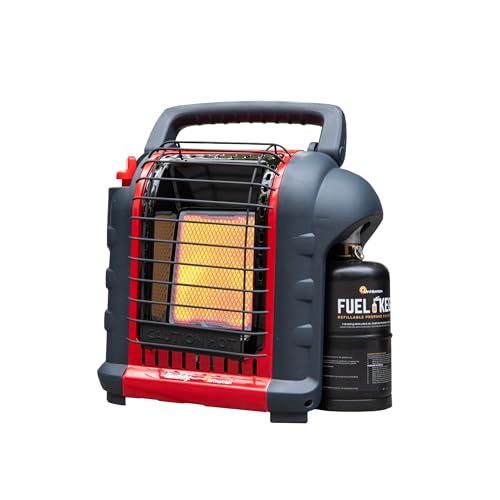
Within the radiant category itself, the right model still varies by use case: a compact Little Buddy for a tight ice shanty, a Hunting Buddy for a blind, a standard Buddy for general camping and garage use, and a catalytic Wave-series heater for RV and van-life quiet. Our ranked radiant propane heater roundup covers the specific product comparison across these use cases.

One Heater for Multiple Use Cases
Many owners end up using a single radiant heater across several of the scenarios above rather than buying one per use case — a standard Buddy heater that goes camping in summer, into the garage in winter, and gets pulled out for a power outage in between. This flexibility is one of the underrated advantages of the portable radiant category over a fixed installation, and it’s worth factoring into the buying decision if you expect to use the heater across more than one of these situations rather than just the one that prompted the purchase, since a heater that fits several use cases at once is often better value than several single-purpose units.